









Cob LED Displays vs. Traditional LED Displays: A Comprehensive Comparison
Jun 07,2026
Cob LED Displays vs. Traditional LED Displays: A Comprehensive Comparison
Table of Contents
- 1. Introduction to LED Display Technologies
- 2. What is a Cob LED Display?
- 3. What is a Traditional LED Display?
- 4. Key Differences Between Cob LED and Traditional LED Displays
- 5. Advantages of Cob LED Displays
- 6. Advantages of Traditional LED Displays
- 7. Applications of Cob and Traditional LED Displays
- 8. Cost Considerations: Cob vs. Traditional LED Displays
- 9. Future Trends in LED Display Technologies
- 10. Frequently Asked Questions
- 11. Conclusion
1. Introduction to LED Display Technologies
In the realm of visual technology, LED displays have revolutionized how we experience visual content. Two prominent types of LED displays are Cob LED displays and traditional LED displays. Each technology brings unique features to the table, catering to various applications and user preferences. In this article, we provide a comprehensive comparison of these two types of LED displays.
2. What is a Cob LED Display?
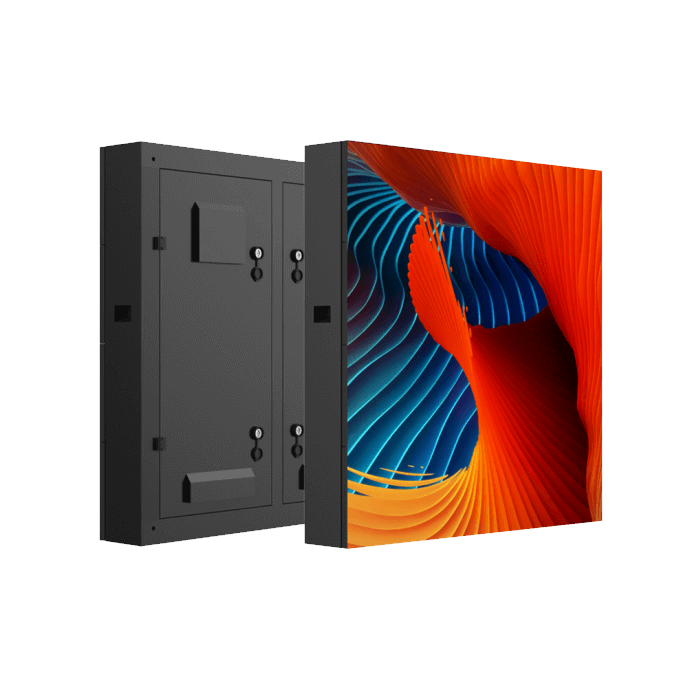
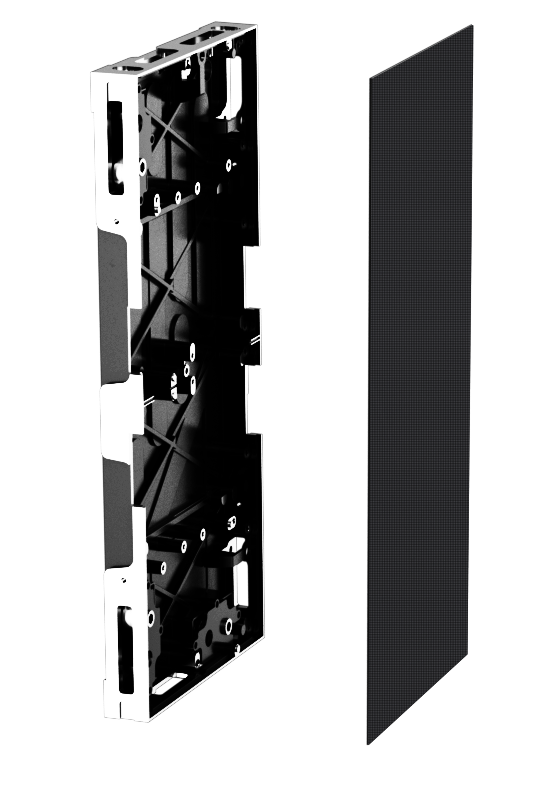
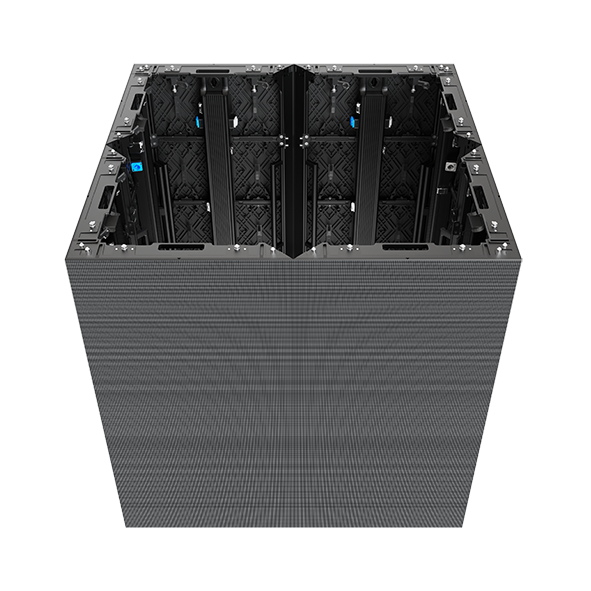
Cob (Chip on Board) LED displays are a cutting-edge technology that integrates multiple LED chips into a single module. This arrangement allows for a more compact design, improved brightness, and enhanced thermal performance. Cob technology excels in delivering high-quality images and vibrant colors, making it ideal for applications requiring visual clarity and impact.
2.1 Key Features of Cob LED Displays
Cob LED displays feature a high pixel density, meaning they can pack more LEDs into a smaller space. This results in sharper images and finer details, which is particularly beneficial for close-viewing applications like indoor advertising and stage displays. Additionally, Cob technology reduces light leakage and enhances color uniformity, ensuring a more consistent viewing experience.
3. What is a Traditional LED Display?
Traditional LED displays consist of individual LED diodes mounted on a circuit board. These displays can vary in size and pixel pitch, making them versatile for a range of applications. While traditional LED displays have been widely used for many years, they often exhibit limitations in brightness, energy efficiency, and pixel density compared to Cob LED displays.
3.1 Key Features of Traditional LED Displays
Traditional LED displays are known for their durability and long lifespan. They are generally easier to manufacture and can be produced in a variety of configurations. However, their larger pixel pitch may result in less sharp images when viewed from close distances, making them more suitable for outdoor applications or where viewing distance is less of a concern.
4. Key Differences Between Cob LED and Traditional LED Displays
When comparing Cob LED displays to traditional LED displays, several critical differences emerge:
4.1 Image Quality
Cob LED displays offer superior image quality due to their higher pixel density and reduced light leakage. Traditional LED displays, while effective, may not deliver the same level of detail, particularly at close ranges.
4.2 Brightness and Energy Efficiency
Cob LED technology is designed to be more energy-efficient, providing higher brightness levels without consuming excessive power. In contrast, traditional LED displays often require more energy to achieve similar brightness, impacting operational costs.
4.3 Size and Weight
Cob LED displays are typically more compact and lighter than traditional LED displays. This makes Cob technology easier to install and transport, especially in applications where space is limited.
5. Advantages of Cob LED Displays
Understanding the benefits of Cob LED displays can help businesses make informed decisions:
5.1 Enhanced Visual Performance
The ability to produce sharper images with vibrant colors makes Cob LED displays ideal for advertising and entertainment purposes. This enhanced visual performance can significantly improve audience engagement.
5.2 Longer Lifespan
Cob LED technology is engineered for longevity. With reduced thermal stress on the LEDs, users can expect a longer operational lifespan, leading to lower replacement costs over time.
5.3 Flexibility in Design
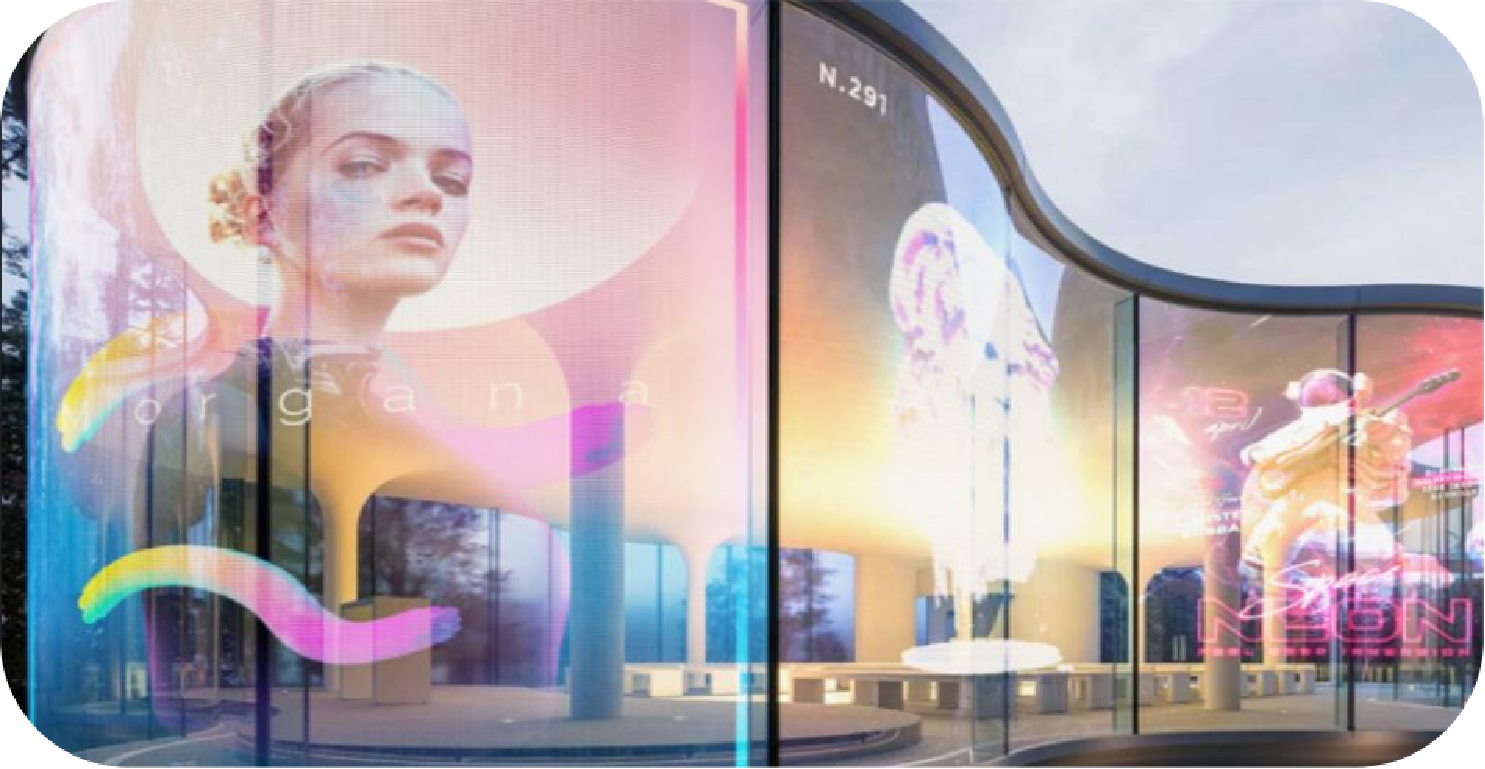
Cob LED displays can be designed in various shapes and sizes, allowing for greater creativity in installation. This flexibility opens up new possibilities for architects and designers.
6. Advantages of Traditional LED Displays
While Cob LED displays have many benefits, traditional LED displays also offer distinct advantages:
6.1 Cost-Effectiveness
Traditional LED displays are often more affordable to produce and purchase. This cost advantage makes them attractive for businesses with budget constraints or those requiring large installations.
6.2 Robustness
Traditional LED displays are known for their durability, making them suitable for outdoor environments where exposure to the elements is a concern. They can withstand harsh conditions, ensuring reliable performance.
6.3 Simplicity in Maintenance
With a more straightforward design and fewer components, traditional LED displays may require less specialized maintenance, making them easier to service.
7. Applications of Cob and Traditional LED Displays
Both Cob and traditional LED displays have distinct applications based on their strengths:
7.1 Cob LED Display Applications
- **Indoor signage:** Ideal for retail spaces and event venues where close viewing distances are common.
- **Concerts and events:** Used extensively in live performances for their vibrant visuals and impact.
- **Control rooms:** Employed in security and monitoring settings for clear image quality.
7.2 Traditional LED Display Applications
- **Outdoor advertising:** Suitable for billboards and large displays viewed from a distance.
- **Transportation hubs:** Implemented in airports and train stations for information displays due to their durability.
- **Stadiums and arenas:** Used for sports events, providing visibility for large crowds.
8. Cost Considerations: Cob vs. Traditional LED Displays
When deciding between Cob LED displays and traditional LED displays, cost is a significant factor:
8.1 Initial Investment
Cob LED displays typically come with a higher initial investment due to their advanced technology. However, the long-term savings on energy and maintenance can offset this cost.
8.2 Operational Costs
Traditional LED displays may have lower upfront costs, but their higher energy consumption and potential maintenance issues can lead to increased operational expenses over time.
9. Future Trends in LED Display Technologies
As technology evolves, so do LED displays. Some noteworthy trends include:
9.1 Advances in Integration
Future LED displays are likely to integrate with IoT and smart technologies, enhancing user interactivity and engagement.
9.2 Sustainability
The push for environmentally friendly solutions will drive innovations in LED technology, focusing on energy efficiency and recyclable materials.
9.3 Increased Customization
As manufacturing processes improve, we can expect more custom designs tailored to specific applications, offering users greater flexibility in display solutions.
10. Frequently Asked Questions
10.1 What is the main advantage of Cob LED displays over traditional LED displays?
Cob LED displays offer superior image quality and energy efficiency, making them ideal for applications requiring high visual performance.
10.2 Are Cob LED displays more expensive than traditional LED displays?
Yes, Cob LED displays typically have a higher initial cost, but their long-term savings on energy and maintenance can make them a better investment.
10.3 Can traditional LED displays be used in outdoor applications?
Yes, traditional LED displays are robust and durable, making them suitable for outdoor environments.
10.4 How do you determine which display technology is best for your needs?
Consider factors such as viewing distance, application type, budget, and desired visual performance to determine the best display technology for your needs.
10.5 What maintenance is required for Cob LED displays?
Cob LED displays generally require less maintenance than traditional displays due to their longer lifespan and integrated technology, but routine checks are still recommended.
11. Conclusion
In summary, both Cob LED displays and traditional LED displays come with their unique advantages and disadvantages. Cob LED technology stands out for its enhanced image quality, energy efficiency, and design flexibility, making it a modern choice for many applications. Traditional LED displays, while less advanced, offer cost-effective solutions with robust durability for outdoor use. Ultimately, the choice between these two technologies will depend on your specific needs, budget, and application requirements. Understanding these differences can help ensure that you select the best display solution for your visual communication needs, paving the way for effective engagement and impactful messaging.
Hot Tags:
Contact Us
Related Posts
LED Poster Displays vs. Traditional Signage: Which Is Right for You?
Customize LED Advertising Sign Factory: Flexible Solutions for Modern Businesses

Address:
Building D,Hongfa Technology Industrial Park, shiyan Town,baoan District,Shenzhen,China.


Message