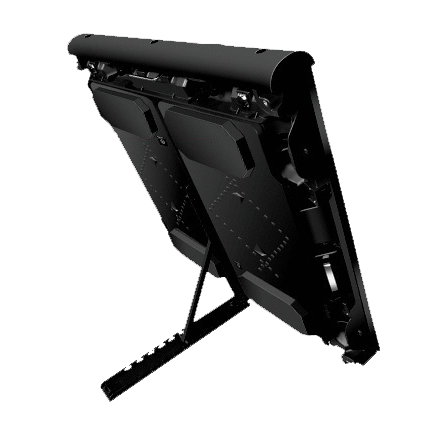
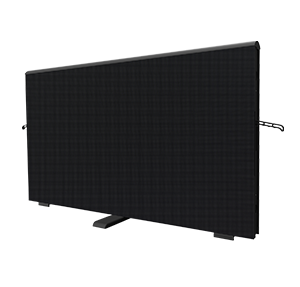
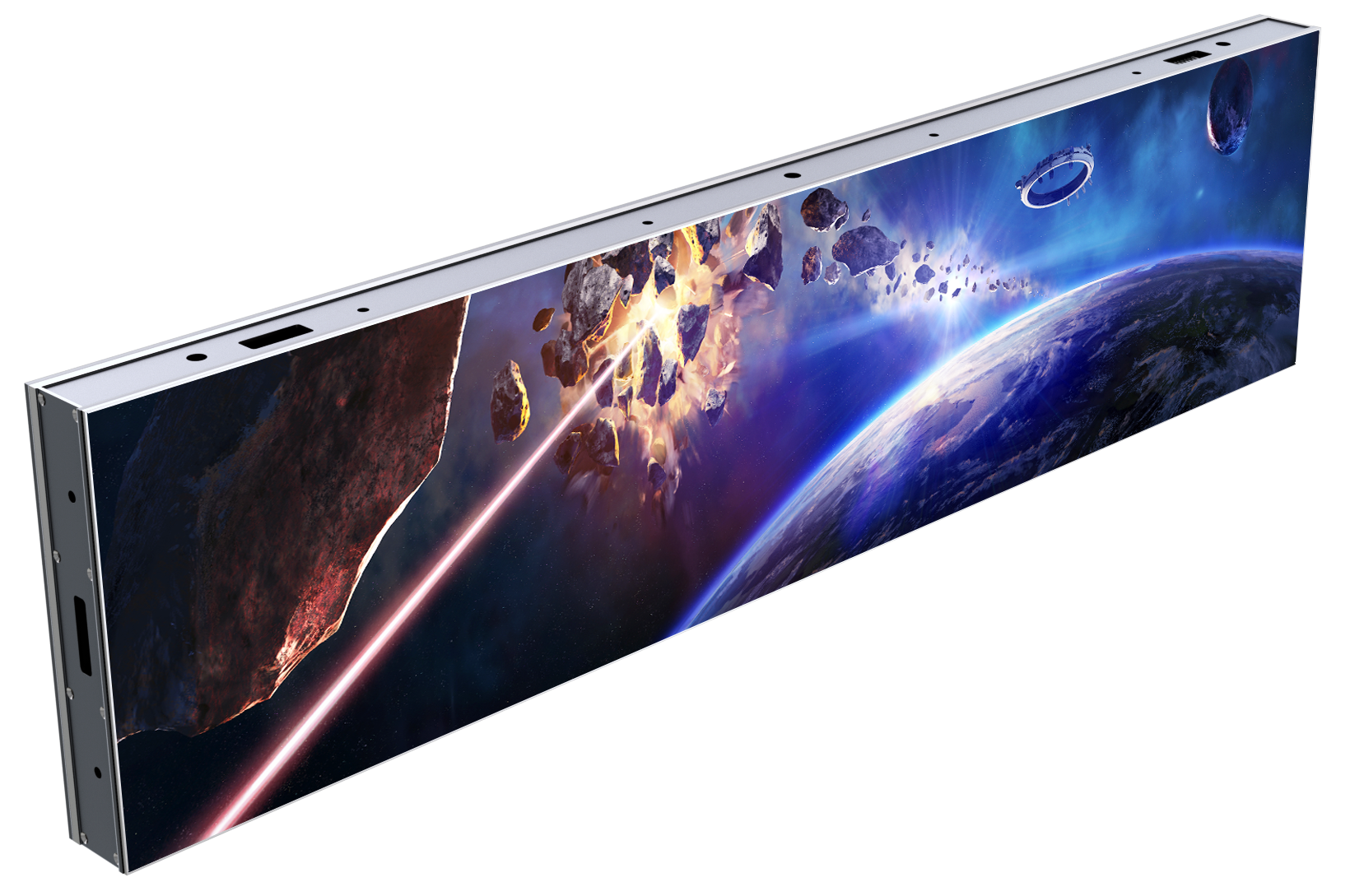
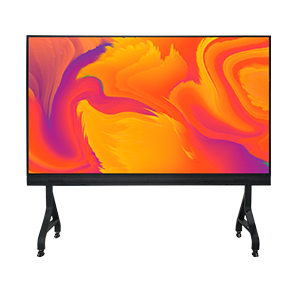
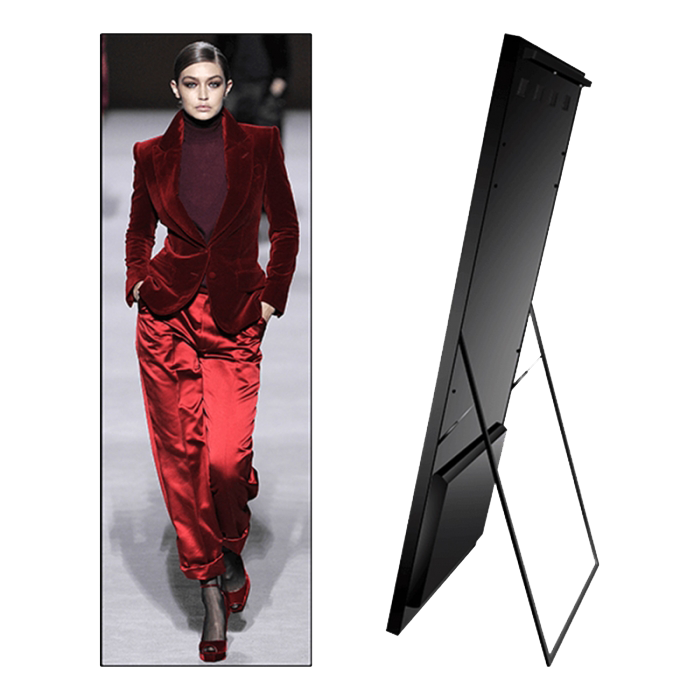
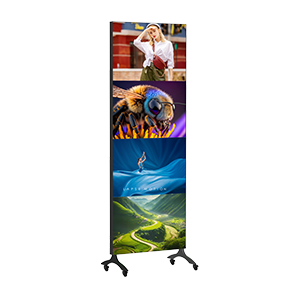
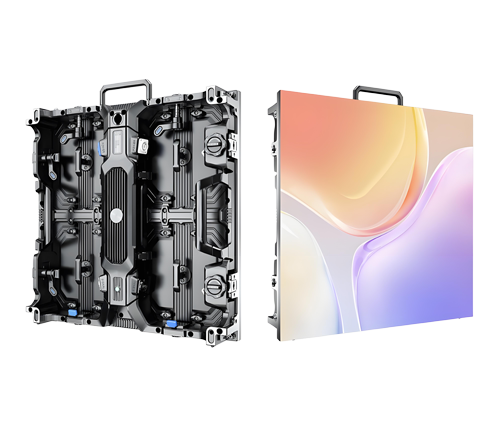
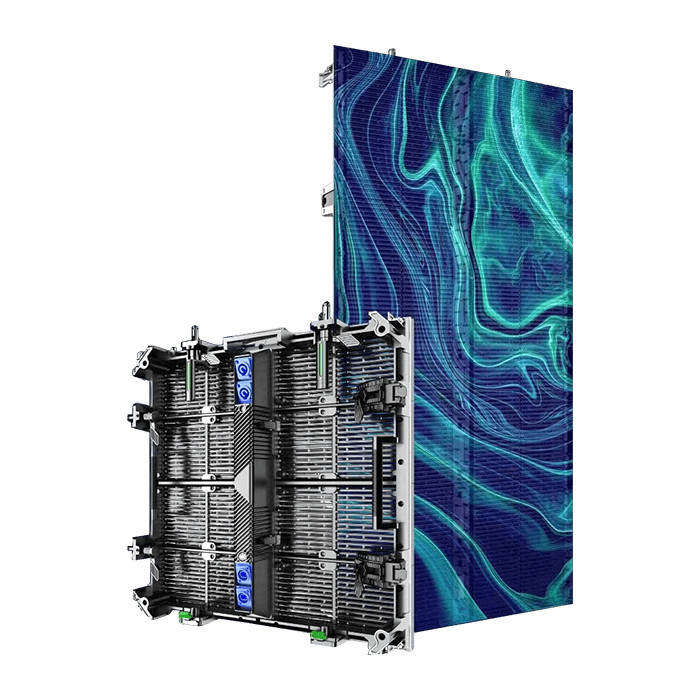
An LED Wall Display is a large-scale digital screen system created by assembling multiple LED display panels into a seamless visual surface. This advanced display technology is widely used in commercial advertising, concerts, exhibitions, conference centers, shopping malls, broadcasting studios, control rooms, and entertainment venues. By combining high brightness, vivid colors, and wide viewing angles, an LED Wall Display provides powerful visual communication that attracts attention and delivers clear information to large audiences. As digital media continues to evolve, LED wall displays have become a key component in modern visual presentation systems.
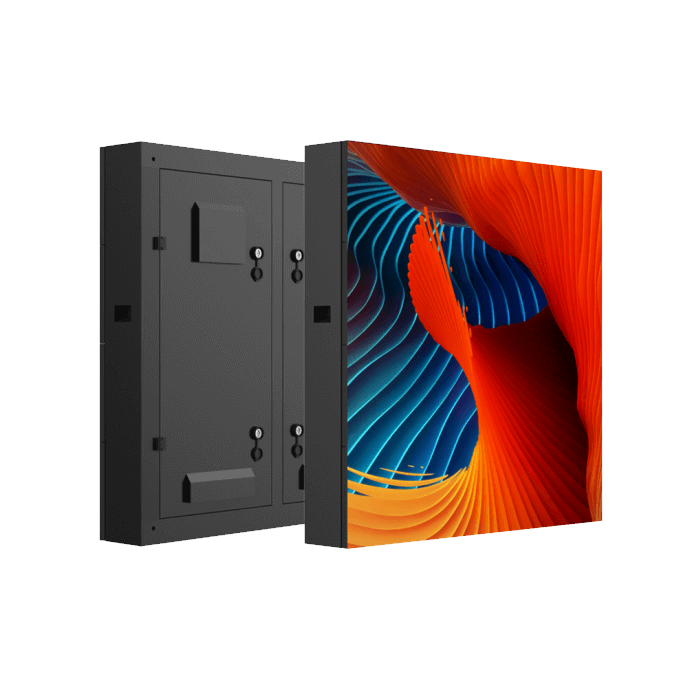
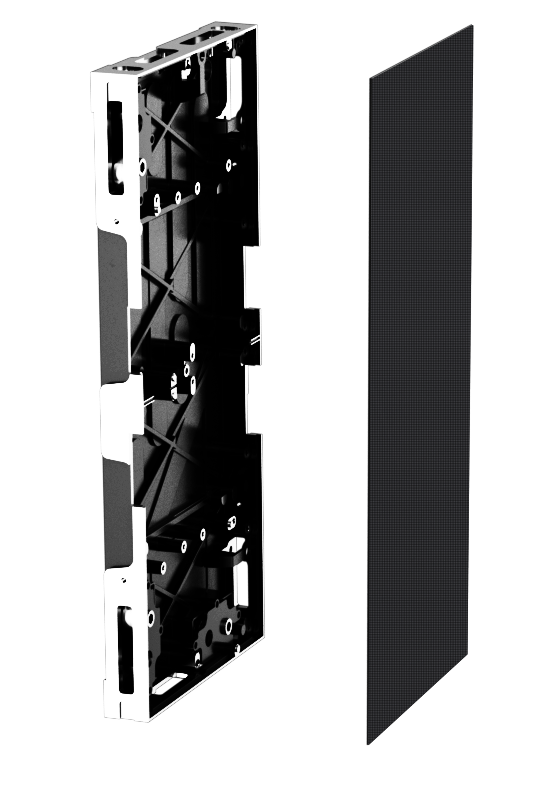
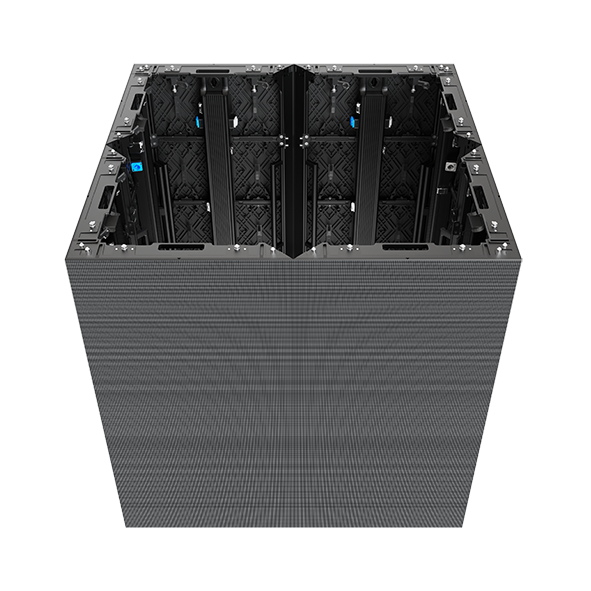
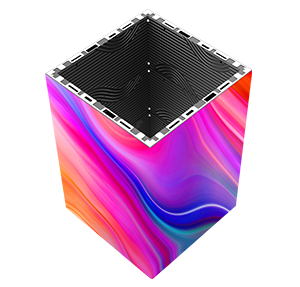
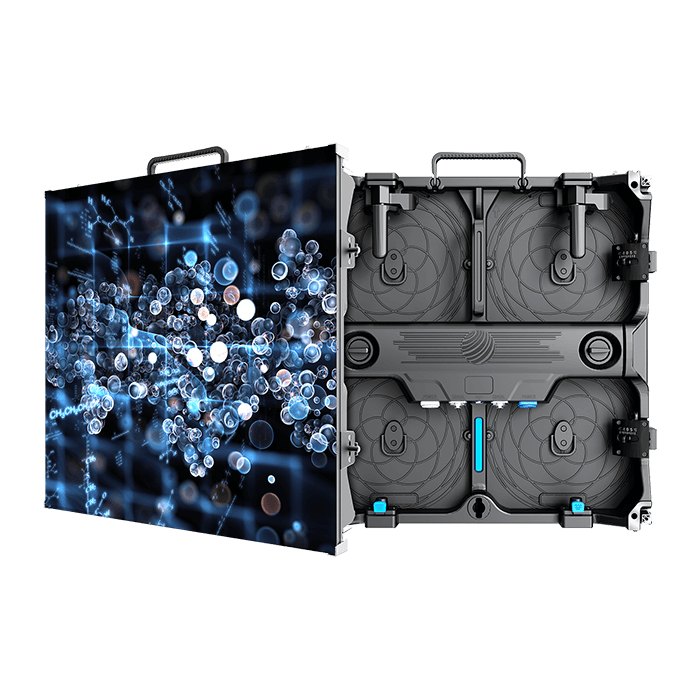
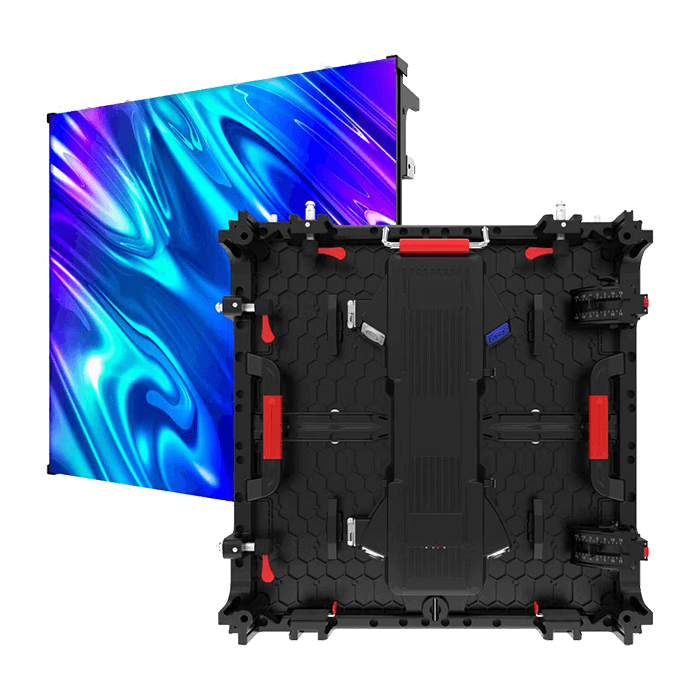
One of the primary advantages of an LED Wall Display is its seamless modular design. Each display panel contains numerous light-emitting diodes arranged in a precise grid, allowing panels to connect together without visible gaps. This modular structure enables the creation of screens in virtually any size or shape, from small indoor installations to massive outdoor video walls covering entire building facades. Businesses and event organizers can customize the size, resolution, and layout of the LED Wall Display to suit their specific needs, ensuring maximum visibility and visual impact.
High brightness and color performance are defining features of LED Wall Display technology. Unlike traditional projection systems or LCD displays, LED screens generate their own light, allowing them to produce extremely bright images with excellent contrast and vibrant color reproduction. This makes them ideal for both indoor and outdoor environments where ambient lighting conditions may vary. In outdoor advertising or stadium installations, LED wall displays maintain excellent visibility even under direct sunlight. For indoor environments such as conference rooms or exhibition halls, brightness levels can be adjusted to provide comfortable viewing without glare.
Another key benefit of an LED Wall Display is its wide viewing angle. Audiences positioned at different locations within a venue can still see clear and consistent images without distortion or color shifting. This capability is particularly important in large public spaces such as airports, shopping malls, or sports arenas where viewers may be spread across wide areas. High refresh rates and advanced image processing technologies also ensure smooth motion playback, preventing flickering or motion blur during video presentations, live broadcasts, or animated graphics.
Durability and reliability are essential characteristics of LED Wall Display systems. These displays are designed for long-term continuous operation, often running for many hours each day. High-quality LED modules are built with robust materials and protective coatings to resist dust, moisture, and temperature fluctuations. Outdoor models typically feature waterproof and weather-resistant cabinet designs, ensuring stable performance even in harsh environmental conditions. Because of their strong durability and long operational lifespan, LED wall displays require less frequent replacement compared with many traditional display technologies.
LED Wall Displays are widely used across many industries due to their versatility and powerful visual impact. In the advertising industry, large LED walls are installed on building exteriors, shopping centers, and public transportation hubs to display dynamic advertisements and promotional content. In entertainment venues, they serve as stage backdrops for concerts, theater productions, and live events, creating immersive visual environments. In corporate settings, LED walls are used for presentations, digital signage, and video conferencing, enhancing communication and information sharing.
Control and management systems play a critical role in the operation of an LED Wall Display. Modern displays integrate advanced video processors and control software that allow operators to manage content easily. Multiple video sources, such as computers, cameras, and broadcasting equipment, can be connected to the display system simultaneously. Operators can schedule content playback, adjust brightness levels, and monitor system performance remotely. This level of control ensures smooth operation during large events or continuous advertising campaigns.
Energy efficiency is another advantage of LED Wall Display technology. Modern LED modules are designed to consume less power while delivering higher brightness and better color performance. Improved heat dissipation systems reduce energy waste and maintain stable operating temperatures, which extends the lifespan of electronic components. By reducing electricity consumption and maintenance requirements, LED wall displays help businesses lower operational costs while maintaining high-performance visual communication systems.
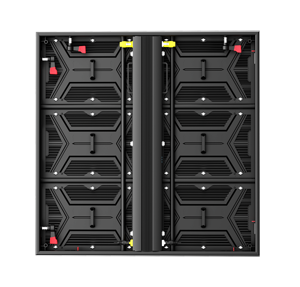
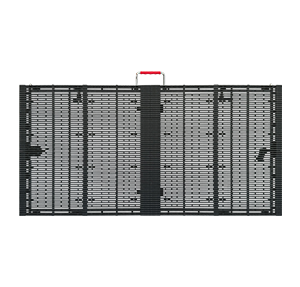
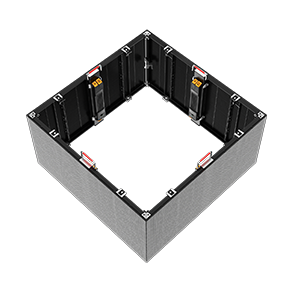
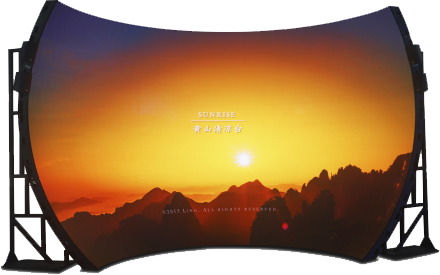
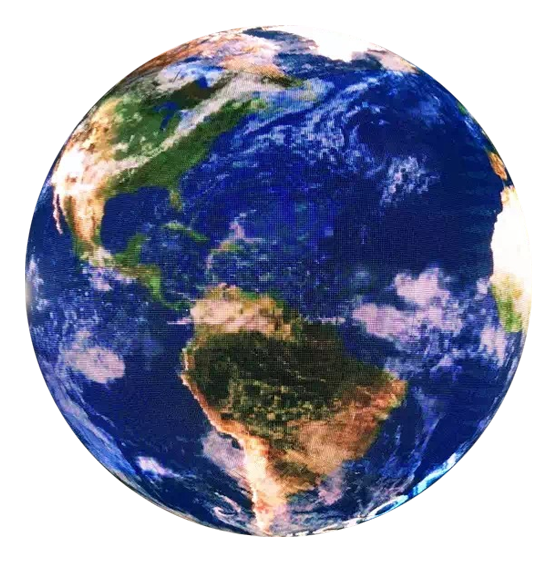
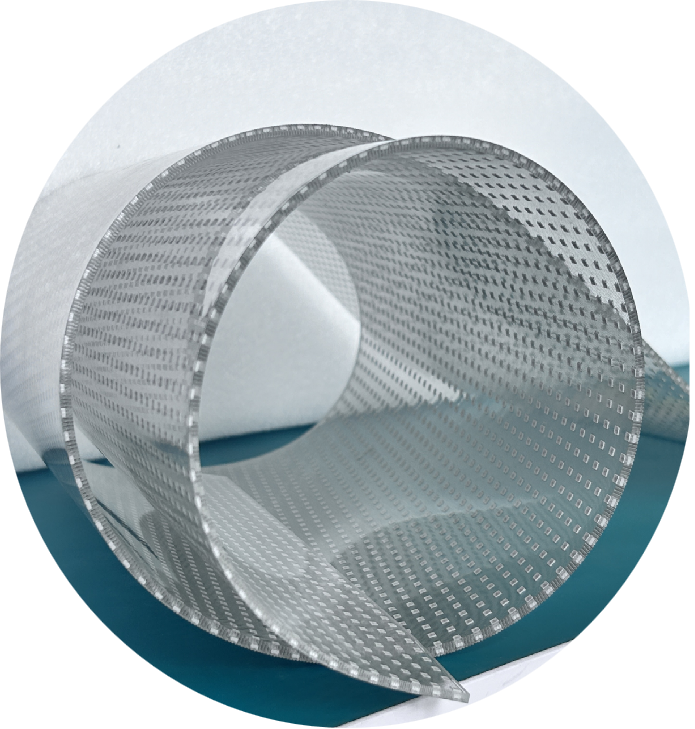
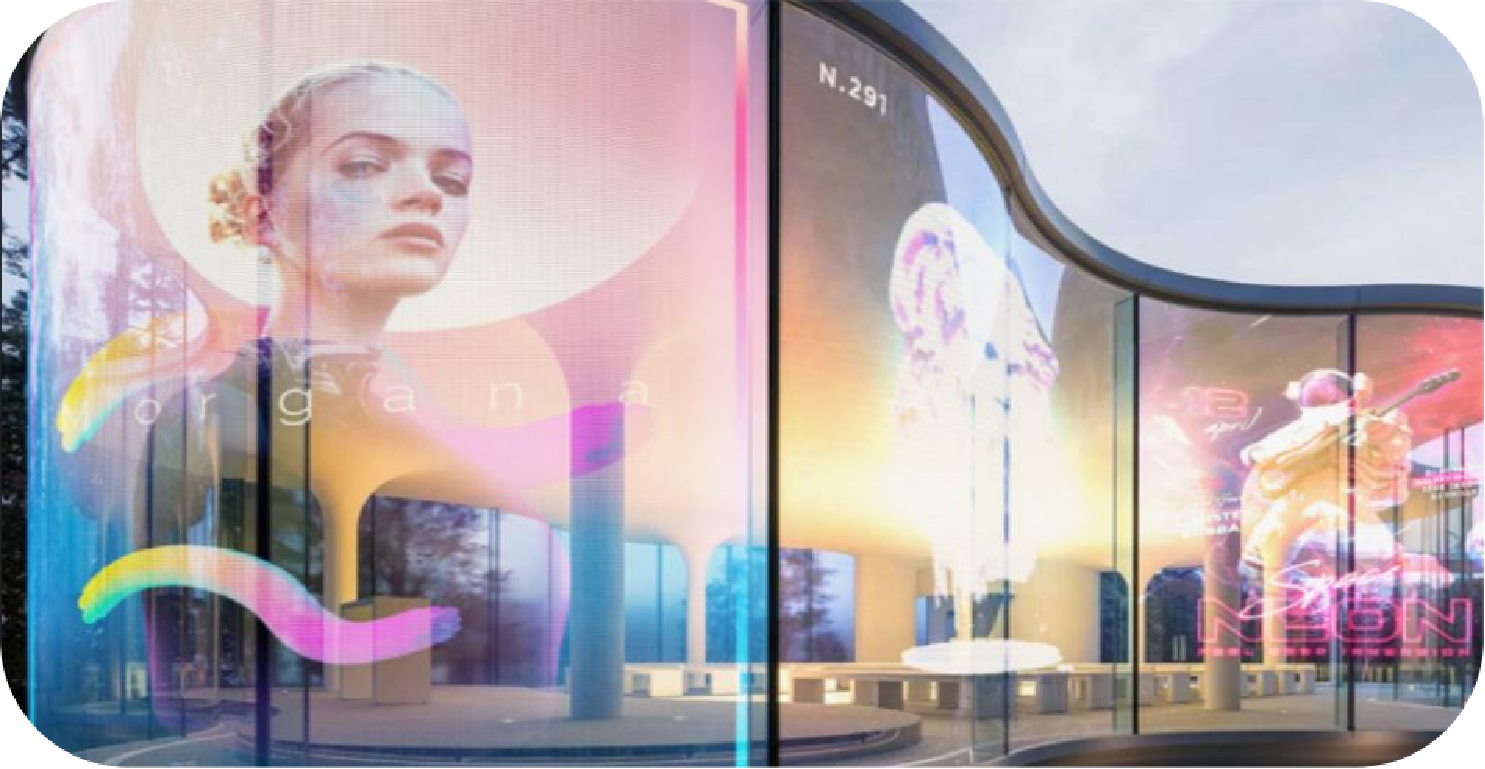
Installation flexibility is also a key benefit of LED Wall Displays. Because the system is composed of modular panels, the display can be installed on walls, suspended from structures, or integrated into architectural designs. Curved or creative display shapes can be achieved using flexible LED modules, allowing designers to create unique visual experiences. Maintenance is simplified as well, since individual panels or modules can be replaced without dismantling the entire display system.
In conclusion, an LED Wall Display represents one of the most advanced and versatile digital display technologies available today. Its modular structure, high brightness, vivid color performance, and large-scale visual capability make it ideal for advertising, entertainment, corporate communication, and public information systems. With strong durability, energy efficiency, and flexible installation options, LED wall displays provide reliable long-term performance for a wide range of applications. As digital communication continues to expand in modern society, LED Wall Display technology will remain a powerful and effective tool for delivering impactful visual content to audiences around the world.