











LED Poster Displays vs. Traditional Signage: Which Is Right for You?
Sep 17,2026
LED Poster Displays vs. Traditional Signage: Which Is Right for You?
Introduction to Signage Solutions
In today's fast-paced digital world, businesses continually seek innovative ways to attract customers and communicate messages efficiently. Two prominent options in the realm of advertising are **LED poster displays** and **traditional signage**. Both serve the essential function of delivering in
LED Poster Displays vs. Traditional Signage: Which Is Right for You?
Introduction to Signage Solutions
In today's fast-paced digital world, businesses continually seek innovative ways to attract customers and communicate messages efficiently. Two prominent options in the realm of advertising are **LED poster displays** and **traditional signage**. Both serve the essential function of delivering information, promotions, and branding to a target audience, but they do so in markedly different ways. This article explores the strengths and weaknesses of each, helping you determine which option is the best fit for your specific needs.
Understanding LED Poster Displays
What Are LED Poster Displays?
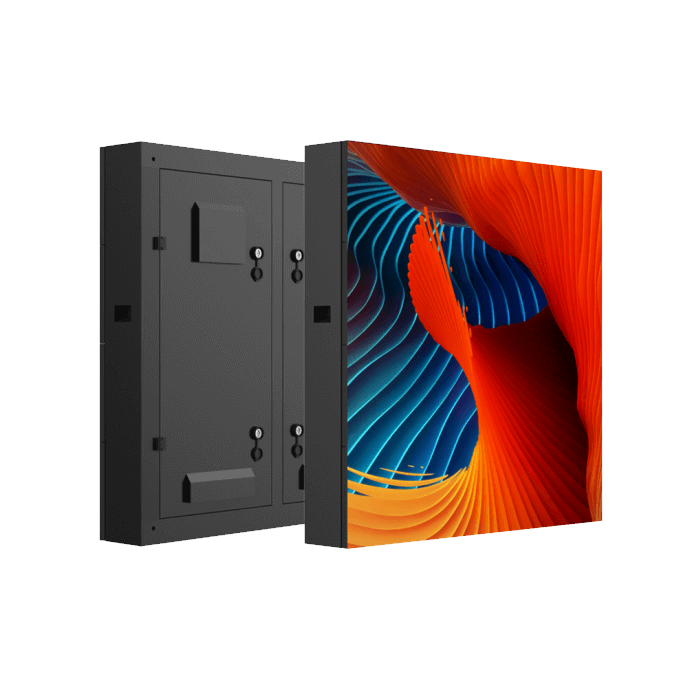
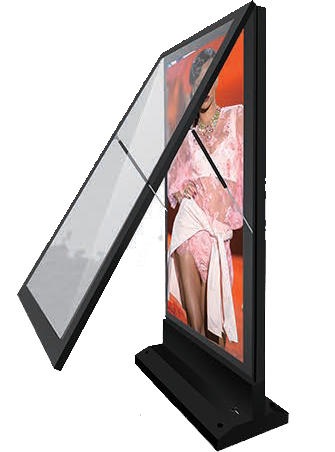
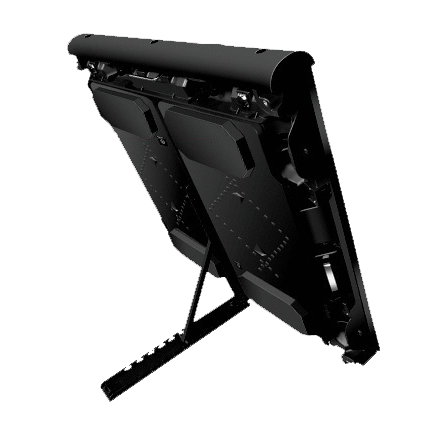
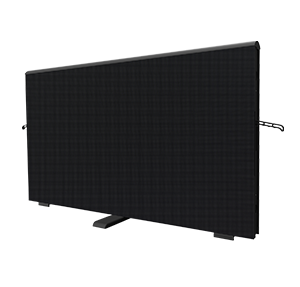
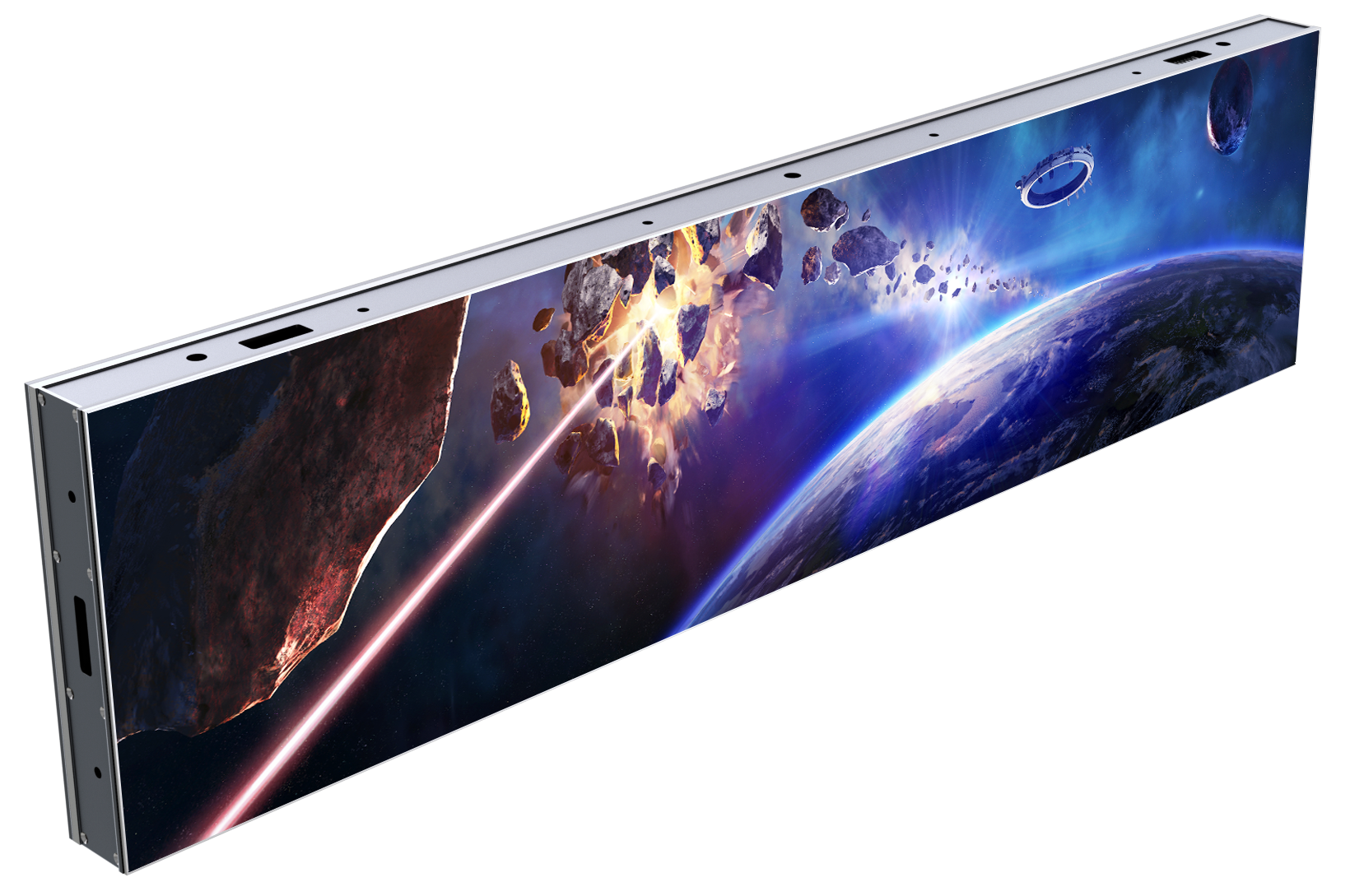
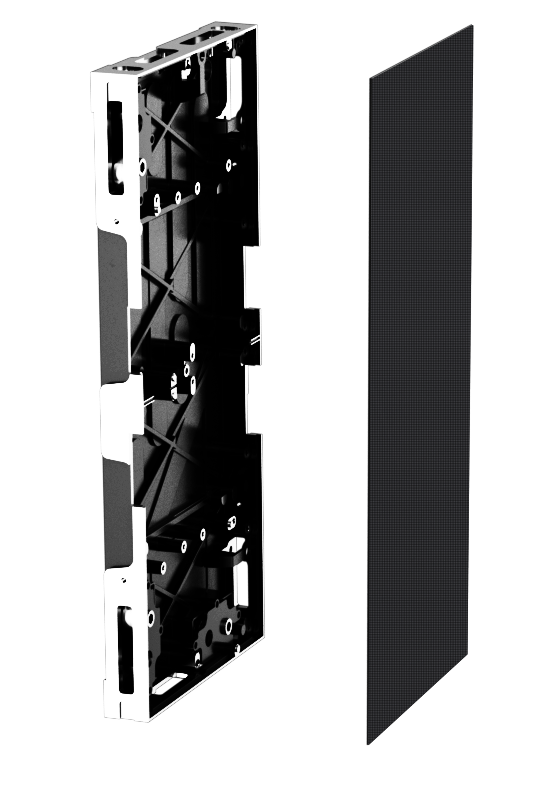
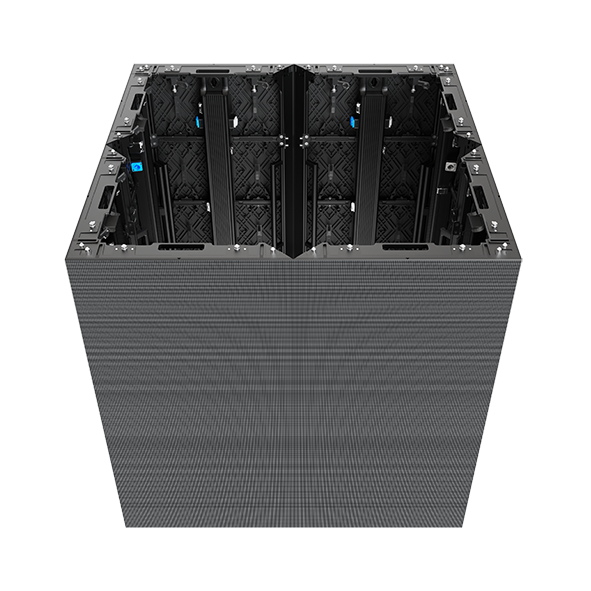
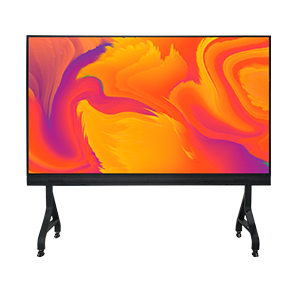
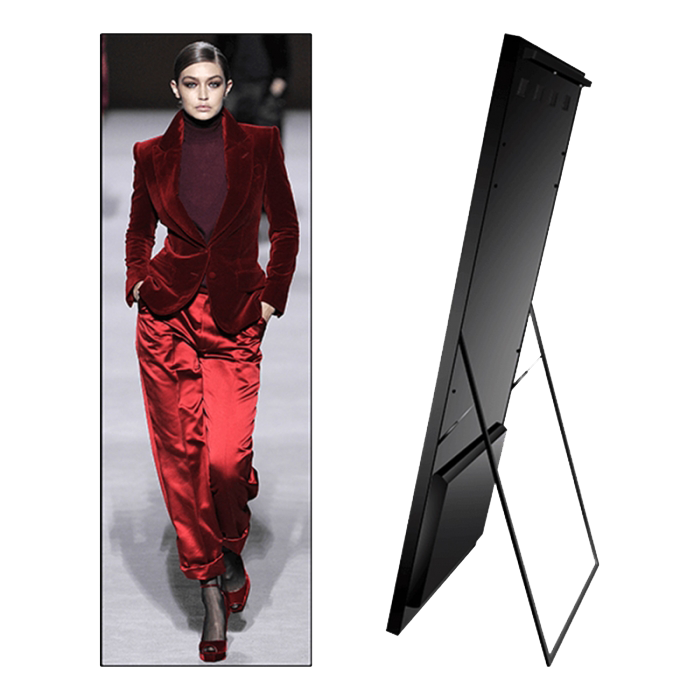
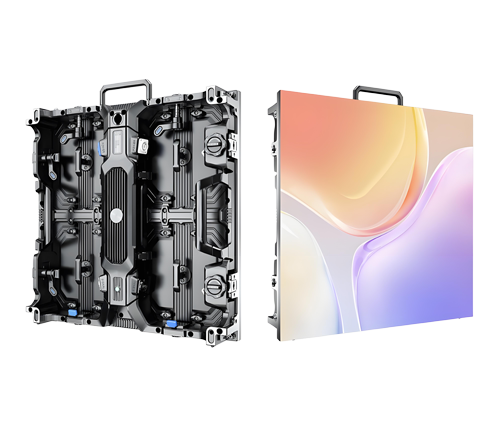
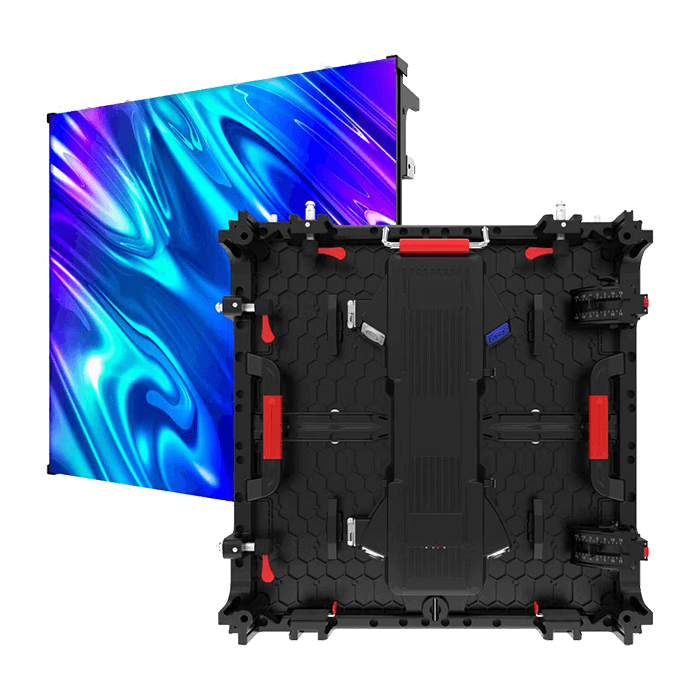
LED poster displays are modern digital signage solutions that utilize light-emitting diodes (LEDs) to showcase vivid images and videos. These displays come in various sizes and resolutions, making them suitable for numerous applications—retail, events, corporate environments, and more. Their dynamic nature allows for flexible content updates, ensuring your messaging remains relevant and engaging.
Advantages of LED Poster Displays
- High Visibility: LED displays boast bright, vibrant colors that can be easily seen, even in challenging lighting conditions.
- Dynamic Content: Unlike static signage, LED posters can display multiple messages or advertisements in a rotating format, maximizing engagement.
- Remote Management: Many LED displays allow for content to be updated remotely, saving time and labor costs associated with changing traditional signage.
- Energy Efficiency: Modern LED technology consumes less energy than older lighting solutions, making them more environmentally friendly and cost-effective in the long run.
- Interactive Capabilities: Some LED displays incorporate touch-screen technology, enabling interactive experiences that can enhance customer engagement.
Where to Use LED Poster Displays
LED poster displays can be effectively utilized in various settings, including:
- Retail Stores: To promote sales, new arrivals, or seasonal promotions.
- Event Venues: Displaying schedules, directions, or branding messages.
- Corporate Offices: To communicate internal announcements or showcase company values.
- Restaurants and Cafes: For dynamic menus or promotional offers.
The Role of Traditional Signage
What Is Traditional Signage?
Traditional signage encompasses any form of signage that is static and typically made from materials such as vinyl, wood, metal, or glass. This category includes banners, billboards, storefront signs, and vehicle wraps. Traditional signage has long been a mainstay in the advertising world and continues to play a vital role in brand visibility.
Benefits of Traditional Signage
- Cost-Effective: Depending on the materials used, traditional signage can often be less expensive to produce than LED displays.
- Long Lifespan: Many traditional signs, especially those made from durable materials, can last for several years with minimal maintenance.
- Easy Installation: Static signs require less technical knowledge to install, making them accessible for small business owners.
- Established Trust: Many consumers are accustomed to traditional signage and may perceive it as more trustworthy or established than digital alternatives.
Ideal Locations for Traditional Signage
Traditional signage is best suited for the following environments:
- Local Businesses: Establishing brand presence in neighborhoods.
- Highway Advertising: Billboards that capture the attention of drivers.
- Community Events: Banners and signs that inform attendees about activities or promotions.
- Storefronts: Simple signage that provides crucial information about hours and services.
Comparing LED Poster Displays and Traditional Signage
Cost Analysis: LED vs. Traditional
When evaluating the cost of LED poster displays against traditional signage, it’s essential to consider both initial investment and long-term expenses. LED displays typically require a higher upfront cost due to technology and installation requirements. However, their ability to change content quickly and their energy efficiency can lead to significant savings over time.
In contrast, traditional signage tends to have lower initial costs but may require more frequent replacements or updates to keep the message fresh. This can lead to increased long-term costs, especially for businesses that frequently change promotions or offerings.
Effectiveness in Capturing Attention
The effectiveness of signage largely depends on its ability to capture attention. LED displays, with their bright colors and motion capabilities, can attract passersby far more effectively than static signs. Studies have shown that digital signage can increase consumer engagement by up to 400%. Traditional signage, while still effective, often struggles to compete with the dynamic nature of LED displays, particularly in high-traffic areas where visual competition is fierce.
Maintenance and Longevity
Maintenance for LED displays includes periodic updates to the content, software management, and potential repairs for malfunctioning components. These can be managed remotely, but they require some technical expertise.
On the other hand, traditional signage is generally low-maintenance, but it can deteriorate over time due to weather conditions, fading colors, or structural damage. Regular upkeep might involve cleaning, repainting, or replacing materials, particularly for signs exposed to the elements.
Environmental Impact
In an era of increased awareness of environmental issues, businesses must consider their impact on the planet. LED displays are generally more energy-efficient than traditional lighting sources, significantly reducing energy consumption and carbon footprints. Additionally, LED technology has a longer lifespan than traditional bulbs, meaning less waste.
Conversely, traditional signage can involve the use of materials that may not be easily recyclable, especially if they include plastics or treated woods. Businesses interested in sustainability should weigh these factors when choosing their signage solutions.
Making the Right Choice for Your Business
Assessing Your Business Needs
Choosing between LED poster displays and traditional signage boils down to understanding your specific business needs. Consider the following questions:
- What is your target audience, and how do they engage with advertising?
- What is your budget for signage, both upfront and long-term?
- How frequently will your message change?
- What locations will the signage occupy, and what are the environmental conditions?
- Are you aiming for a modern, dynamic presence, or does traditional branding resonate more with your audience?
Taking the time to evaluate these factors will significantly aid in making an informed decision.
Combining Both Strategies
For some businesses, the best solution may not be an either/or scenario. A hybrid approach that combines **LED displays** and **traditional signage** can leverage the strengths of both methods. For instance, a retail store might use an LED display for promotions while maintaining traditional storefront signs for brand recognition. This strategy allows businesses to maximize visibility and effectiveness across various customer touchpoints.
FAQs About LED Poster Displays and Traditional Signage
1. Are LED poster displays more expensive than traditional signage?
Typically, yes. The initial investment for LED displays is higher, but they may offer cost savings over time due to lower maintenance and energy costs.
2. How often can I update the content on an LED poster display?
Content on LED displays can be updated as frequently as desired, often remotely and in real-time.
3. What is the average lifespan of an LED poster display?
LED displays can last anywhere from 5 to 10 years, depending on usage and maintenance.
4. Can traditional signage still be effective in a digital age?
Absolutely. Traditional signage continues to be effective, especially for local businesses and in communities where digital signage may not be as prevalent.
5. Is it possible to integrate interactive features into LED displays?
Yes, many LED displays can support interactive features, improving customer engagement and providing a unique user experience.
Conclusion
Ultimately, the choice between **LED poster displays** and **traditional signage** depends on various factors, including your budget, target audience, location, and branding goals. Each option has distinct advantages that cater to different business needs. By carefully analyzing your requirements and considering a blend of both strategies, you can create an effective and impactful advertising solution that resonates with your audience. In a competitive market, the right signage choice can make all the difference in capturing attention and driving sales.
Hot Tags:
PREVIOUS:
Contact Us
Related Posts
LED Poster Displays vs. Traditional Signage: Which Is Right for You?
LED Poster Displays vs. Traditional Signage: Which Is Right for You?
Introduction to Signage Solutions
In today's fast-paced digital world, businesses continually seek innovative ways to attract customers and communicate messages efficiently. Two prominent options in the realm of advertising are **LED poster displays** and **traditional signage**. Both serve the essential function of delivering in
Customize LED Advertising Sign Factory: Flexible Solutions for Modern Businesses
Customize LED Advertising Sign factory offering bright, durable signage with flexible designs, OEM service, and custom solutions.

Address:
Building D,Hongfa Technology Industrial Park, shiyan Town,baoan District,Shenzhen,China.


Message