
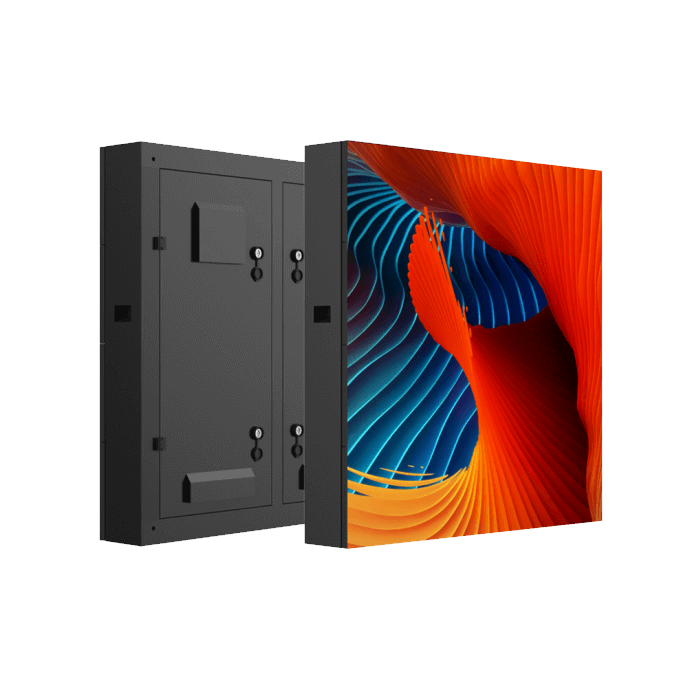


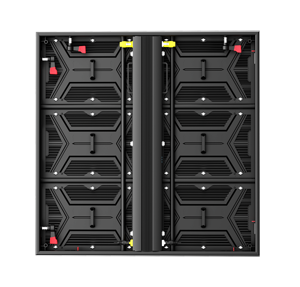
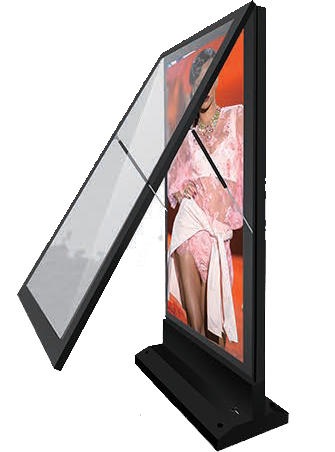


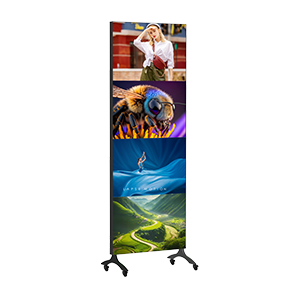
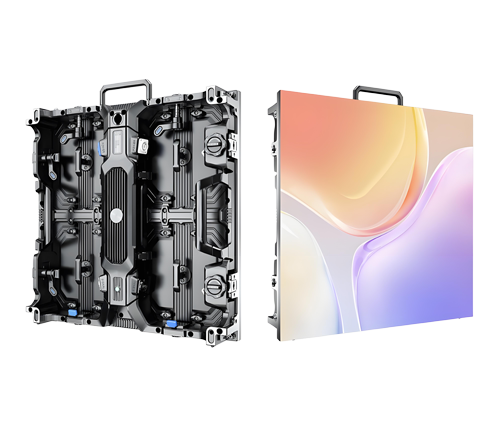


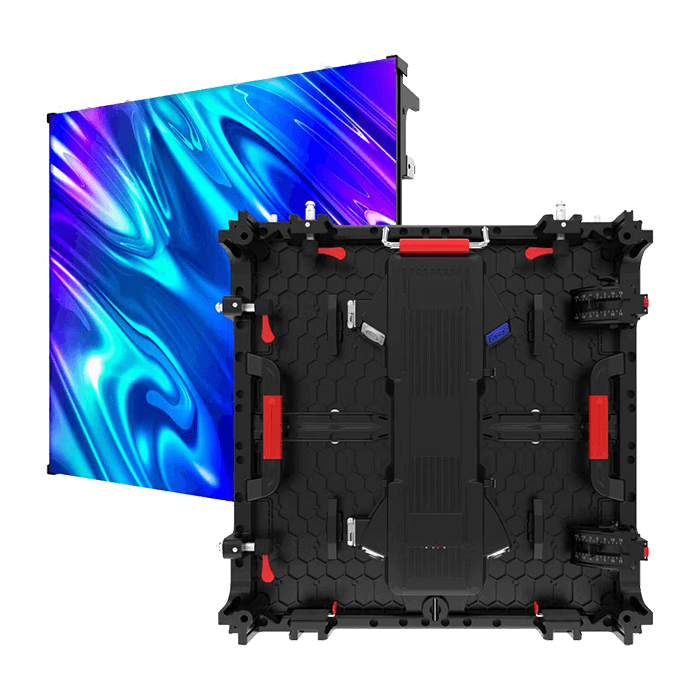
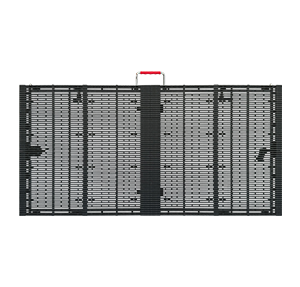


From Concept to Reality: Creating Eye-Catching Designs for LED Poster Displays
May 26,2026
From Concept to Reality: Creating Eye-Catching Designs for LED Poster Displays
Table of Contents
1. Introduction to LED Poster Displays
2. Importance of Eye-Catching Designs in Consumer Electronics
3. Key Design Principles for LED Displays
4. Technological Advancements in LED Display Design
5. Step-by-Step Design Process for LED Poster Displays
6. The Role of Color Theory
From Concept to Reality: Creating Eye-Catching Designs for LED Poster Displays
Table of Contents
- 1. Introduction to LED Poster Displays
- 2. Importance of Eye-Catching Designs in Consumer Electronics
- 3. Key Design Principles for LED Displays
- 4. Technological Advancements in LED Display Design
- 5. Step-by-Step Design Process for LED Poster Displays
- 6. The Role of Color Theory in LED Design
- 7. Enhancing User Experience Through Design
- 8. Case Studies: Successful LED Display Implementations
- 9. FAQs
- 10. Conclusion
1. Introduction to LED Poster Displays
In the realm of **consumer electronics**, LED poster displays have emerged as a transformative medium for advertising, branding, and information dissemination. These dynamic displays combine vibrant visuals with cutting-edge technology, allowing businesses to capture the attention of potential customers effectively. With the rise of digital media, the design and implementation of LED displays have become crucial components in creating impactful visual experiences.
2. Importance of Eye-Catching Designs in Consumer Electronics
The importance of eye-catching designs in **consumer electronics** cannot be overstated. In a saturated market, where countless products vie for consumer attention, standing out is essential. Eye-catching designs for LED displays not only attract attention but also communicate messages efficiently. A well-designed LED poster can convey complex information quickly, making it an invaluable tool for marketing and branding.
3. Key Design Principles for LED Displays
Creating an effective design for LED poster displays involves adhering to several key principles:
3.1 Simplicity
Less is often more. An effective design should be straightforward and easy to understand at a glance. Overly complicated visuals can confuse viewers and dilute the intended message.
3.2 Contrast
Utilizing high contrast between text and background enhances readability. A well-thought-out contrast can draw attention to key elements, guiding the viewer's eye where it is needed the most.
3.3 Hierarchy
Designing with hierarchy in mind helps prioritize information. Utilizing varying sizes, colors, and placements can effectively communicate which elements are the most important.
3.4 Consistency
Maintaining a consistent design style across all displays reinforces brand identity and enhances user recognition. Consistency in font choices, colors, and styles ensures a cohesive appearance.
4. Technological Advancements in LED Display Design
The technological landscape for LED displays has evolved rapidly, providing designers with enhanced tools and capabilities. Key advancements include:
4.1 High-Resolution Displays
Modern LED displays offer significantly higher resolutions, enabling sharper and more detailed images. This clarity is essential for designs that rely on intricate visuals to convey their message.
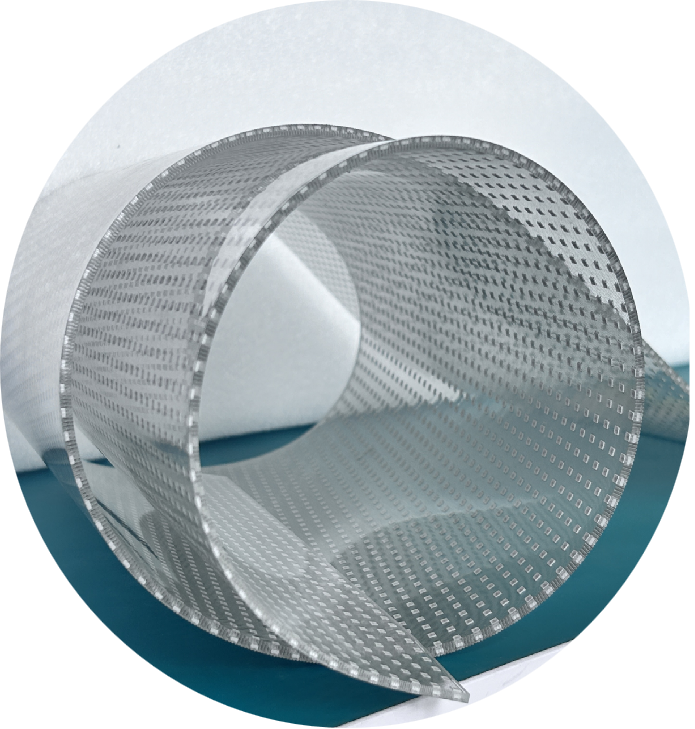
4.2 Flexible LED Technology
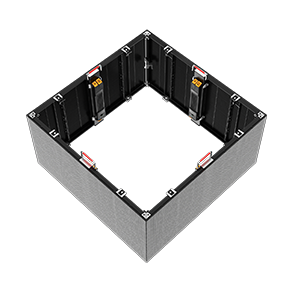
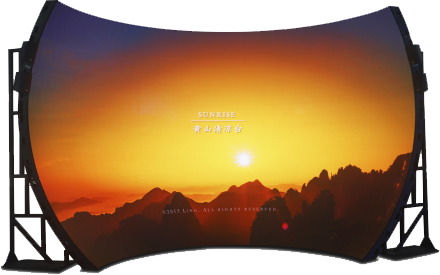
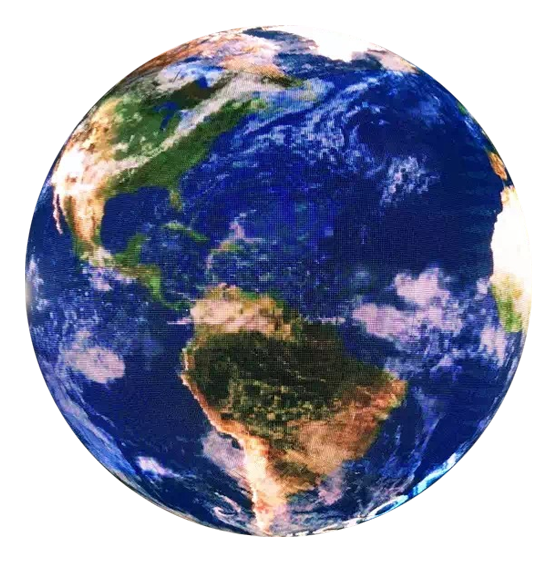
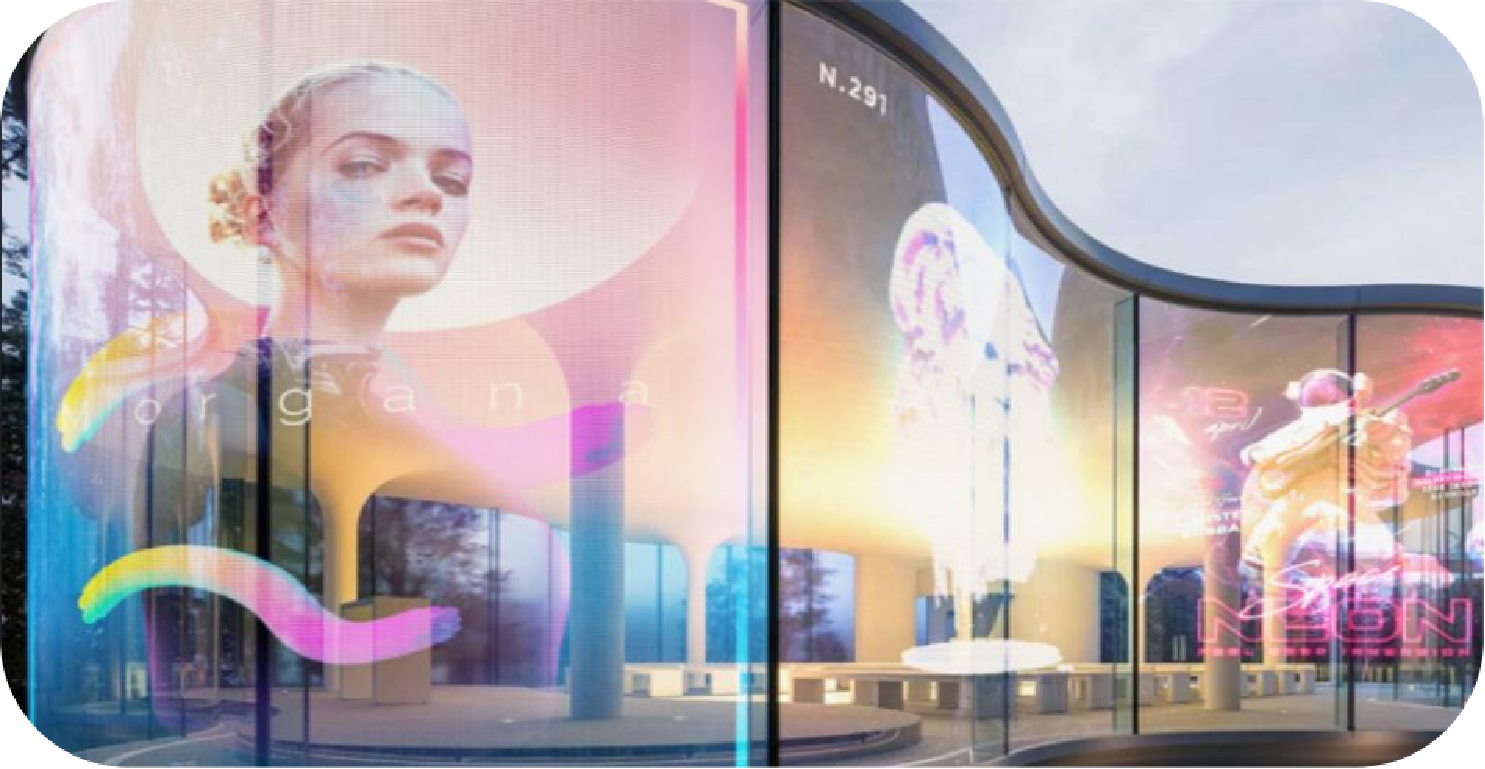
Flexible LED screens allow for creative shapes and installations, breaking the traditional rectangular mold. This versatility helps create unique designs that capture attention.
4.3 Interactive Displays
Incorporating interactive elements into LED displays can engage viewers on a deeper level. Touch-sensitive screens and motion sensors create immersive experiences that enhance user interaction and retention.
5. Step-by-Step Design Process for LED Poster Displays
Transforming ideas into stunning LED poster displays involves a structured design process. Here’s a step-by-step approach:
5.1 Concept Development
Begin by brainstorming ideas that align with your objectives. Consider your target audience and the message you wish to convey. Sketch initial concepts to visualize different designs.
5.2 Research and Inspiration
Investigate current trends in LED display designs. Explore successful campaigns and gather inspiration from various industries. This research will help refine your ideas and inform design decisions.
5.3 Prototyping
Create prototypes of your designs using software tools. This stage allows you to experiment with layouts, colors, and typography, enabling you to visualize the final product.
5.4 Feedback and Iteration
Gather feedback from stakeholders and potential users. Use this input to make necessary adjustments to your design. Iteration is key to ensuring the final product meets expectations.
5.5 Implementation
Once approved, collaborate with technical teams to implement the design. Ensure that the final output aligns with the original vision while adapting to any technical limitations.
6. The Role of Color Theory in LED Design
Color plays a vital role in design and has a profound impact on viewer perception. Understanding color theory can elevate LED poster designs significantly.
6.1 Psychological Impact of Colors
Different colors evoke various emotions and associations. For instance, red can signify urgency, while blue often conveys trust. Choosing the right color palette can enhance the message and motivation behind a display.
6.2 Color Harmony
Creating a harmonious color palette ensures that the display is visually appealing. Complementary colors can make elements pop, while analogous colors can create a soothing effect.
6.3 Accessibility Considerations
Designs must be accessible to all viewers. High color contrast improves legibility, while colorblind-friendly palettes ensure inclusivity in communication.
7. Enhancing User Experience Through Design
User experience (UX) plays a critical role in the effectiveness of LED displays. Here are essential considerations for enhancing UX:
7.1 Readability
Ensuring that text is easy to read is fundamental. Use fonts that are legible from a distance, and avoid cluttering screens with excessive information.
7.2 Motion and Animation
Incorporating motion can capture attention but must be used judiciously. Subtle animations can enhance the visual appeal without overwhelming the viewer.
7.3 Timely Updates
Dynamic content that changes frequently keeps the audience engaged. Ensuring that information is current and relevant contributes to a positive user experience.
8. Case Studies: Successful LED Display Implementations
Examining successful implementations of LED poster displays can provide valuable insights. Here are a few notable case studies:
8.1 Retail Environments
Many retail brands have leveraged LED displays to create immersive shopping experiences. For example, a leading brand incorporated interactive LED screens to showcase promotions, significantly boosting customer engagement and sales.
8.2 Event Marketing
During major events, companies have utilized large-scale LED displays to broadcast live content and advertisements. This approach has proven effective in drawing crowds and enhancing brand visibility.
8.3 Public Information Displays
Cities have adopted LED displays for public information, such as transit updates and emergency announcements. These displays have improved communication and community engagement.
9. FAQs
9.1 What are LED poster displays?
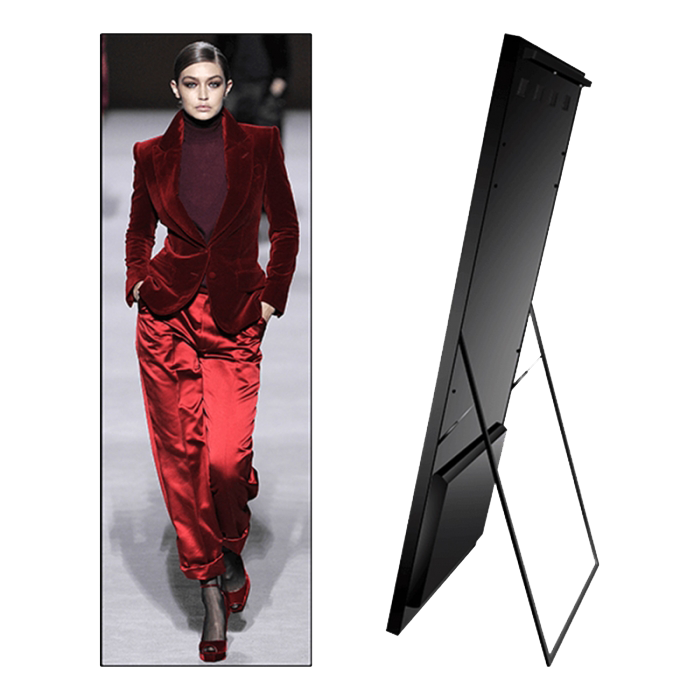
LED poster displays are digital screens that utilize LED technology to showcase dynamic content, advertisements, or information, often used in retail and public environments.
9.2 How do I design an effective LED display?
To design an effective LED display, focus on simplicity, contrast, hierarchy, and consistency, while incorporating high-quality visuals and ensuring readability.
9.3 What technology is used in LED displays?
LED displays utilize light-emitting diodes (LEDs) for illumination, offering superior brightness, energy efficiency, and durability compared to traditional display technologies.
9.4 How can color theory enhance LED designs?
Understanding color theory helps designers choose palettes that evoke desired emotions and create visual harmony, making displays more impactful and engaging.
9.5 What industries benefit from LED poster displays?
Various industries, including retail, entertainment, education, and transportation, benefit from LED poster displays for marketing, information dissemination, and enhancing user experiences.
10. Conclusion
Creating eye-catching designs for LED poster displays requires a harmonious blend of creativity, technology, and design principles. By understanding the fundamentals of design, leveraging technological advancements, and focusing on user experience, we can transform concepts into stunning visual realities. The impact of well-designed LED displays on consumer engagement and brand recognition is profound, making them an essential component in today’s digital landscape. By embracing these strategies, you can ensure your LED poster displays not only attract attention but also leave a lasting impression on your audience.
Hot Tags:
Contact Us
Related Posts
LED Poster Displays vs. Traditional Signage: Which Is Right for You?
LED Poster Displays vs. Traditional Signage: Which Is Right for You?
Introduction to Signage Solutions
In today's fast-paced digital world, businesses continually seek innovative ways to attract customers and communicate messages efficiently. Two prominent options in the realm of advertising are **LED poster displays** and **traditional signage**. Both serve the essential function of delivering in
Customize LED Advertising Sign Factory: Flexible Solutions for Modern Businesses
Customize LED Advertising Sign factory offering bright, durable signage with flexible designs, OEM service, and custom solutions.

Address:
Building D,Hongfa Technology Industrial Park, shiyan Town,baoan District,Shenzhen,China.


Message