









The Future of Advertising: Understanding LED Billboards
Aug 03,2026
In recent years, LED billboards have become a dominant force in the advertising sector, thanks to their vibrant displays and high visibility. These large-scale digital screens utilize Light Emitting Diode (LED) technology, allowing for a brilliant array of colors and dynamic visuals that can capture the attention of passersby. As the consumer electronics industry continues to evolve, understanding
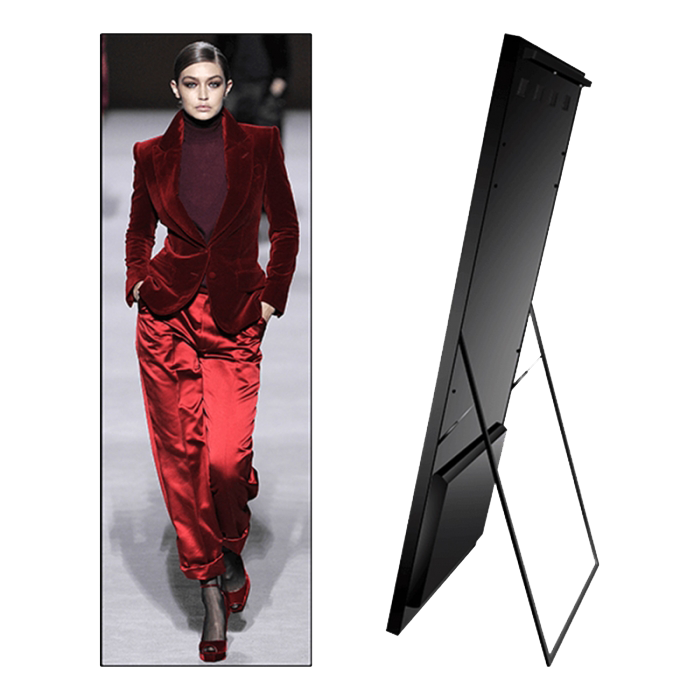
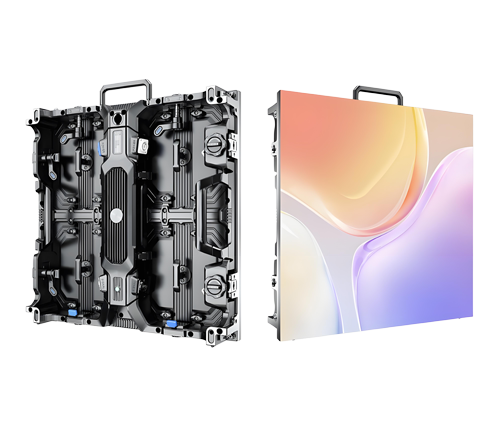
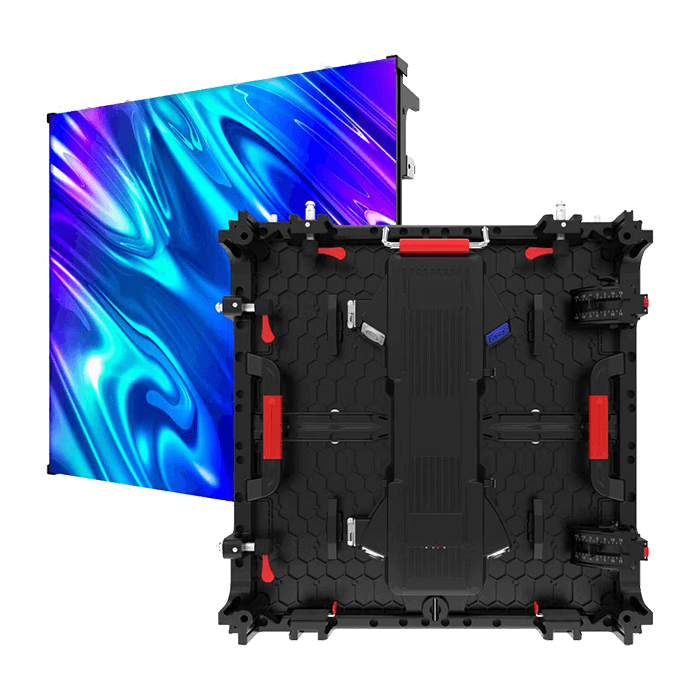
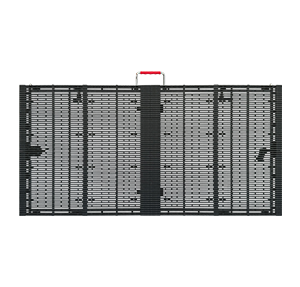
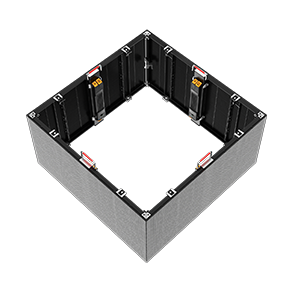
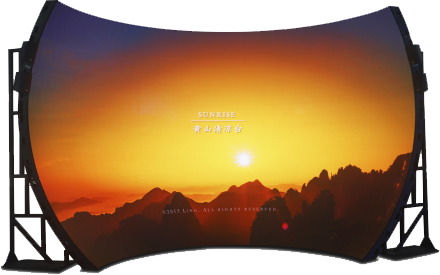
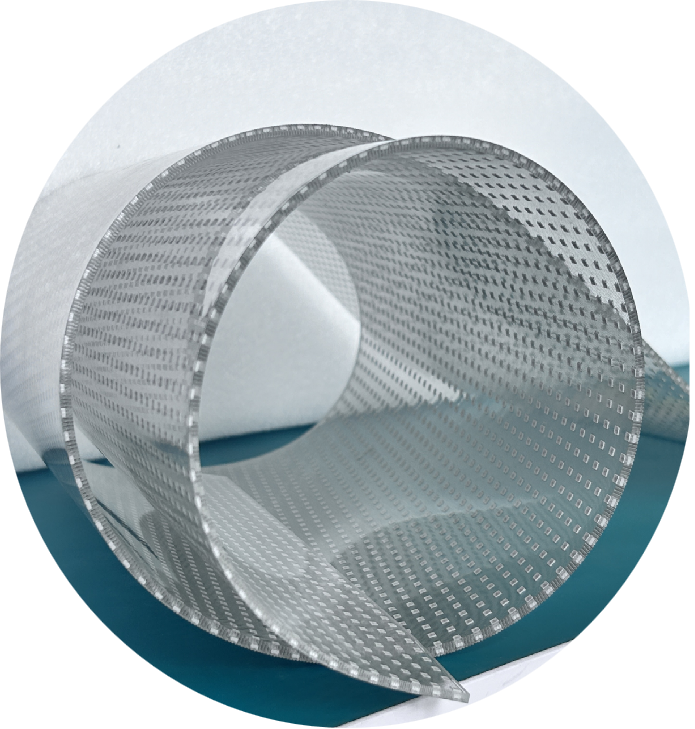
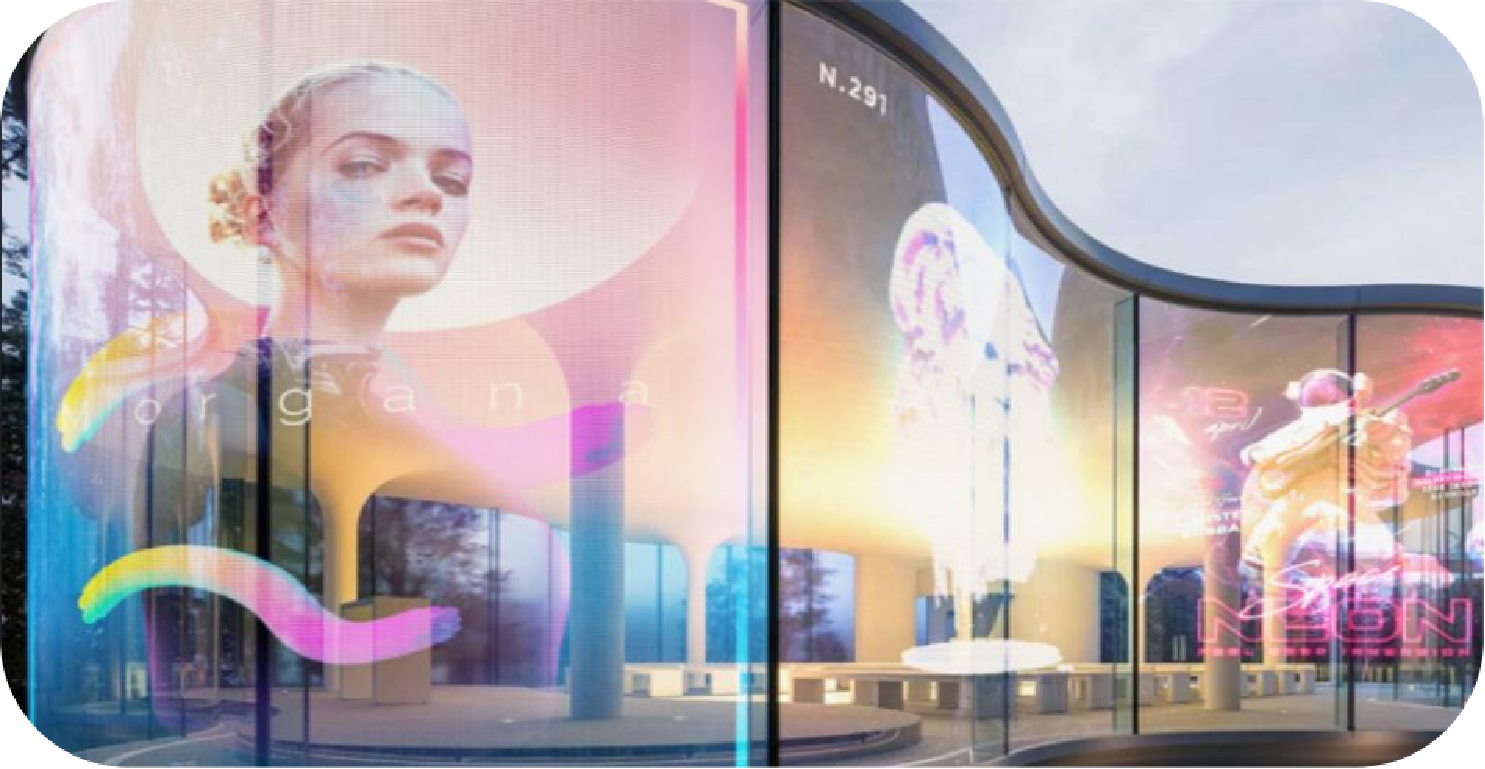
In recent years, LED billboards have become a dominant force in the advertising sector, thanks to their vibrant displays and high visibility. These large-scale digital screens utilize Light Emitting Diode (LED) technology, allowing for a brilliant array of colors and dynamic visuals that can capture the attention of passersby. As the consumer electronics industry continues to evolve, understanding LED billboards’ functionalities and advantages is essential for professionals in the field, particularly those involved in television and display technologies.
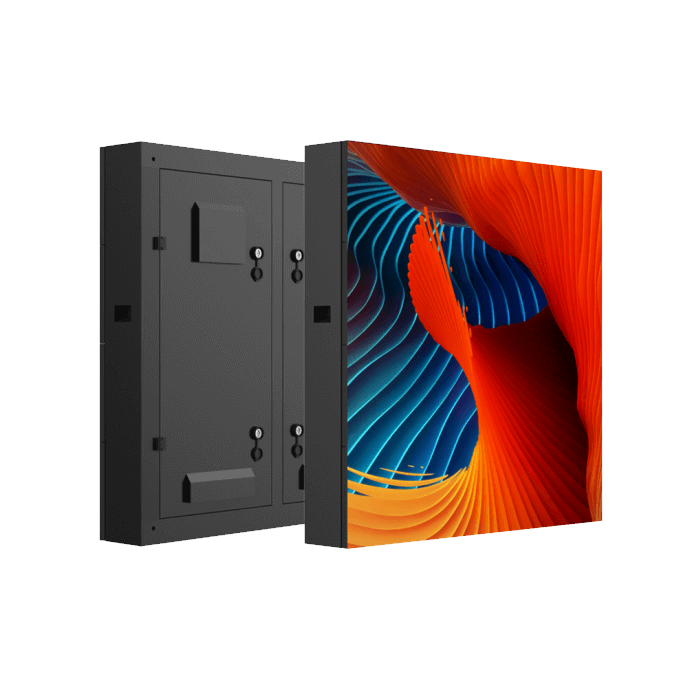
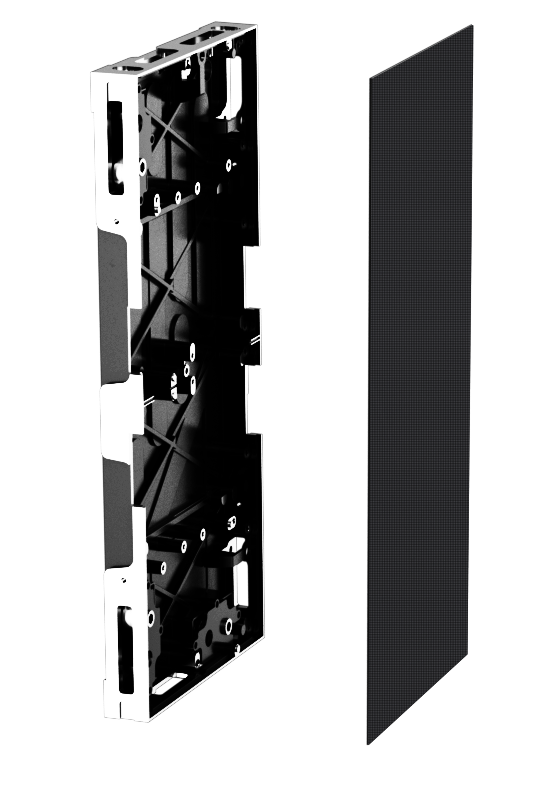
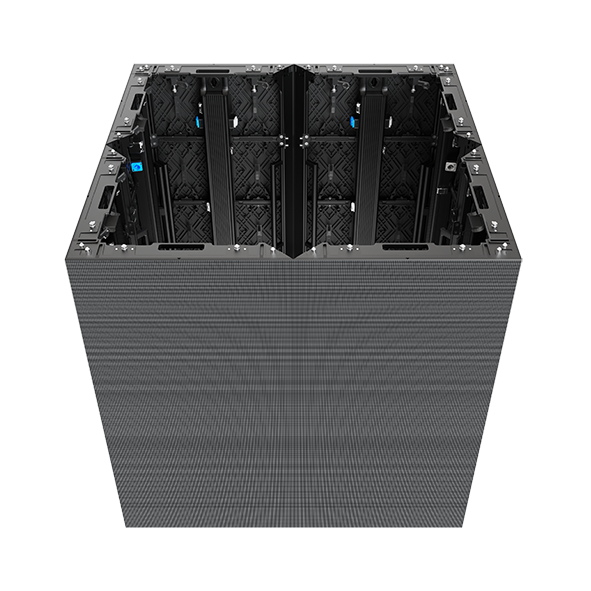
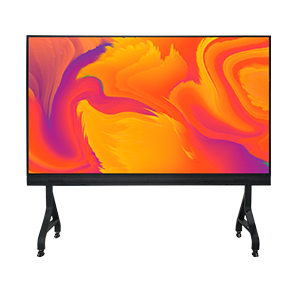
LED billboards operate on a grid of tiny LED lights that can be individually controlled to create stunning images and animations. This technology provides several advantages over traditional advertising methods, such as static billboards. First and foremost, LED billboards offer superior brightness and contrast, ensuring that advertisements remain visible even in bright sunlight or adverse weather conditions. Additionally, the digital nature of LED billboards allows for real-time updates, enabling advertisers to modify their content instantly based on time, location, or audience demographics.
Another significant benefit of LED billboards is their energy efficiency. Compared to older billboard technologies, such as incandescent or fluorescent lights, LED lights consume significantly less power. This not only reduces operational costs but also aligns with the growing demand for sustainable advertising practices. As environmental consciousness rises among consumers, businesses using LED billboards can enhance their brand image by demonstrating a commitment to energy-saving initiatives.
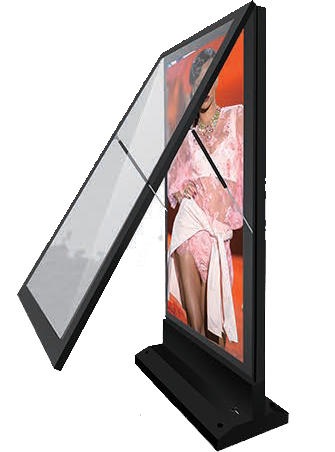
Moreover, LED billboards can be programmed to display multiple advertisements in a single location, increasing the chances of reaching various consumer segments at different times. This flexibility allows for more personalized marketing strategies, providing a higher return on investment for advertisers. In addition, the interactivity of modern LED billboards can engage audiences in innovative ways, such as social media integration or real-time contests, further enhancing consumer connection to brands.
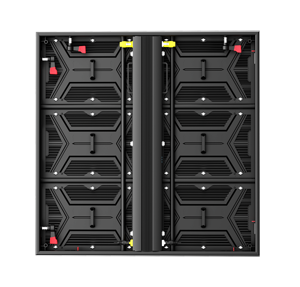
From a technical standpoint, the advancements in LED technology are noteworthy. High-definition LED displays now provide exceptional image quality, making them suitable for high-impact advertising campaigns. Additionally, the development of outdoor LED technology has improved durability and weather resistance, enabling billboards to function seamlessly in various environments.
In conclusion, LED billboards are reshaping the advertising landscape by combining advanced technology with effective marketing strategies. For professionals in the consumer electronics and television industries, understanding the capabilities and benefits of LED billboards is crucial. As the industry continues to innovate, staying informed about these developments will be essential for leveraging their potential in creating engaging and effective advertising solutions. Embracing LED billboards can be a key factor in staying competitive in a rapidly evolving marketplace.
LED billboards operate on a grid of tiny LED lights that can be individually controlled to create stunning images and animations. This technology provides several advantages over traditional advertising methods, such as static billboards. First and foremost, LED billboards offer superior brightness and contrast, ensuring that advertisements remain visible even in bright sunlight or adverse weather conditions. Additionally, the digital nature of LED billboards allows for real-time updates, enabling advertisers to modify their content instantly based on time, location, or audience demographics.
Another significant benefit of LED billboards is their energy efficiency. Compared to older billboard technologies, such as incandescent or fluorescent lights, LED lights consume significantly less power. This not only reduces operational costs but also aligns with the growing demand for sustainable advertising practices. As environmental consciousness rises among consumers, businesses using LED billboards can enhance their brand image by demonstrating a commitment to energy-saving initiatives.
Moreover, LED billboards can be programmed to display multiple advertisements in a single location, increasing the chances of reaching various consumer segments at different times. This flexibility allows for more personalized marketing strategies, providing a higher return on investment for advertisers. In addition, the interactivity of modern LED billboards can engage audiences in innovative ways, such as social media integration or real-time contests, further enhancing consumer connection to brands.
From a technical standpoint, the advancements in LED technology are noteworthy. High-definition LED displays now provide exceptional image quality, making them suitable for high-impact advertising campaigns. Additionally, the development of outdoor LED technology has improved durability and weather resistance, enabling billboards to function seamlessly in various environments.
In conclusion, LED billboards are reshaping the advertising landscape by combining advanced technology with effective marketing strategies. For professionals in the consumer electronics and television industries, understanding the capabilities and benefits of LED billboards is crucial. As the industry continues to innovate, staying informed about these developments will be essential for leveraging their potential in creating engaging and effective advertising solutions. Embracing LED billboards can be a key factor in staying competitive in a rapidly evolving marketplace.
Hot Tags:
Contact Us
Related Posts
LED Poster Displays vs. Traditional Signage: Which Is Right for You?
LED Poster Displays vs. Traditional Signage: Which Is Right for You?
Introduction to Signage Solutions
In today's fast-paced digital world, businesses continually seek innovative ways to attract customers and communicate messages efficiently. Two prominent options in the realm of advertising are **LED poster displays** and **traditional signage**. Both serve the essential function of delivering in
Customize LED Advertising Sign Factory: Flexible Solutions for Modern Businesses
Customize LED Advertising Sign factory offering bright, durable signage with flexible designs, OEM service, and custom solutions.

Address:
Building D,Hongfa Technology Industrial Park, shiyan Town,baoan District,Shenzhen,China.


Message