








From Concept to Reality: Designing Custom LED Advertising Signs
Sep 27,2026
From Concept to Reality: Designing Custom LED Advertising Signs
Table of Contents
1. Introduction to LED Advertising Signs
2. Understanding the Benefits of Custom LED Signs
3. The Design Process: Steps to Create Stunning LED Signs
3.1 Concept Development and Ideation
3.2 Choosing the Right Materials
3.3 Selecting Technology and Components
3.4 Creating Visual Mockups
4. Best Pract
From Concept to Reality: Designing Custom LED Advertising Signs
Table of Contents
1. Introduction to LED Advertising Signs
2. Understanding the Benefits of Custom LED Signs
3. The Design Process: Steps to Create Stunning LED Signs
3.1 Concept Development and Ideation
3.2 Choosing the Right Materials
3.3 Selecting Technology and Components
3.4 Creating Visual Mockups
4. Best Practices for Effective LED Signage Design
4.1 Messaging and Branding Consistency
4.2 Color Theory and Its Impact
4.3 Font Selection and Readability
5. Installation and Maintenance of LED Signs
6. Case Studies: Successful Custom LED Sign Projects
7. Frequently Asked Questions (FAQs)
8. Conclusion
1. Introduction to LED Advertising Signs
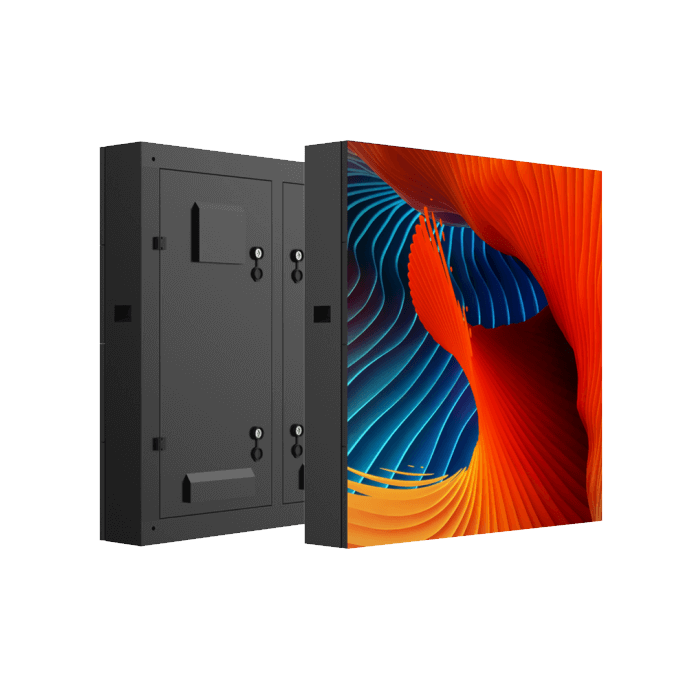
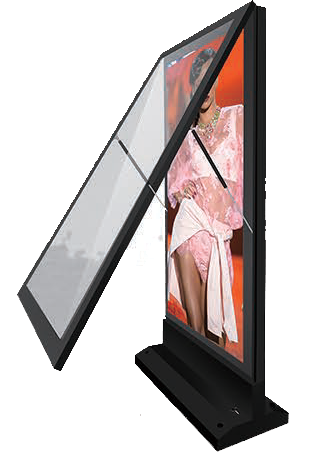
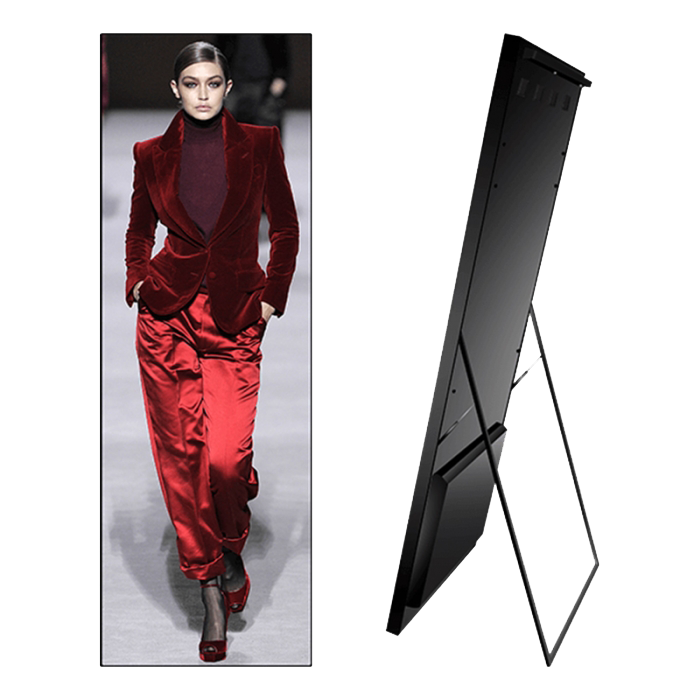
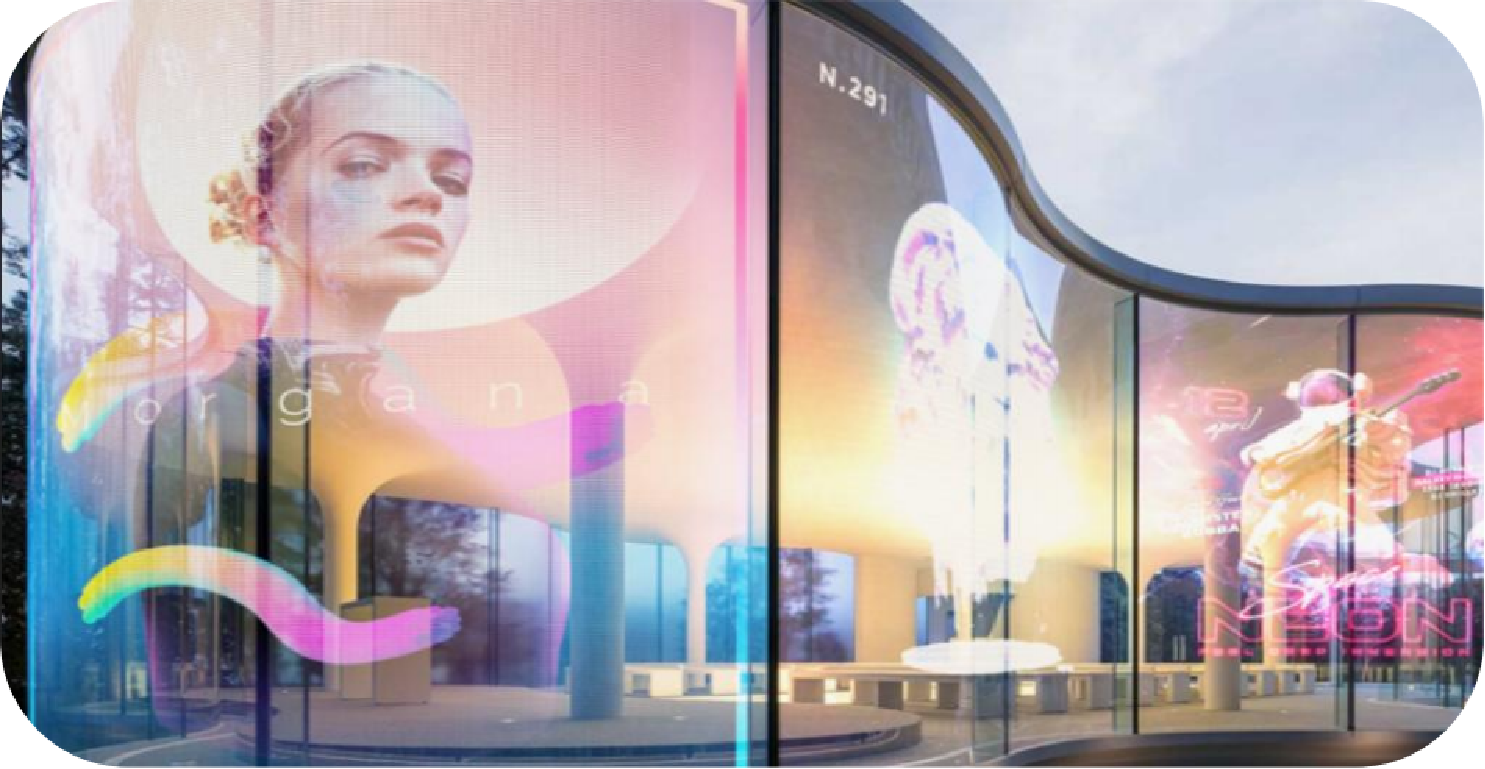
As digital technology continues to evolve, **LED advertising signs** have emerged as a powerful tool for businesses seeking to enhance visibility and engage customers. These vibrant displays not only grab attention but also convey messages effectively, making them a preferred choice for brands in various industries. This article explores the journey of designing custom LED advertising signs, from the initial concept to the final product.
2. Understanding the Benefits of Custom LED Signs
Custom LED signs offer several advantages over traditional advertising methods. Here are some key benefits:
- **High Visibility**: The brightness and clarity of LED displays ensure that messages stand out, even in daylight.
- **Energy Efficiency**: LED technology consumes less power compared to other lighting options, leading to significant cost savings.
- **Versatility**: Custom designs cater to specific branding needs, allowing businesses to create unique visual identities.
- **Dynamic Content**: Unlike static signs, LED displays can change content in real-time, offering flexibility in marketing messages.
- **Longevity**: LED signs are durable and resistant to weather conditions, making them ideal for outdoor use.
3. The Design Process: Steps to Create Stunning LED Signs
Designing custom LED advertising signs involves a multi-step process that ensures the final product aligns with the client's vision and objectives.
3.1 Concept Development and Ideation
The first step in designing an LED sign is brainstorming ideas that reflect the brand's identity. This stage involves gathering input from stakeholders to understand their goals and preferences. Techniques such as mind mapping and sketching can help visualize concepts.
3.2 Choosing the Right Materials
Selecting the right materials is crucial for both aesthetics and functionality. Common materials for LED signs include acrylic, aluminum, and polycarbonate. Each material has its benefits, so it's important to consider factors such as durability, weight, and cost.
3.3 Selecting Technology and Components
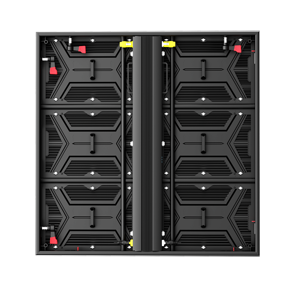
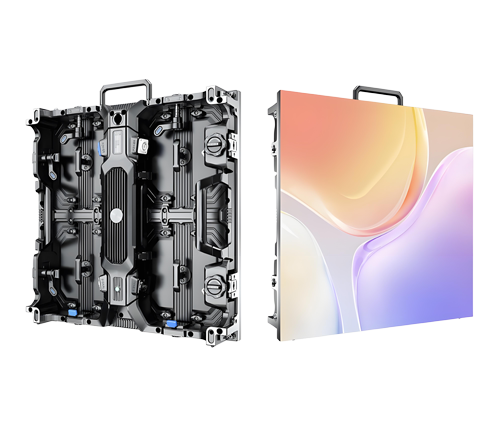
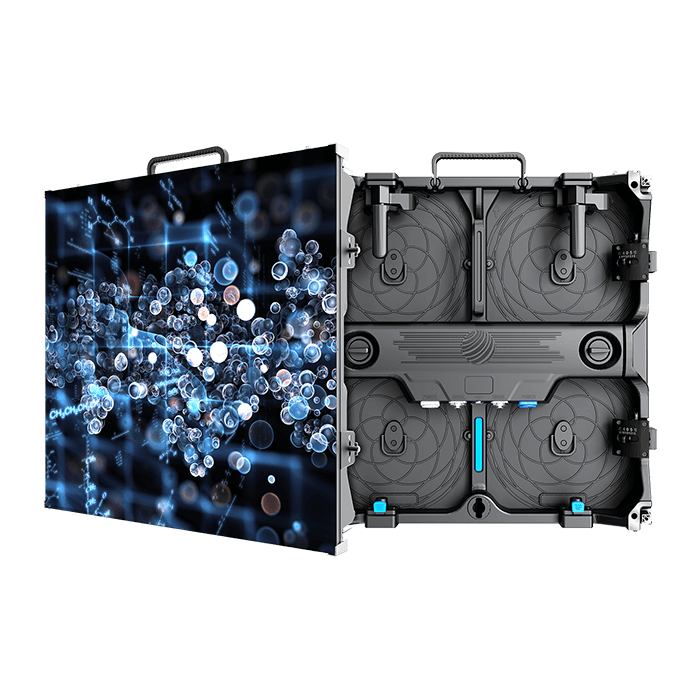
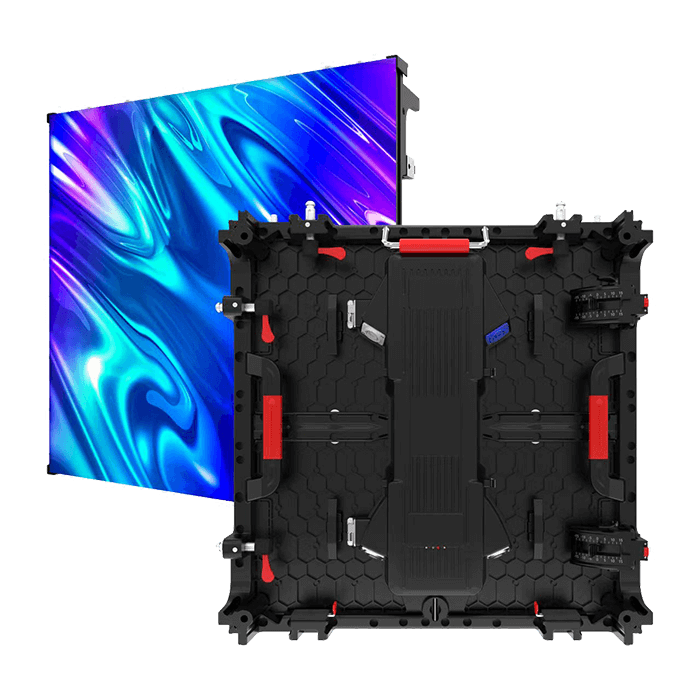
The technology behind the LED display plays a significant role in its effectiveness. Businesses must choose between different types of LED displays, such as pixel pitch and resolution, to achieve the desired clarity and brightness. Furthermore, deciding on control systems and software is essential for managing content.
3.4 Creating Visual Mockups
Once the concept is solidified, creating visual mockups can help clients visualize the final product. This step allows for adjustments in design elements such as color, font, and layout, ensuring alignment with the brand's identity.
4. Best Practices for Effective LED Signage Design
The design of an LED sign must be strategic to maximize its impact. Here are some best practices to follow:
4.1 Messaging and Branding Consistency
Consistency in messaging and branding is crucial. The sign should reflect the business's overall branding strategy, including logos, colors, and slogans. This consistency helps build brand recognition and trust.
4.2 Color Theory and Its Impact
Colors evoke emotions and can influence customer behavior. Understanding color theory can enhance the effectiveness of the sign. For example, red can create urgency, while blue conveys trust and reliability. Choosing the right color palette is essential for effective communication.
4.3 Font Selection and Readability
Selecting fonts that are legible from a distance is fundamental. Sans-serif fonts are generally easier to read on digital displays. Additionally, maintaining a hierarchy in text size helps guide viewers' attention to the most important information.
5. Installation and Maintenance of LED Signs
Proper installation and maintenance ensure the longevity and functionality of LED signs. Installation should be carried out by professionals to ensure safety and compliance with local regulations. Regular maintenance checks, including cleaning and software updates, are crucial for optimal performance.
6. Case Studies: Successful Custom LED Sign Projects
Several businesses have successfully implemented custom LED signs to enhance their visibility. For instance, a local restaurant transformed its storefront with a dynamic LED menu board that showcases daily specials and promotions, resulting in a significant increase in foot traffic. Another case involved a retail store that utilized LED signs to highlight seasonal sales, effectively driving sales during peak periods.
These examples illustrate the effectiveness of custom LED signage in various industries and highlight the potential return on investment.
7. Frequently Asked Questions (FAQs)
**Q1: What is the lifespan of an LED advertising sign?**
A1: On average, LED signs can last between 50,000 to 100,000 hours, depending on usage and maintenance.
**Q2: Are custom LED signs expensive?**
A2: The cost of custom LED signs varies based on size, materials, and technology. However, their long-term benefits often justify the initial investment.
**Q3: Can LED signs be changed remotely?**
A3: Yes, many LED signs come with software that allows users to change content remotely via Wi-Fi or other connectivity options.
**Q4: Are there any regulations for outdoor LED signs?**
A4: Yes, regulations vary by location. It is essential to check local laws regarding placement, size, and brightness levels before installation.
**Q5: How can I maintain my LED sign?**
A5: Regular cleaning, software updates, and inspections for potential damage are key maintenance practices for LED signs.
8. Conclusion
Designing custom LED advertising signs is a multi-faceted process that blends creativity with technology. By understanding the benefits, following best practices, and leveraging the right materials and technology, businesses can create impactful signage that resonates with their target audience. The journey from concept to reality may be intricate, but the rewards in terms of visibility and brand engagement make it a worthwhile investment. As businesses continue to seek innovative ways to attract customers, custom LED signs will undoubtedly remain at the forefront of effective advertising strategies.
Hot Tags:
Contact Us
Related Posts
The Impact of LED Advertising Signs on Consumer Engagement
LED advertising signs have revolutionized the way businesses communicate with their customers. These digital displays offer a dynamic and eye-catching way to convey messages, making them a preferred choice for companies looking to stand out in crowded environments. One of the primary benefits of LED advertising signs is their ability to showcase vibrant colors and high-definition images, which can

Address:
Building D,Hongfa Technology Industrial Park, shiyan Town,baoan District,Shenzhen,China.


Message