








The Technology Behind LED Billboards: What You Need to Know
Oct 17,2026
The Technology Behind LED Billboards: What You Need to Know
In today’s fast-paced digital world, advertising has evolved significantly, and one of the most transformative innovations in this sphere is the **LED billboard**. With their vibrant colors and dynamic displays, LED billboards have become a staple in modern advertising. But what exactly makes these billboards so effective and popular? In this comprehensive article, we will dive into the technology behind LED billboards, explore their advantages, consider installation and maintenance practices, and highlight their impact on consumer engagement.
Table of Contents
- What Are LED Billboards?
- How Do LED Billboards Work?
- Advantages of LED Billboards
- The Installation Process of LED Billboards
- Maintenance of LED Billboards
- Impact on Consumer Engagement
- The Future of LED Technology
- Conclusion
- FAQs
What Are LED Billboards?
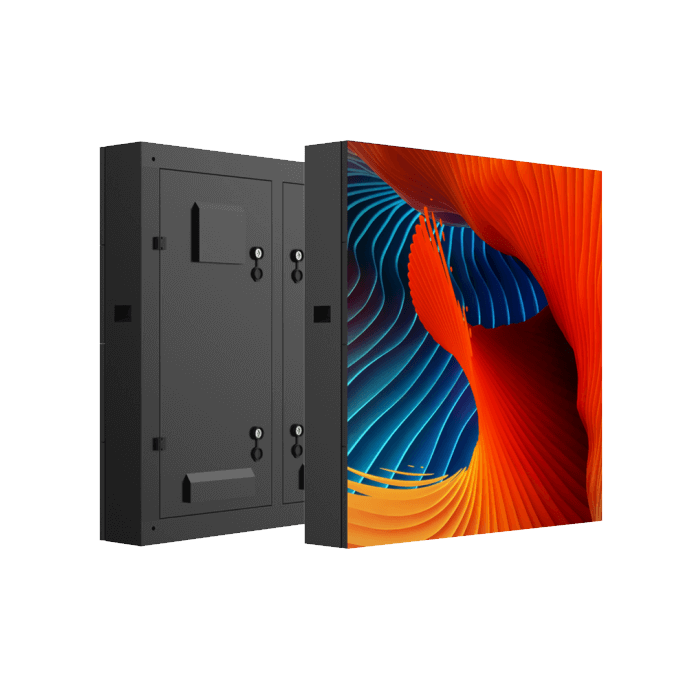
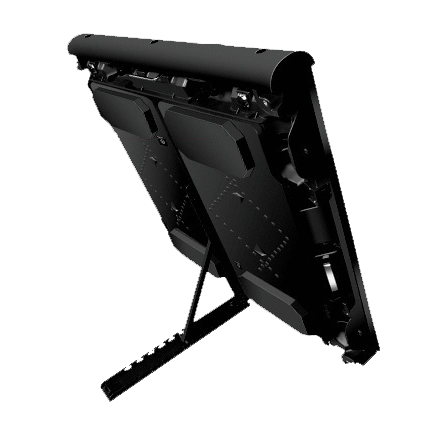
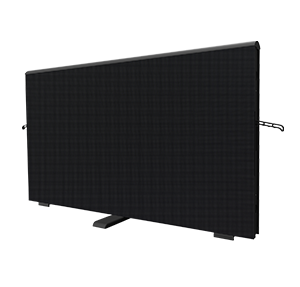
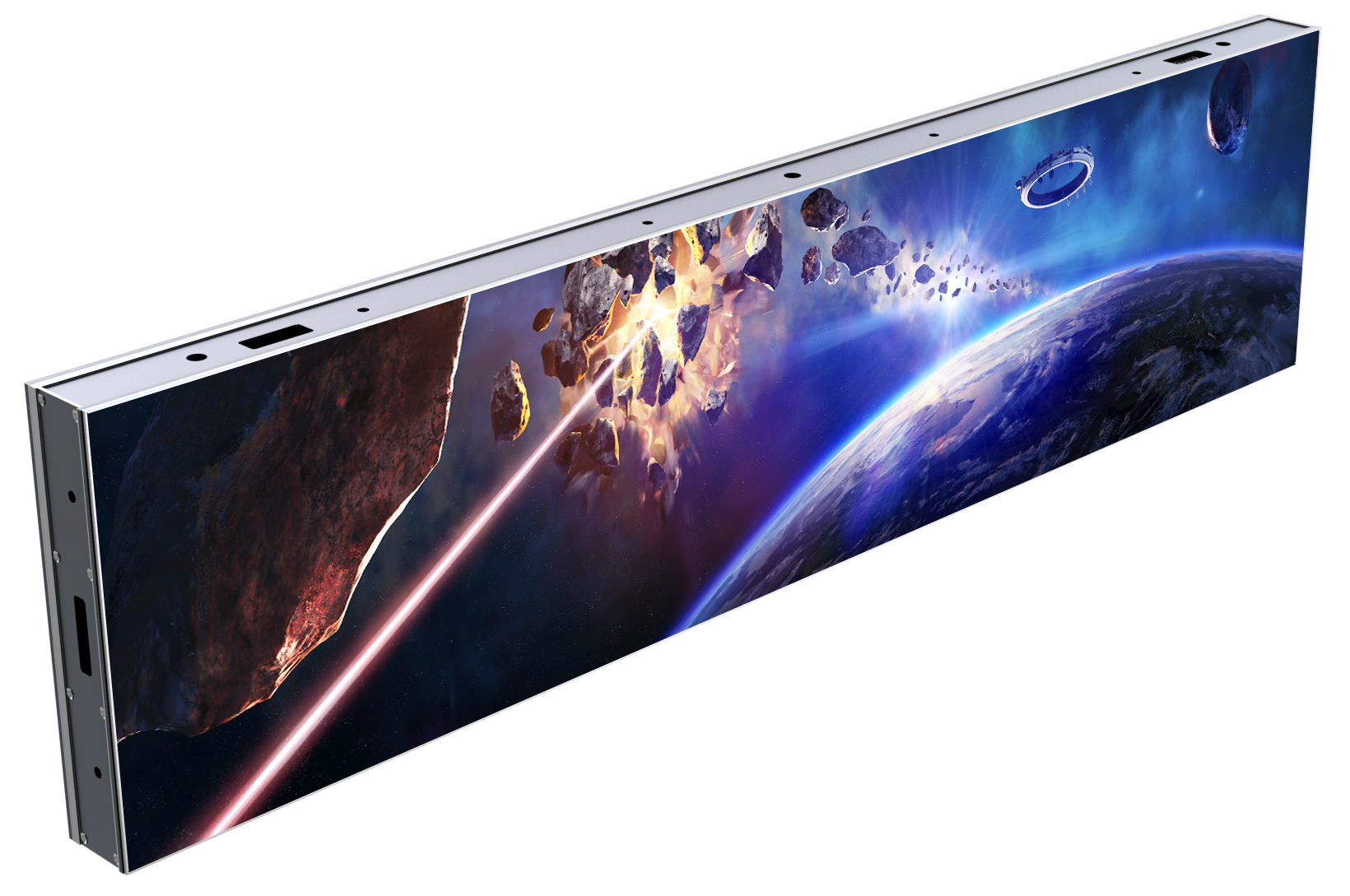
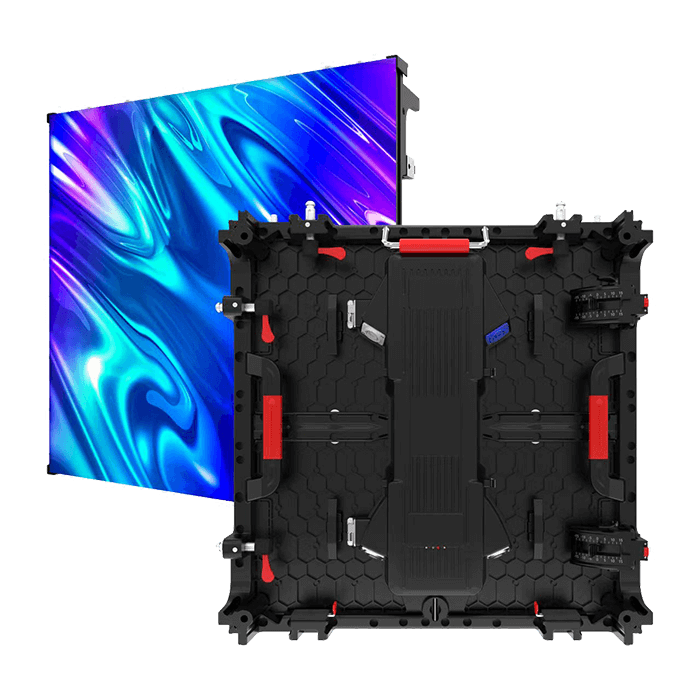
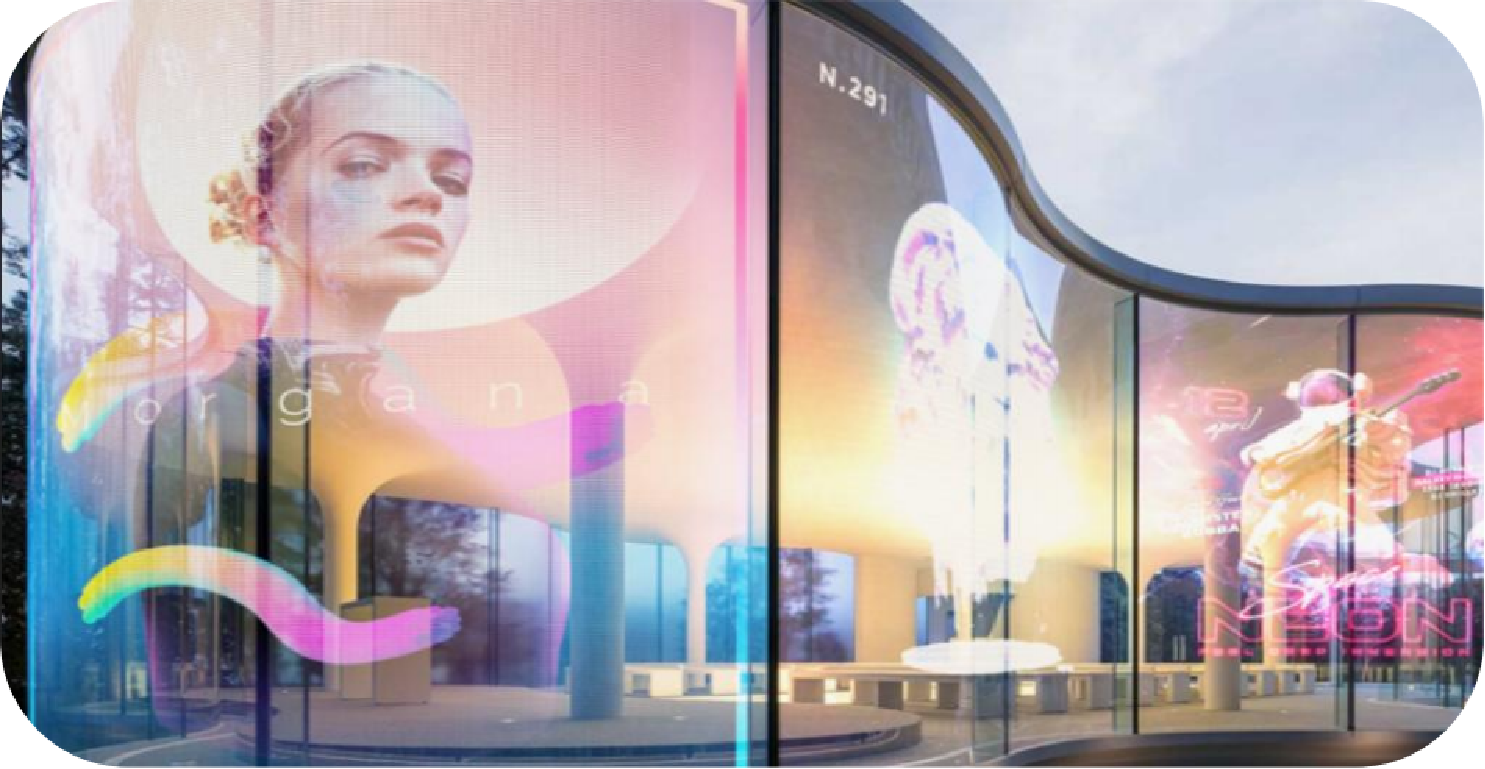
LED billboards are large-scale digital displays that utilize **light-emitting diodes (LEDs)** to present advertisements, messages, or information. Unlike traditional billboards that rely on backlit images, LED billboards can change content rapidly and display high-definition visuals. This technology allows advertisers to showcase dynamic content that can be updated in real-time, giving them greater flexibility and responsiveness in their marketing strategies.
Types of LED Billboards
There are generally two types of LED billboards:
- Full-color LED billboards: These displays use red, green, and blue LEDs to create a wide spectrum of colors. They are suitable for vibrant advertisements that require a high level of detail.
- Single-color or bi-color LED billboards: These are used for simpler messages and are typically less expensive. They are ideal for conveying limited information, such as directions or alerts.
How Do LED Billboards Work?
The technology behind LED billboards involves several components that work together to create eye-catching displays. Here’s a breakdown of how they operate:
Pixel Configuration
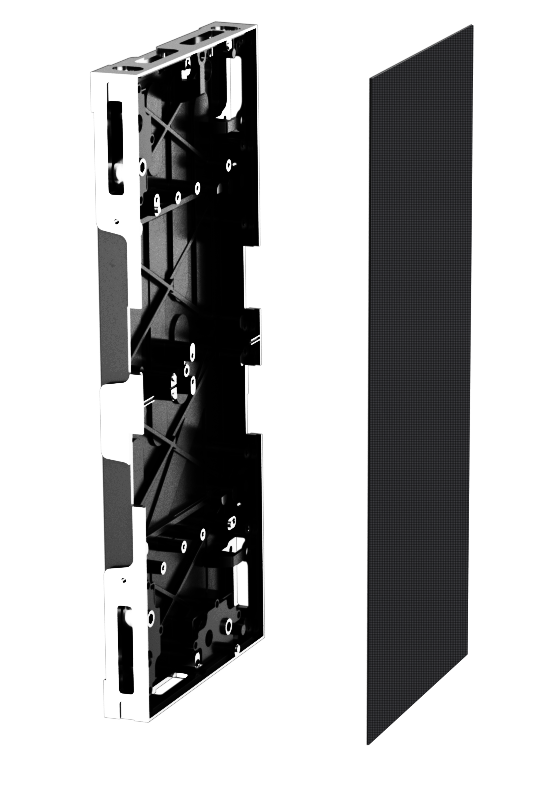
LED billboards consist of numerous small units called pixels. Each pixel is made up of three LEDs (red, green, and blue) that combine to create various colors. The more pixels a billboard has, the higher its resolution, leading to clearer and more detailed images.
Control System
Each LED billboard is equipped with a control system that manages the display of content. This system receives data from digital platforms, allowing advertisers to upload and schedule content efficiently. The control system can be localized or cloud-based, providing flexibility in content management.
Power Supply and Cooling
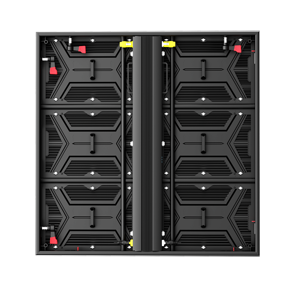
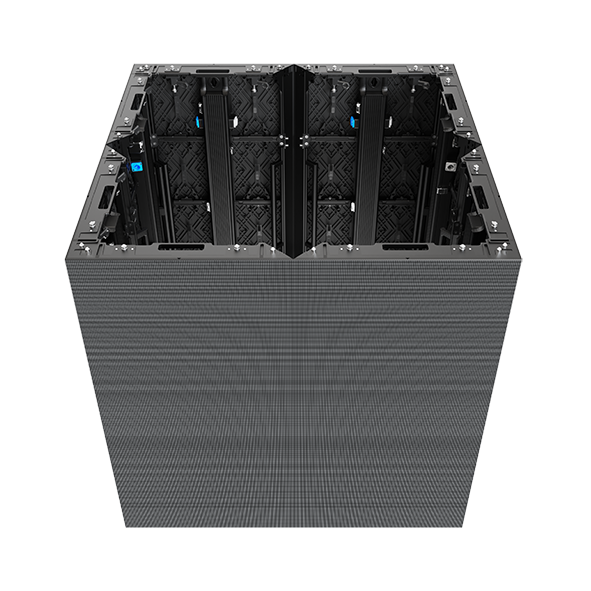
LED billboards require a robust power supply to function efficiently. They also incorporate cooling systems to prevent overheating, ensuring consistent performance even in extreme weather conditions.
Advantages of LED Billboards
LED billboards offer numerous advantages over traditional advertising methods. Here are some key benefits:
Vibrant Visuals
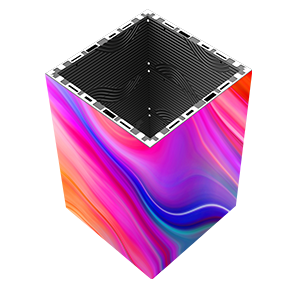
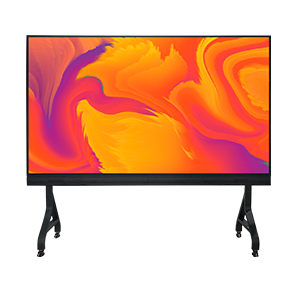
The most apparent advantage of LED billboards is their ability to display vibrant, high-quality images. The brightness and clarity of LED technology capture attention and generate consumer interest effectively. This capability allows brands to create compelling advertisements that stand out in crowded urban environments.
Cost-effectiveness
While the initial investment in LED technology can be considerable, the long-term savings are significant. LED billboards consume less power compared to traditional lighting, leading to reduced electricity bills. Moreover, their durability means lower maintenance and replacement costs.
Environmentally Friendly
LED technology is inherently more environmentally friendly than traditional billboards. They are energy-efficient, produce less waste, and have a longer lifespan, contributing to a reduction in carbon footprint. As businesses become increasingly aware of their environmental responsibilities, opting for LED billboards aligns their marketing strategies with sustainable practices.
The Installation Process of LED Billboards
Installing LED billboards involves several steps, from site selection to the final setup. Here’s an overview of the process:
Site Selection and Permits
Before installation, it’s crucial to select an appropriate site that ensures maximum visibility and complies with local regulations. This often requires securing the necessary permits and adhering to zoning laws.
Structural Considerations
LED billboards require sturdy structures to support their weight and withstand wind loads. Structural engineers must assess the site and design the mounting system accordingly.
Electrical Setup
Proper electrical wiring is essential for the efficient operation of LED billboards. This includes installing power supplies, circuit breakers, and ensuring compliance with safety standards.
Display Installation
Finally, the LED display panels are installed according to the engineered design. Once in place, technicians will test the display to ensure optimal performance.
Maintenance of LED Billboards
Regular maintenance is vital to ensure the longevity and performance of LED billboards. Here are some essential maintenance practices:
Routine Cleaning
Dust, dirt, and grime can accumulate on LED surfaces, affecting visibility. Regular cleaning helps maintain image quality and brightness. Technicians should clean the panels using appropriate, non-abrasive materials.
Software Updates
Keeping the control software up to date is crucial for the efficient functioning of LED billboards. Regular updates can improve security, enhance features, and ensure compatibility with new content formats.
Inspection and Repairs
Periodic inspections are essential to identify and resolve any issues promptly. Addressing burned-out LEDs or electrical malfunctions quickly can prevent more significant problems down the line.
Impact on Consumer Engagement
LED billboards can significantly influence consumer engagement. Here’s how:
Dynamic Content Delivery
Unlike static billboards, LED displays can change content dynamically, allowing brands to tailor their messages to different audiences throughout the day. This flexibility enhances the relevance of advertisements, making them more likely to resonate with viewers.
Enhanced Interaction
With advanced technology, LED billboards can integrate social media feeds, live updates, and interactive elements that encourage consumer participation. This interactivity fosters a deeper connection between brands and their audiences.
Measurable Metrics
Modern LED billboards can incorporate analytics tools, allowing advertisers to track engagement metrics and assess the effectiveness of their campaigns. This data-driven approach enables brands to refine their strategies for maximum impact.
The Future of LED Technology
The future of LED billboards appears promising as technology continues to advance. Here are some trends and predictions:
Higher Resolution Displays
As technology evolves, consumers can expect even higher resolution displays that deliver stunning visuals. This upgrade will enhance viewer experience and draw more attention to advertisements.
Integration with Augmented Reality (AR)
The integration of AR with LED billboards could create immersive experiences for consumers. Imagine walking down a street and interacting with a virtual product showcase displayed on an LED billboard.
Sustainability Innovations
Future LED billboards are likely to incorporate more sustainable materials and energy sources, further reducing their environmental impact and aligning with global sustainability goals.
Conclusion
LED billboards represent a significant leap in advertising technology, offering vibrant displays, cost-effectiveness, and environmental benefits. Their dynamic nature enhances consumer engagement, making them an attractive option for brands seeking to capture attention in today’s competitive market. As technology continues to evolve, the future of LED billboards looks bright, promising further innovations that will shape the advertising landscape for years to come.
FAQs
1. What are the average costs associated with installing an LED billboard?
The costs can vary significantly based on size, resolution, and location. On average, installation costs can range from $10,000 to over $100,000.
2. How long do LED billboards typically last?
With proper maintenance, LED billboards can last anywhere from 7 to 10 years, making them a durable investment.
3. Can LED billboards be seen in bright sunlight?
Yes, LED billboards are designed to be visible even in bright sunlight, thanks to their high brightness levels.
4. Are LED billboards energy-efficient?
Yes, LED technology is much more energy-efficient than traditional lighting systems, leading to lower electricity costs.
5. Can I update the content on my LED billboard remotely?
Yes, most LED billboards come with a control system that allows remote content updates, providing flexibility in advertising strategies.
Hot Tags:
Contact Us
Related Posts
The Impact of LED Advertising Signs on Consumer Engagement

Address:
Building D,Hongfa Technology Industrial Park, shiyan Town,baoan District,Shenzhen,China.


Message