




Comprehensive Guide to 3D Outdoor Advertising Screens: Technology, Applications, and Marketing Advantages for Modern Urban Spaces
Jan 12,2026
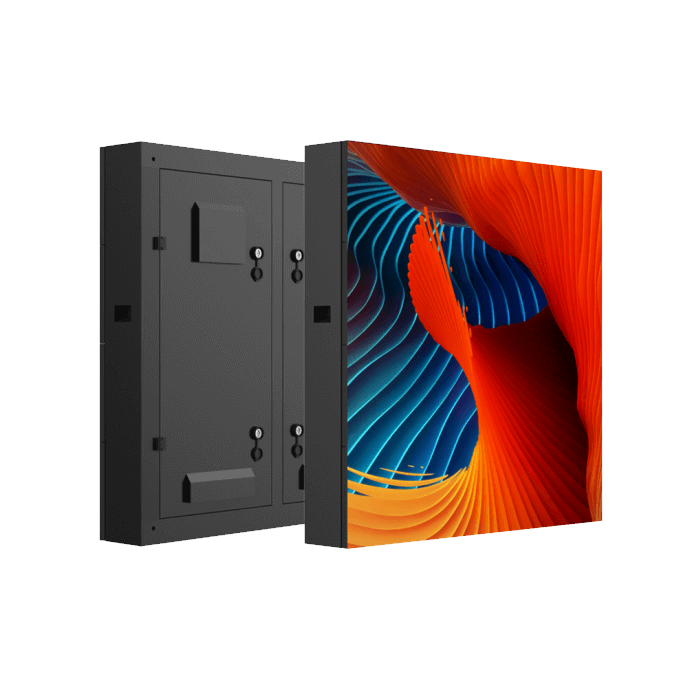
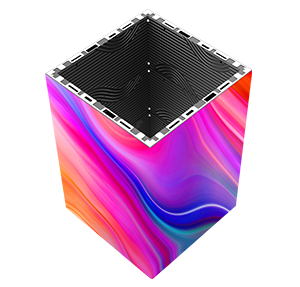
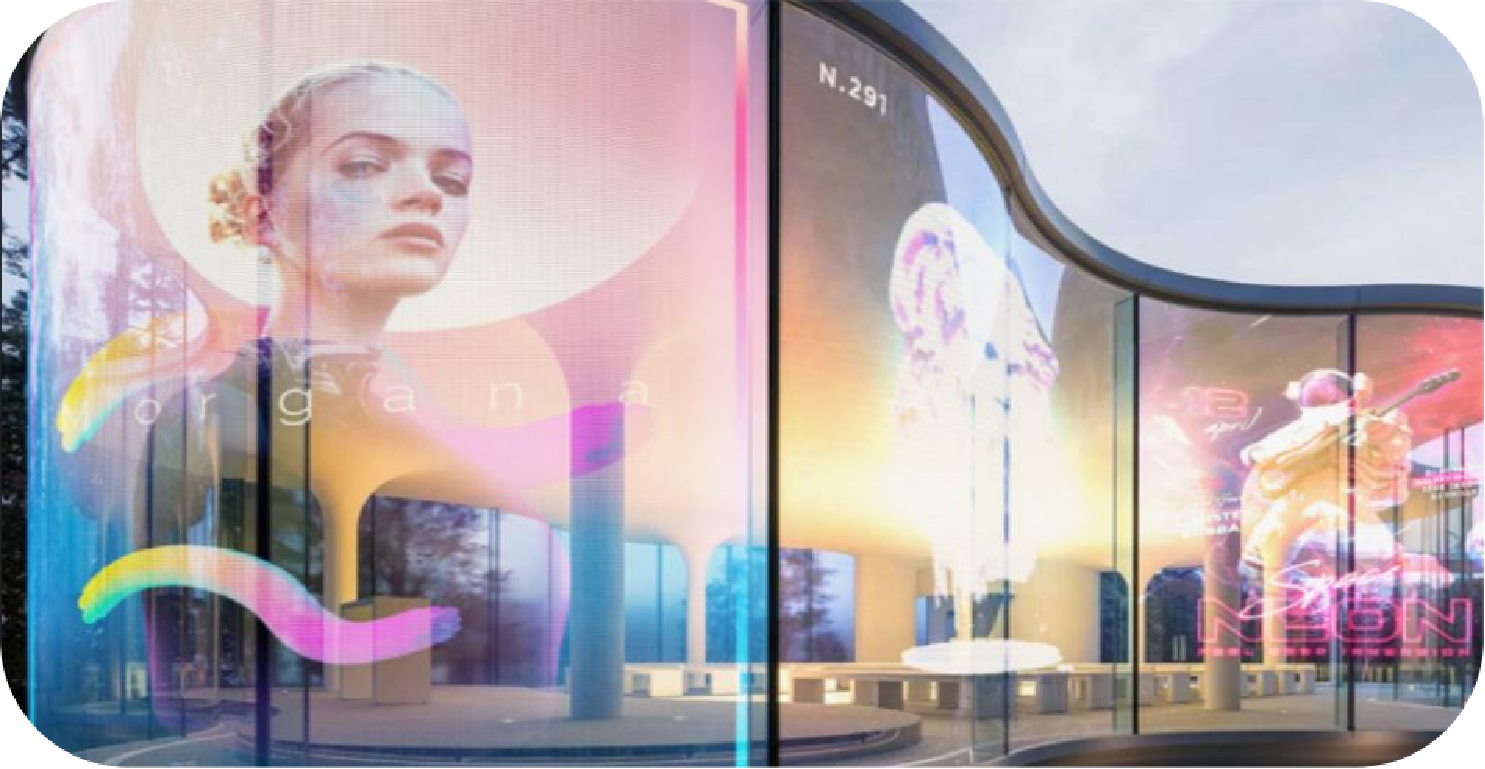
A 3D outdoor advertising screen is an advanced type of digital display designed to create three-dimensional visual effects that appear to extend beyond the physical screen, providing an immersive and eye-catching advertising experience. Unlike traditional two-dimensional screens, 3D outdoor screens can display content that seems to have depth and motion, attracting more attention and engagement from viewers. These screens have become increasingly popular in urban environments, shopping districts, entertainment zones, transportation hubs, and event venues where high foot traffic and visibility are crucial. By combining cutting-edge display technology, creative content, and strategic placement, 3D outdoor advertising screens have transformed how brands communicate with their audiences.
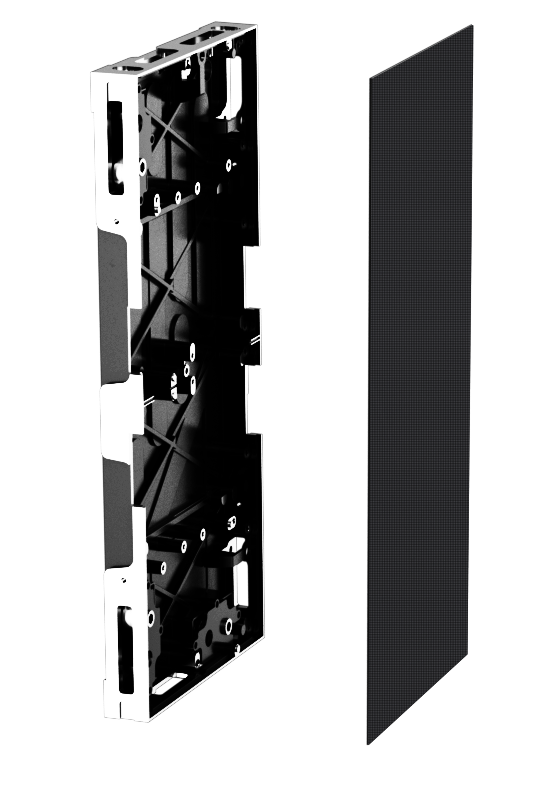
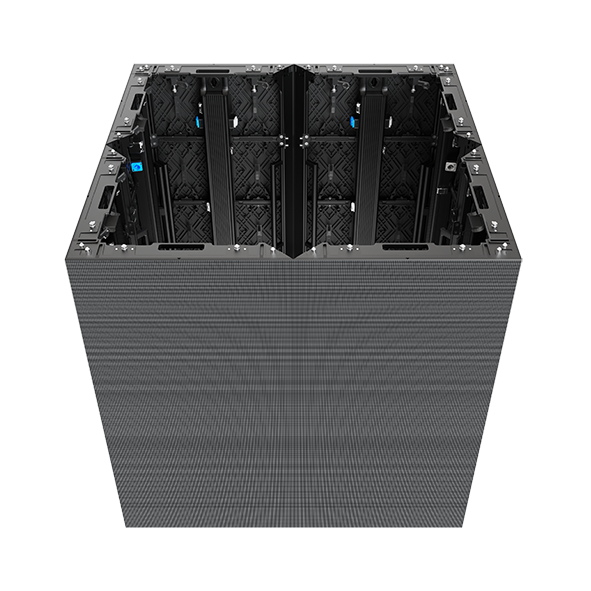
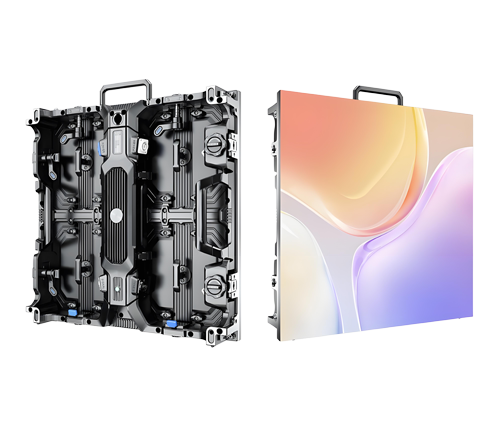
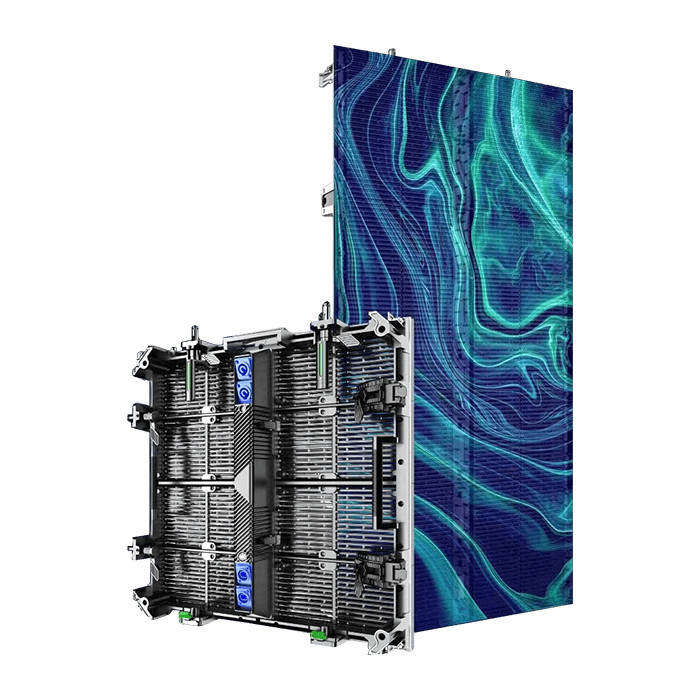
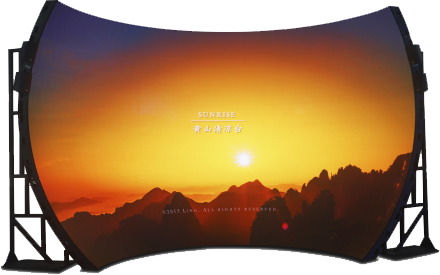
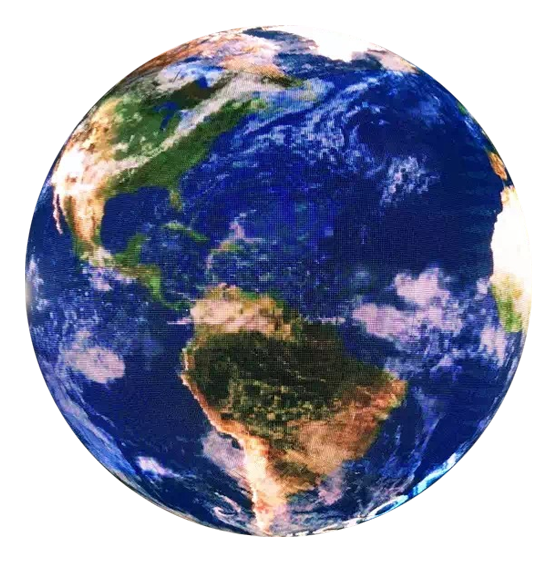
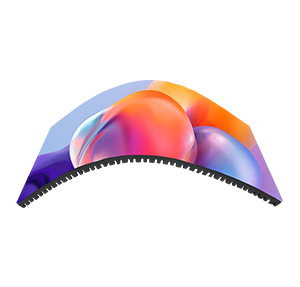
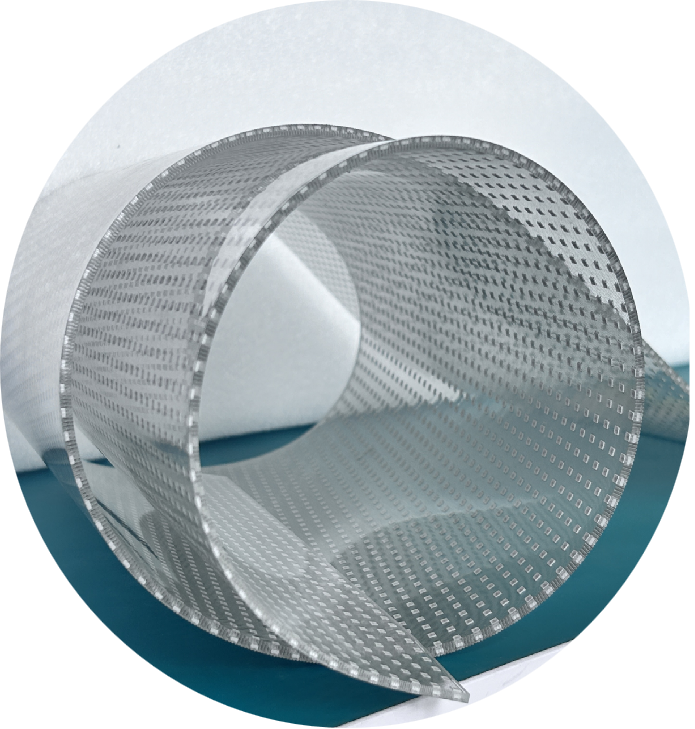
The technology behind 3D outdoor screens typically involves advanced LED panels, projection systems, or holographic techniques that simulate depth perception. LED-based 3D screens use specially designed pixel arrangements and optical enhancements to create a sense of dimensionality, allowing images and videos to appear as though they are floating in space. Projection-based systems employ carefully calculated angles, light intensity, and shadows to achieve realistic three-dimensional effects on large outdoor surfaces. Holographic 3D displays use layered light projection and optical refraction to create fully immersive visuals without requiring special glasses, making them particularly suitable for public installations where accessibility is a priority.
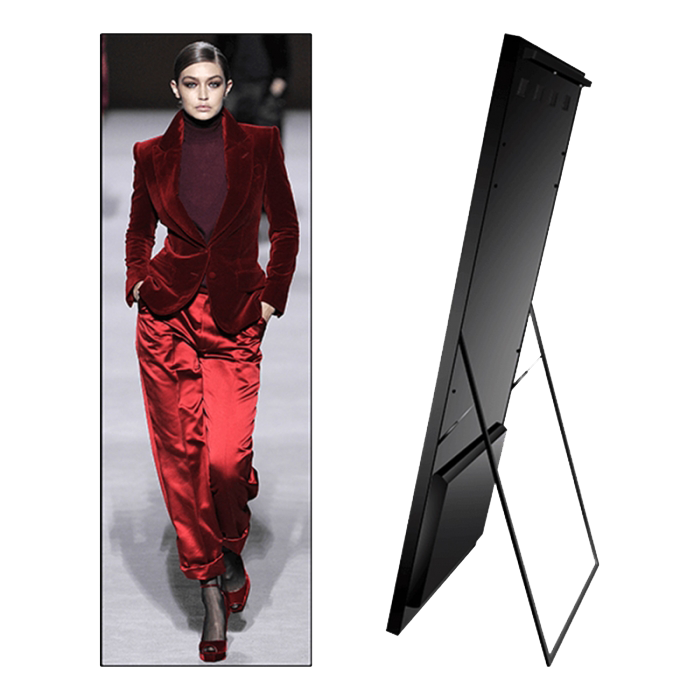
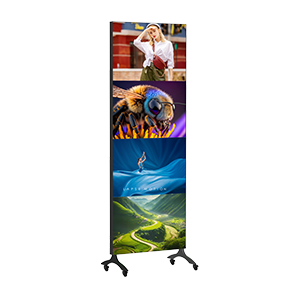
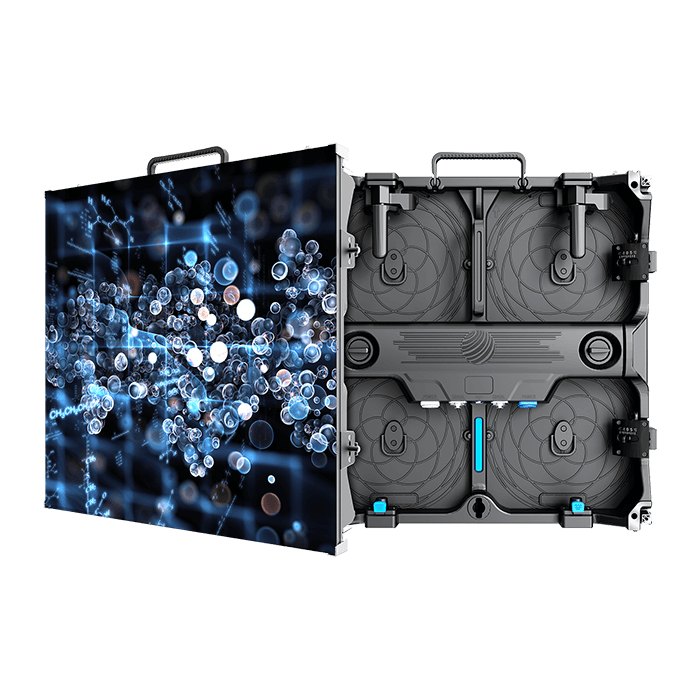
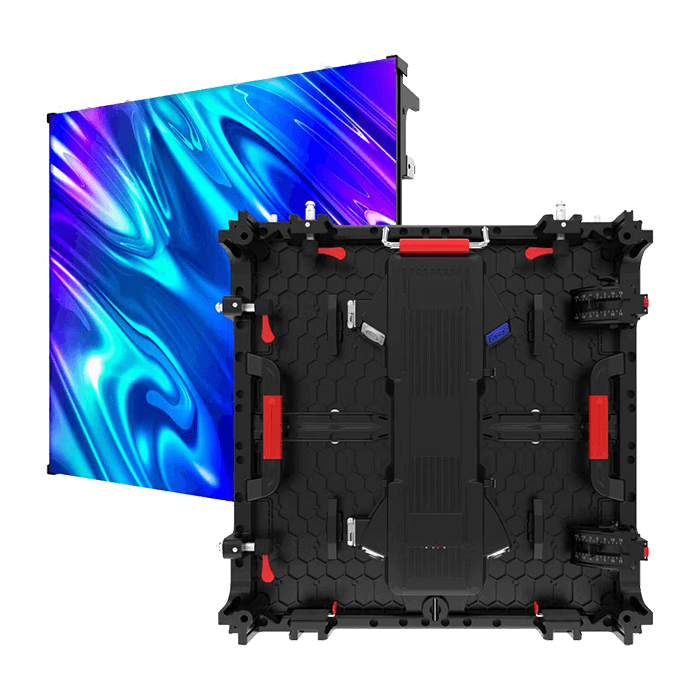
There are several types of 3D outdoor advertising screens, each catering to different marketing objectives, budgets, and locations. Fixed LED 3D screens are commonly mounted on building facades or large urban billboards, offering high brightness and durability for long-term outdoor use. Mobile or modular 3D screens provide flexibility, allowing advertisers to transport and assemble displays for temporary campaigns, exhibitions, or events. Interactive 3D screens integrate sensors, touch capabilities, or motion detection, enabling viewers to engage with the content directly, creating personalized and memorable experiences. Some advanced installations also incorporate augmented reality (AR) or mixed reality (MR) technology, blending digital visuals with real-world environments to further captivate audiences.
The applications of 3D outdoor advertising screens are diverse and growing. Retail brands use them to showcase new products or seasonal promotions in shopping districts, leveraging their immersive visuals to capture consumer attention. Entertainment companies employ 3D screens to promote movies, concerts, or live events, creating anticipation and excitement among viewers. Transportation hubs such as airports, train stations, and bus terminals use 3D screens for dynamic public announcements, advertising campaigns, and passenger engagement. Sports arenas and stadiums incorporate 3D advertising screens to enhance spectator experience and boost sponsor visibility during events. Furthermore, city governments and event organizers use 3D screens for public information campaigns, cultural exhibitions, or tourism promotion, taking advantage of their high visual impact and ability to communicate complex messages quickly.
One of the key benefits of 3D outdoor advertising screens is their ability to significantly increase viewer engagement compared to traditional 2D displays. The sense of depth and motion creates a more immersive experience, making advertisements more memorable and likely to influence consumer behavior. 3D screens also allow brands to showcase creativity and innovation, positioning them as forward-thinking and technologically savvy. Additionally, these screens offer flexibility in content management, enabling real-time updates, scheduled campaigns, and remote control of visuals. Advanced analytics can track audience engagement, viewing times, and interactions, providing valuable data for optimizing marketing strategies and measuring return on investment.
Operational considerations for 3D outdoor advertising screens include content preparation, technical setup, and ongoing maintenance. Content must be designed specifically for 3D visualization, taking into account depth cues, lighting, perspective, and motion to achieve a realistic effect. Installation requires precise calibration, structural support, and protection against environmental factors such as rain, wind, dust, and sunlight. Routine maintenance involves checking LEDs or projectors, cleaning surfaces, monitoring software systems, and ensuring the screen operates safely and efficiently over time. Energy efficiency is another important factor, with modern LED and projection systems designed to minimize power consumption while maintaining high brightness and visual clarity.
The market for 3D outdoor advertising screens is expanding rapidly due to increasing urbanization, technological innovation, and growing demand for high-impact marketing solutions. Businesses across retail, entertainment, tourism, transportation, and events industries are investing in 3D screens to enhance brand visibility, create engaging experiences, and differentiate themselves from competitors. Emerging technologies such as artificial intelligence-driven content management, interactive AR experiences, and integrated social media campaigns further enhance the potential of 3D screens as a versatile and effective advertising medium.
In conclusion, 3D outdoor advertising screens are transforming modern marketing by offering immersive, dynamic, and highly engaging visual experiences. Their ability to create depth, motion, and interactivity makes them far more impactful than traditional 2D displays, capturing attention and influencing consumer behavior effectively. By combining advanced technology, strategic placement, and creative content, brands can maximize the benefits of 3D outdoor advertising screens, improve audience engagement, and achieve measurable marketing results. As urban spaces become increasingly competitive and visually complex, 3D outdoor advertising screens will remain a crucial tool for innovative, high-impact, and data-driven marketing strategies.
Hot Tags:
Contact Us
Related Posts
LED Poster Displays vs. Traditional Signage: Which Is Right for You?
Customize LED Advertising Sign Factory: Flexible Solutions for Modern Businesses

Address:
Building D,Hongfa Technology Industrial Park, shiyan Town,baoan District,Shenzhen,China.


Message