








Comprehensive Guide to Outdoor Advertising Screens: Technology, Applications, and Benefits for Modern Marketing Strategies
Jan 12,2026
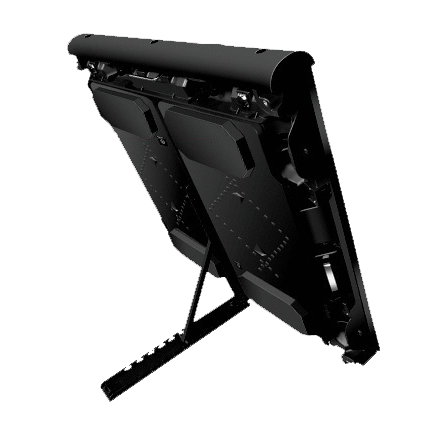
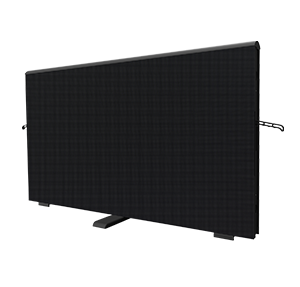
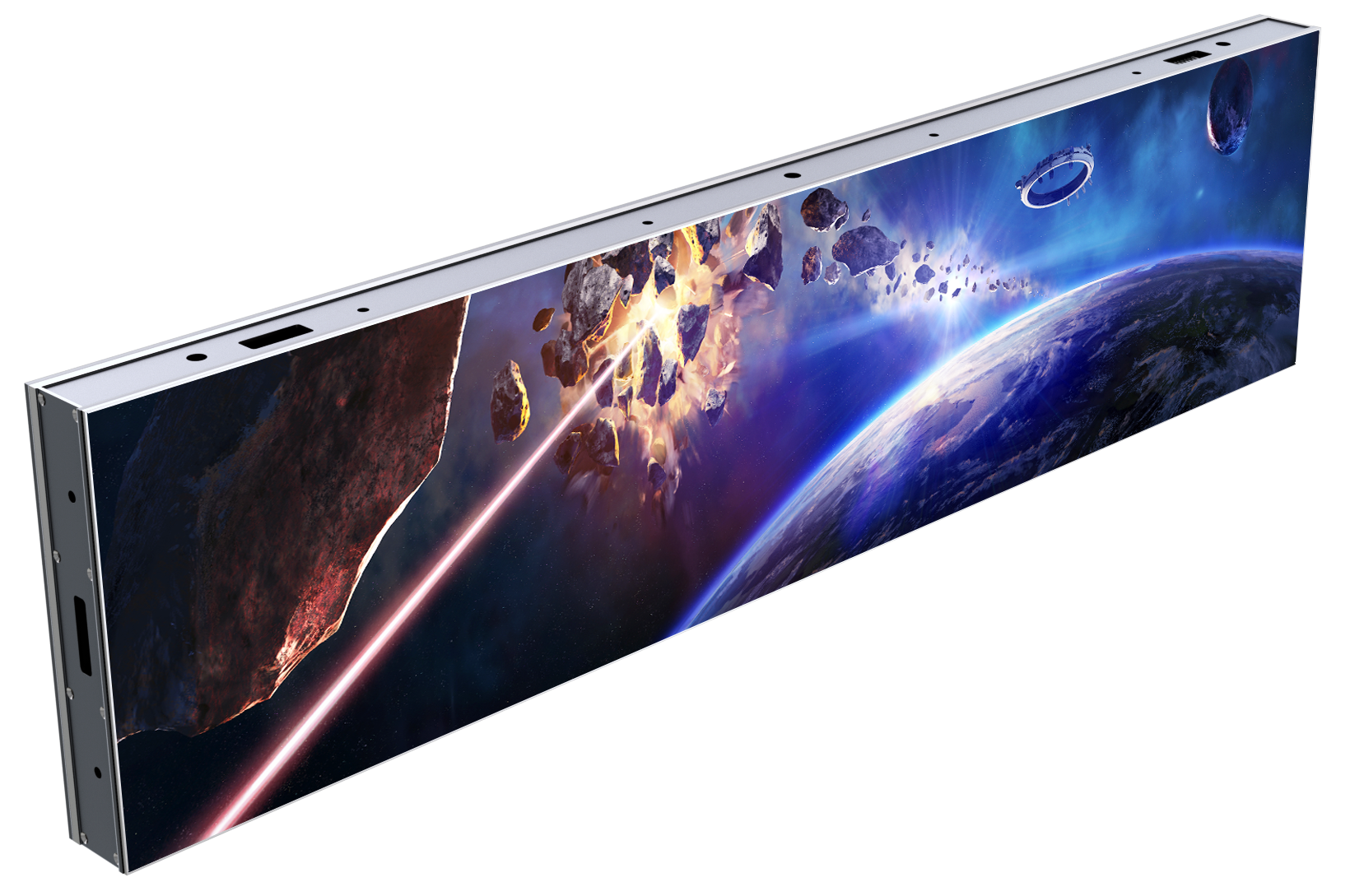
Outdoor advertising screens are advanced digital displays designed for public spaces, used to present advertisements, promotional content, and multimedia messages to a broad audience. These screens have become a crucial component of modern marketing strategies due to their ability to capture attention, deliver dynamic content, and reach large groups of people in high-traffic areas. Unlike traditional static billboards, outdoor advertising screens can display videos, animations, real-time data, and interactive content, creating a more engaging experience for viewers.
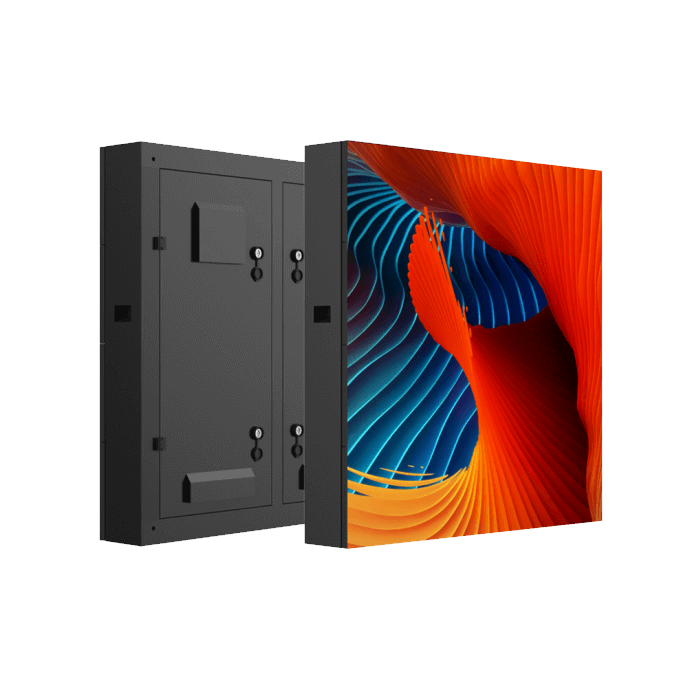
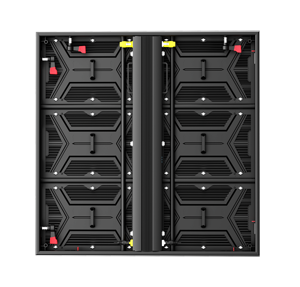
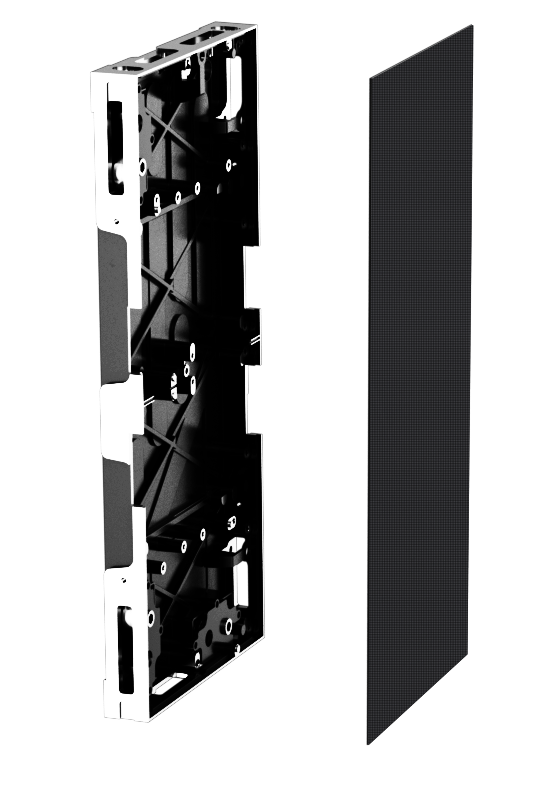
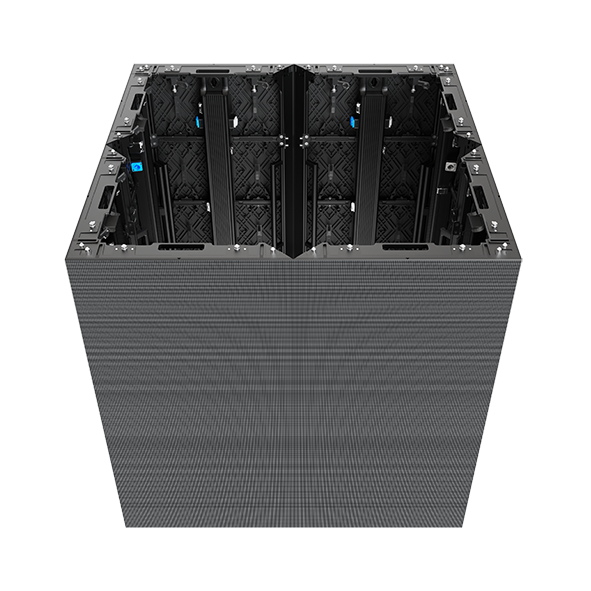
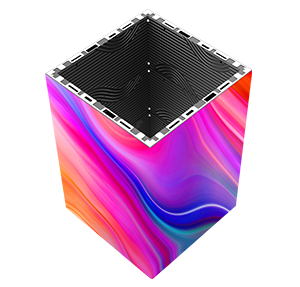
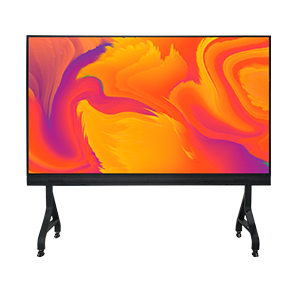
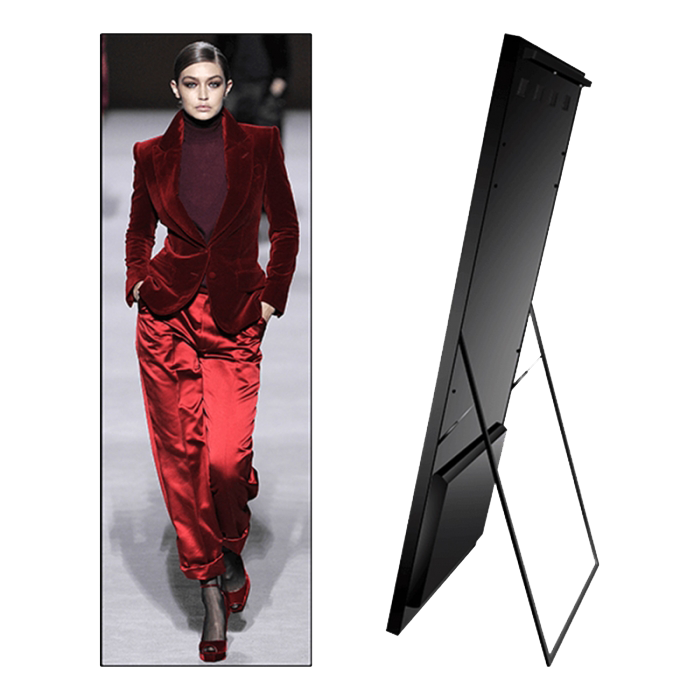
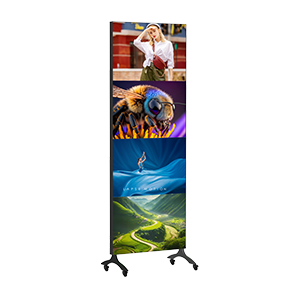
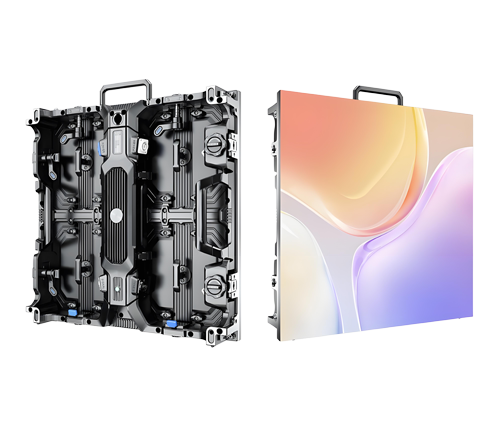
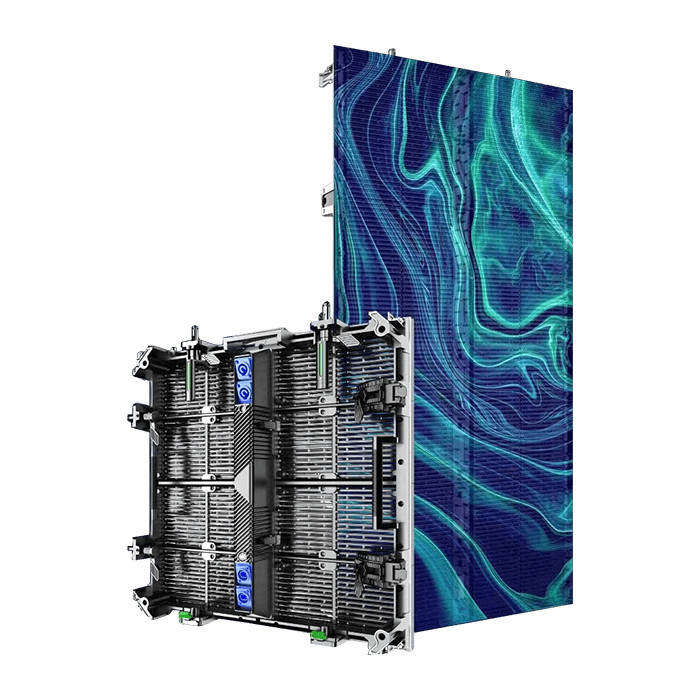
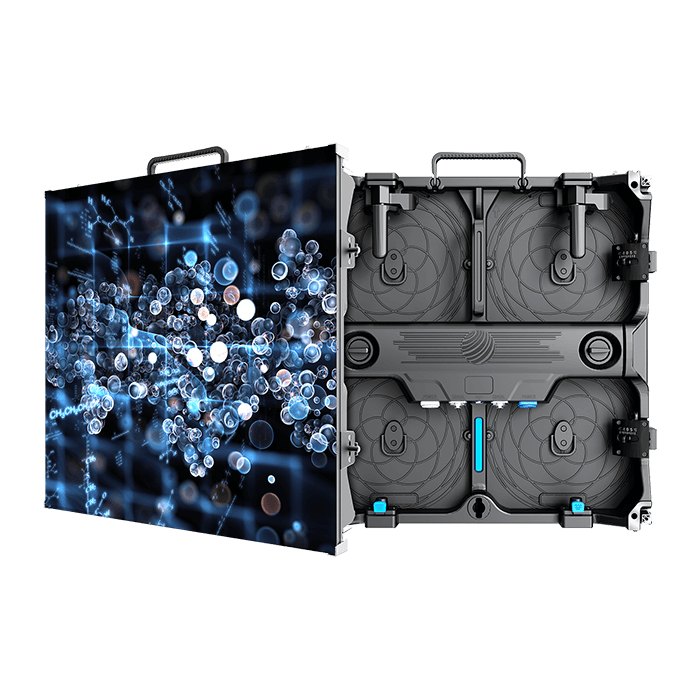
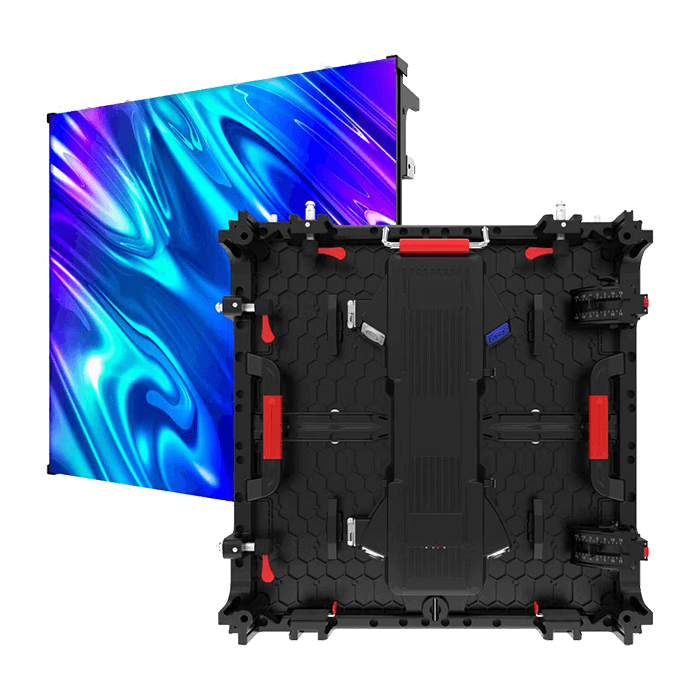
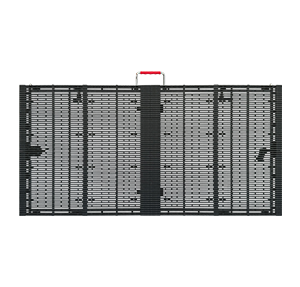
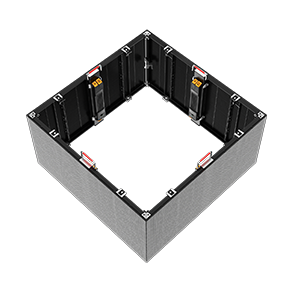
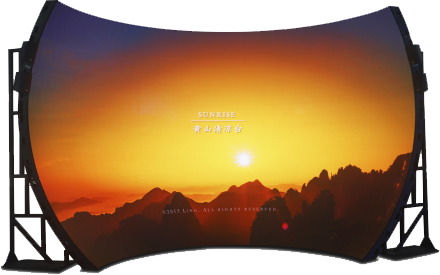
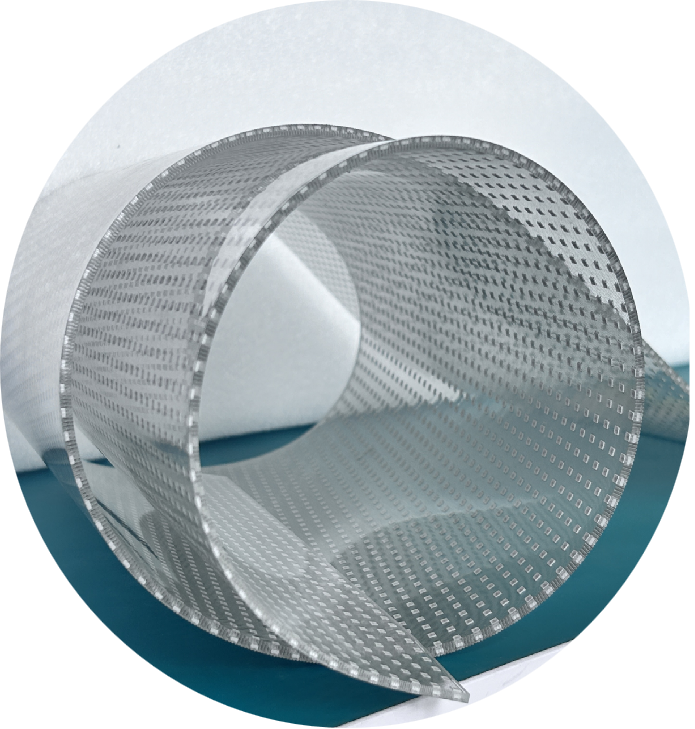
There are various types of outdoor advertising screens, each suited to different locations, purposes, and technical requirements. LED (Light Emitting Diode) screens are the most common type due to their brightness, energy efficiency, and durability in outdoor conditions. LED screens can be configured as single panels, modular walls, or large-scale video walls, providing flexibility in size and shape. LCD (Liquid Crystal Display) screens are often used in semi-outdoor or sheltered environments where high brightness is less critical, offering high-definition image quality and detailed visuals. OLED (Organic Light Emitting Diode) screens are emerging as a premium option with superior contrast, color accuracy, and wide viewing angles, suitable for high-end advertising campaigns and modern urban displays.
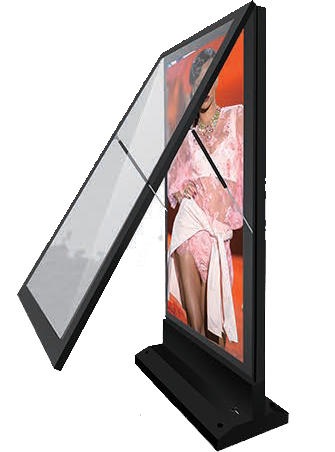
Outdoor advertising screens are installed in a variety of public and commercial locations, each chosen to maximize visibility and audience engagement. Common placement areas include highways, city streets, shopping malls, transportation hubs, stadiums, and event venues. The strategic placement of these screens ensures that brands reach their target audience effectively, whether commuters, shoppers, sports fans, or pedestrians. Additionally, outdoor advertising screens can be integrated with sensors, cameras, and interactive technologies to create personalized experiences, collect data, and provide real-time information such as news, weather, or traffic updates, further increasing their utility and appeal.
The technological features of outdoor advertising screens significantly enhance their performance and usability. High-brightness panels ensure visibility even under direct sunlight, while weatherproof and ruggedized enclosures protect the screens from rain, dust, and extreme temperatures. Advanced control systems allow advertisers to update content remotely, schedule campaigns, and monitor performance metrics in real time. Some screens are equipped with motion sensors or touch capabilities, enabling interactive advertisements that respond to viewer engagement. Energy efficiency is also a key consideration, with modern LED screens consuming less power while providing brighter and more vibrant displays.
Outdoor advertising screens offer numerous advantages over traditional advertising methods. They are more visually striking, able to display motion, color, and interactive content that attracts and retains audience attention. Their dynamic nature allows advertisers to run multiple campaigns on a single screen, rotating content based on time, location, or audience demographics. This flexibility reduces production costs associated with printing and installing traditional billboards while allowing rapid response to market trends or promotional opportunities. Additionally, the ability to collect audience engagement data enables brands to optimize campaigns, measure effectiveness, and improve return on investment.
The market for outdoor advertising screens continues to grow rapidly due to increasing urbanization, digital transformation, and the rising demand for high-impact marketing solutions. Businesses across various industries, including retail, entertainment, transportation, and hospitality, are increasingly adopting these screens to enhance brand visibility, attract customers, and communicate effectively in crowded urban environments. The integration of emerging technologies such as AI-driven content management, augmented reality, and interactive touchscreens further expands the capabilities of outdoor advertising screens, making them a versatile and future-proof solution for modern marketing.
In conclusion, outdoor advertising screens are a vital tool for contemporary marketing, combining technology, visibility, and interactivity to deliver impactful advertising experiences. Their ability to display dynamic, engaging, and contextually relevant content makes them far more effective than static billboards in capturing audience attention and influencing consumer behavior. By leveraging advanced display technologies, strategic placement, and real-time content management, advertisers can maximize the benefits of outdoor advertising screens, enhance brand recognition, and achieve measurable results. As digital and interactive marketing continues to evolve, outdoor advertising screens will remain a central element in innovative, data-driven, and high-impact advertising strategies.
Hot Tags:
Contact Us
Related Posts
LED Poster Displays vs. Traditional Signage: Which Is Right for You?
Customize LED Advertising Sign Factory: Flexible Solutions for Modern Businesses

Address:
Building D,Hongfa Technology Industrial Park, shiyan Town,baoan District,Shenzhen,China.


Message