








The Science Behind LED Poster Displays: Why Brightness Matters
Jun 29,2026
The Science Behind LED Poster Displays: Why Brightness Matters
Table of Contents
1. Introduction to LED Poster Displays
2. Understanding Brightness in LED Displays
3. The Importance of Brightness in Advertising
3.1 Visibility and Clarity
3.2 Audience Engagement
3.3 Environmental Factors
4. Technological Advancements in LED Brightness
5. Measuring Brightnes
The Science Behind LED Poster Displays: Why Brightness Matters
Table of Contents
- 1. Introduction to LED Poster Displays
- 2. Understanding Brightness in LED Displays
- 3. The Importance of Brightness in Advertising
- 4. Technological Advancements in LED Brightness
- 5. Measuring Brightness: Methods and Standards
- 6. Choosing the Right Brightness for Your Needs
- 7. Case Studies: Brightness in Action
- 8. Frequently Asked Questions
- 9. Conclusion
1. Introduction to LED Poster Displays
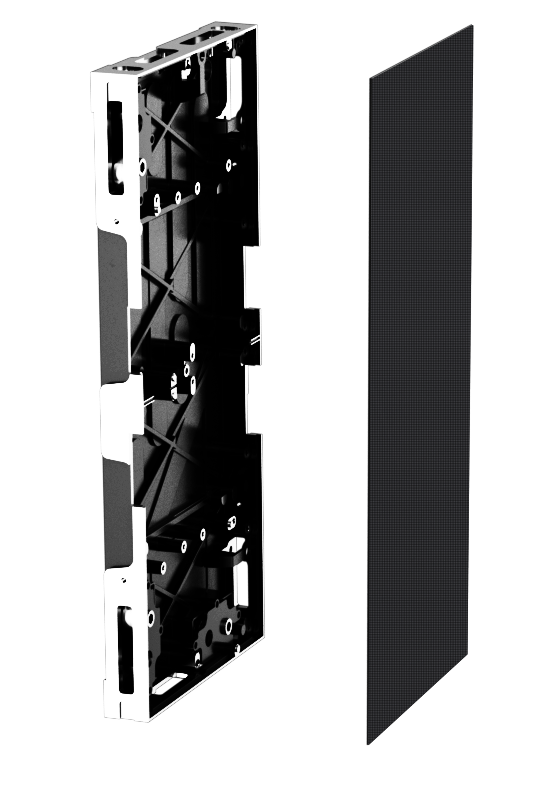
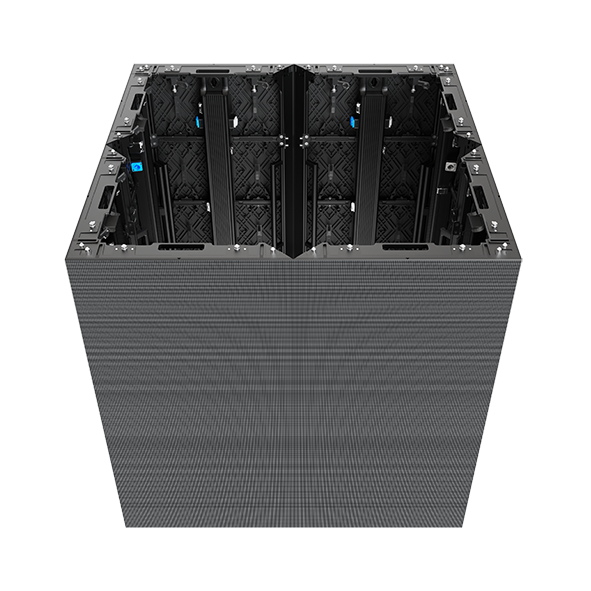
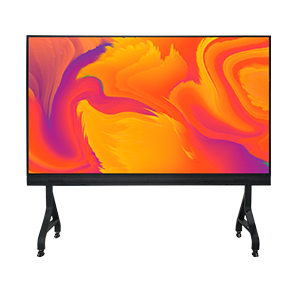
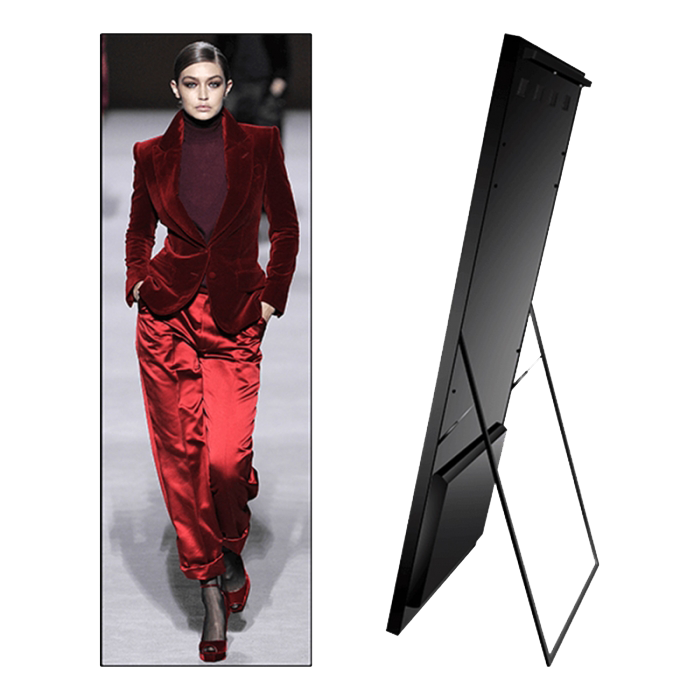
LED poster displays have revolutionized the way businesses communicate their messages visually. These dynamic displays are not only versatile but also highly effective for advertising purposes. As we delve into the science behind LED poster displays, it becomes evident that brightness plays a pivotal role in their effectiveness. Understanding how brightness impacts visibility, engagement, and the overall performance of these displays is essential for anyone looking to enhance their advertising strategy.
2. Understanding Brightness in LED Displays
Brightness in LED displays is measured in nits (cd/m²), which indicates how much light the display emits per square meter. A higher nit value signifies a brighter display, which can directly influence the viewer's perception and interaction with the content. LED displays typically range from 100 nits for indoor use to well over 1000 nits for outdoor settings. By grasping the fundamentals of brightness, businesses can make informed decisions regarding their display setups.
3. The Importance of Brightness in Advertising
3.1 Visibility and Clarity
One of the primary reasons brightness matters in LED poster displays is visibility. A display with inadequate brightness may become washed out in bright environments, rendering it nearly unreadable. Conversely, a sufficiently bright display ensures that content is clear and legible from various distances and angles. This clarity is essential in bustling environments where potential customers are bombarded with competing messages.
3.2 Audience Engagement
Brightness not only aids visibility but also significantly impacts audience engagement. A bright display captures attention and draws viewers in. Research shows that brighter displays can increase foot traffic and customer interaction, ultimately leading to higher conversion rates. By selecting an LED display with optimal brightness, businesses can create immersive experiences that resonate with their audience.
3.3 Environmental Factors
Environmental factors play a crucial role in determining the necessary brightness for LED displays. Outdoor displays must contend with sunlight, while indoor displays might be affected by ambient lighting. Businesses should consider these factors when selecting their displays to ensure that brightness levels are appropriate for the intended setting. The right brightness can make the difference between a display that excels and one that fails to capture attention.
4. Technological Advancements in LED Brightness
The landscape of LED technology is ever-evolving, with advancements continually improving brightness and display performance. Innovations such as HDR (High Dynamic Range) have enhanced the ability of displays to produce brighter colors and deeper contrasts, creating a more vibrant viewing experience. Additionally, advancements in LED chip technology have resulted in more energy-efficient displays that maintain high brightness levels without excessive power consumption.
5. Measuring Brightness: Methods and Standards
To ensure that LED displays meet the required brightness standards, several measurement methods are employed. The most common method is using a photometer to gauge luminance, typically expressed in nits. It is essential for businesses to understand these measurements to choose the right display for their needs effectively. Additionally, awareness of industry standards, such as those set by the International Telecommunication Union (ITU), can guide decisions regarding display brightness.
6. Choosing the Right Brightness for Your Needs
When selecting an LED display, businesses must carefully assess their specific needs to determine the appropriate brightness. Factors such as the intended location, ambient lighting conditions, and the target audience must all be considered. For example, an outdoor display aimed at attracting passersby may require a brightness level of 5000 nits or more, while an indoor display might function effectively at 300 nits. Understanding these requirements can lead to more strategic investments in display technology.
7. Case Studies: Brightness in Action
Examining real-world examples can provide insight into the importance of brightness in LED poster displays.
- **Case Study 1: Retail Environment**
A prominent fashion retailer installed an outdoor LED display with 6000 nits brightness. This display not only grabbed attention during the day but also showcased vibrant colors of their clothing line, resulting in a 30% increase in foot traffic.
- **Case Study 2: Sports Events**
At a high-profile sporting event, organizers utilized an LED display with 8000 nits brightness. Spectators could easily read scores and advertisements even in bright sunlight, enhancing their overall experience and engagement with the event.
These examples underscore the impact of brightness on the effectiveness of LED displays across various industries.
8. Frequently Asked Questions
1. What is the ideal brightness for indoor LED displays?
The ideal brightness for indoor LED displays typically ranges from 200 to 500 nits. This level ensures clarity without overwhelming viewers in a controlled lighting environment.
2. How do I determine the right brightness for outdoor displays?
For outdoor displays, brightness levels should generally be between 5000 to 10000 nits, depending on the location and ambient lighting conditions.
3. Can I adjust the brightness of my LED display?
Yes, many modern LED displays come with adjustable brightness settings, allowing users to tailor brightness levels based on environmental conditions.
4. How does brightness affect energy consumption in LED displays?
Higher brightness levels can lead to increased energy consumption; however, advancements in LED technology have made it possible to achieve high brightness with lower energy use.
5. What are the limitations of brightness in LED displays?
While higher brightness can enhance visibility, it may lead to issues such as eye strain if not managed correctly. Additionally, overly bright displays in dark environments can create glare, detracting from viewer experience.
9. Conclusion
Understanding the science behind LED poster displays and the significance of brightness is essential for businesses looking to capitalize on effective advertising strategies. Brightness not only enhances visibility and engagement but also adapts to environmental factors, ensuring that your message reaches its intended audience. By investing in the right brightness levels and staying informed about technological advancements, businesses can create compelling displays that stand out in any setting. As the landscape of LED technology continues to evolve, embracing these insights will position businesses for success in a visually-driven marketplace.
Hot Tags:
Contact Us
Related Posts
LED Poster Displays vs. Traditional Signage: Which Is Right for You?
LED Poster Displays vs. Traditional Signage: Which Is Right for You?
Introduction to Signage Solutions
In today's fast-paced digital world, businesses continually seek innovative ways to attract customers and communicate messages efficiently. Two prominent options in the realm of advertising are **LED poster displays** and **traditional signage**. Both serve the essential function of delivering in
Customize LED Advertising Sign Factory: Flexible Solutions for Modern Businesses
Customize LED Advertising Sign factory offering bright, durable signage with flexible designs, OEM service, and custom solutions.

Address:
Building D,Hongfa Technology Industrial Park, shiyan Town,baoan District,Shenzhen,China.


Message