






The Evolution and Advantages of LED Billboards in Modern Advertising
Jul 02,2026
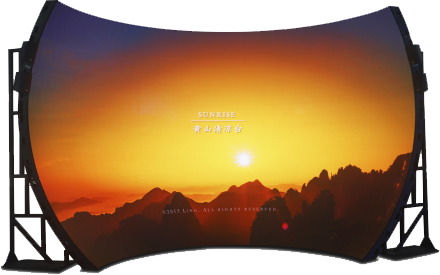
LED billboards represent a significant innovation in advertising technology, revolutionizing the way businesses communicate with consumers. Unlike traditional billboards, which rely on static images or paper posters, LED billboards use light-emitting diodes to display vibrant and dynamic content. This technology not only enhances visual appeal but also allows for real-time content updates, making
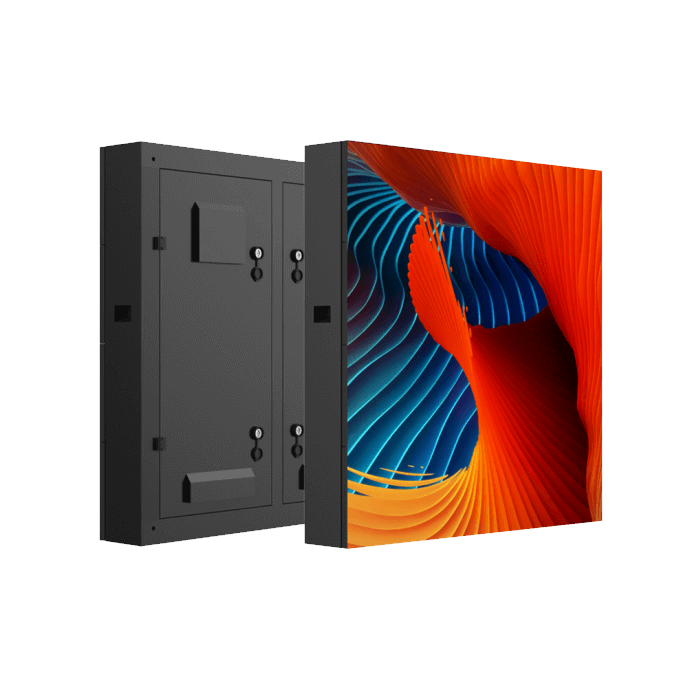
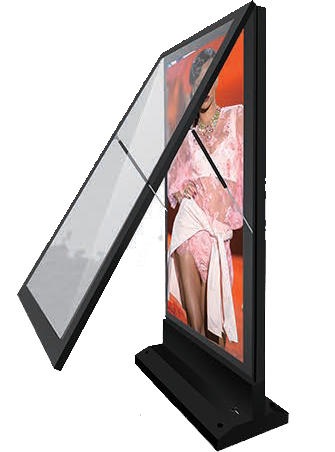
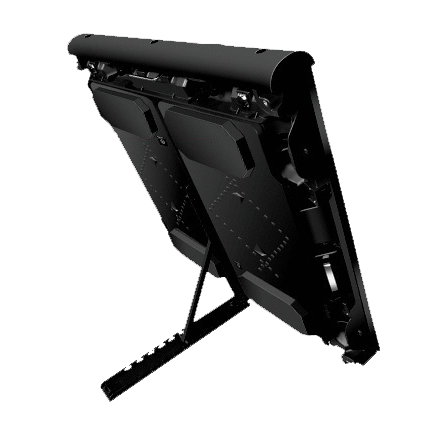
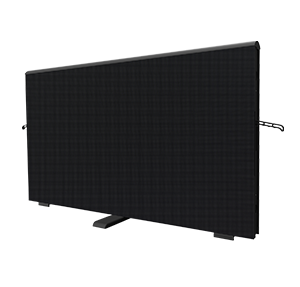
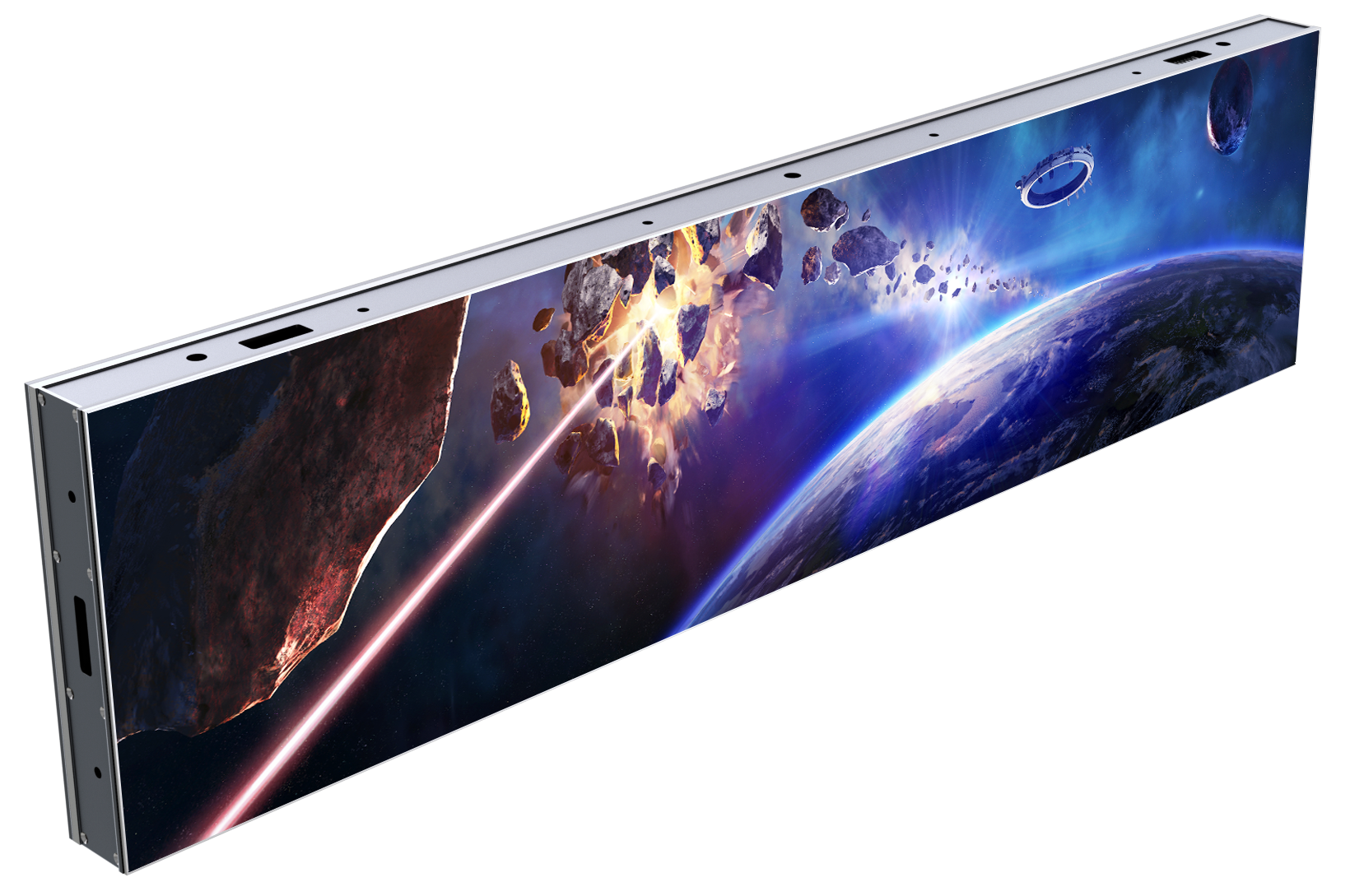
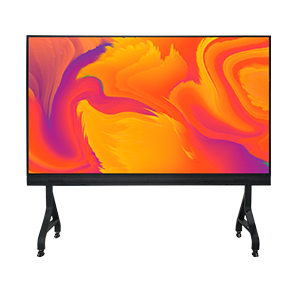
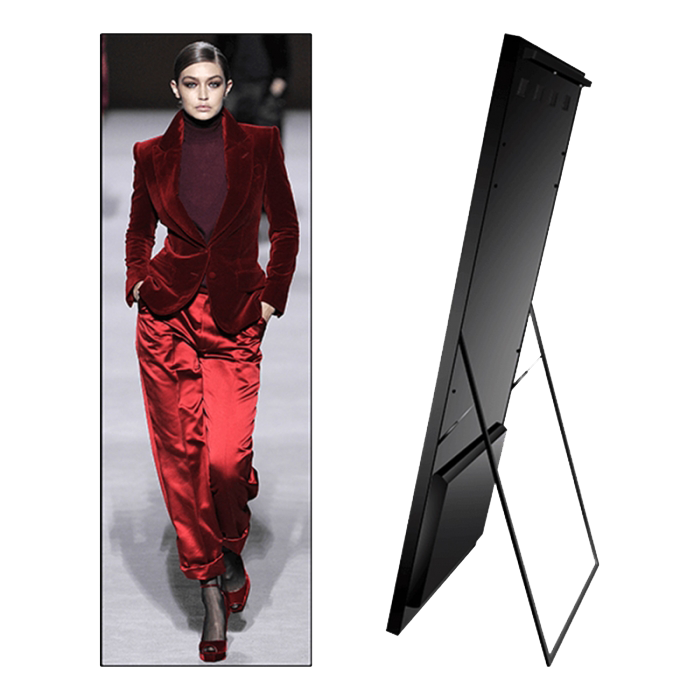
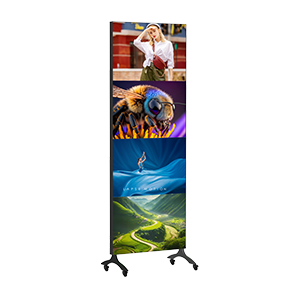
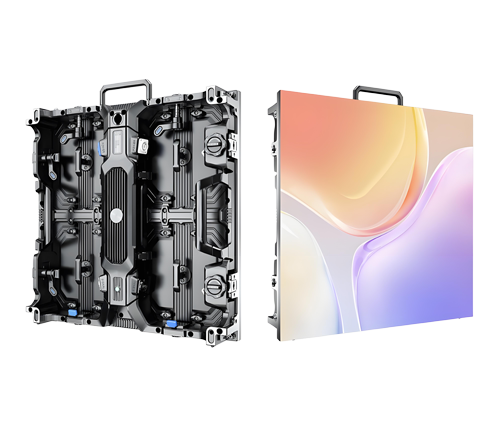
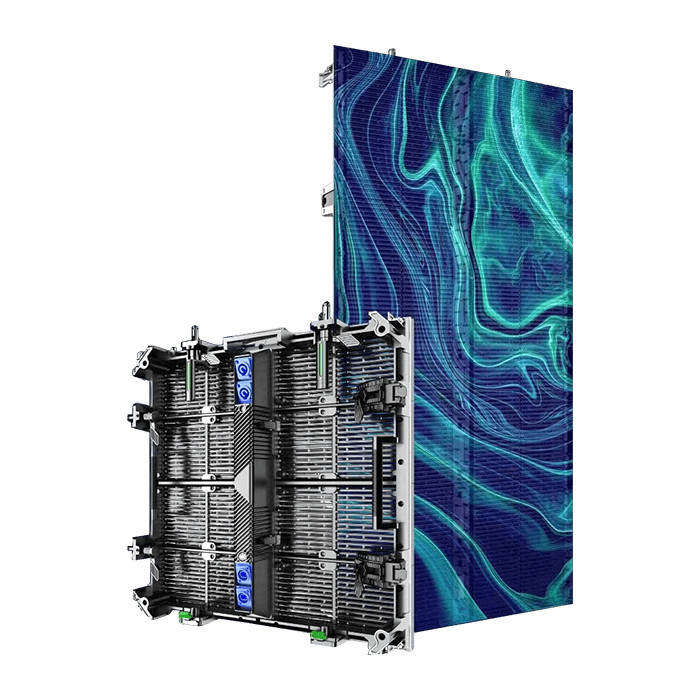
LED billboards represent a significant innovation in advertising technology, revolutionizing the way businesses communicate with consumers. Unlike traditional billboards, which rely on static images or paper posters, LED billboards use light-emitting diodes to display vibrant and dynamic content. This technology not only enhances visual appeal but also allows for real-time content updates, making them an effective advertising tool in today's fast-paced market.
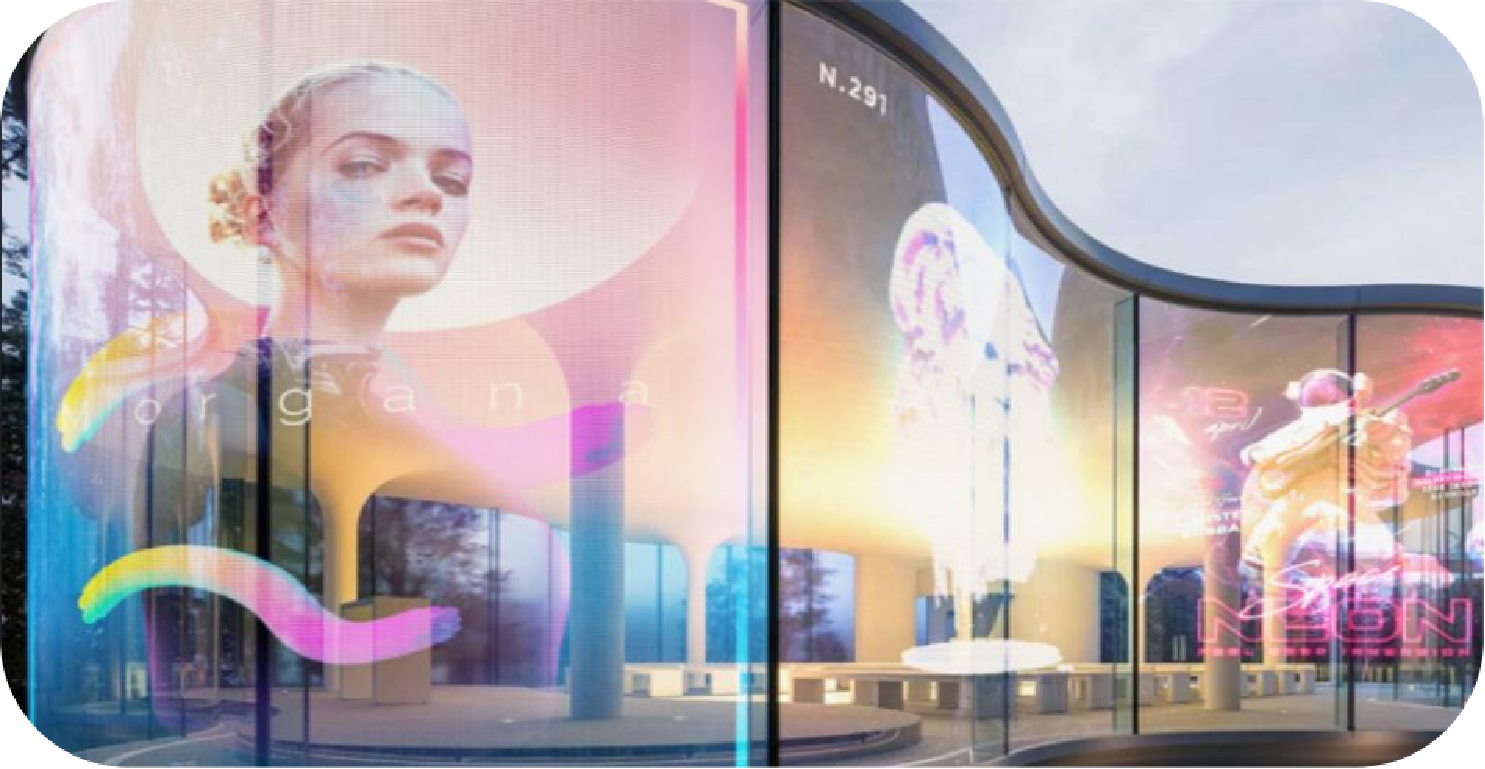
One of the key advantages of LED billboards is their ability to capture attention. The bright and colorful displays are designed to stand out, even in bustling urban environments. This high visibility is crucial for businesses looking to make an impression on potential customers. Whether it’s a promotional event, a new product launch, or a seasonal sale, LED billboards can adapt to the messaging needs of advertisers, ensuring that the content resonates with the target audience.
Furthermore, LED billboards are known for their energy efficiency compared to traditional advertising methods. The technology uses significantly less power while delivering a brighter and clearer image. This not only reduces operational costs for businesses but also aligns with the growing emphasis on sustainability and eco-friendliness in advertising practices. By utilizing LED technology, companies can contribute to a reduction in carbon footprints while still maintaining high visibility.
Another important aspect of LED billboards is the flexibility they offer. Advertisers can easily change the displayed content through software, allowing for rapid updates to messaging as needed. This feature is particularly beneficial for businesses that want to promote time-sensitive offers or campaigns. With the ability to program multiple ads throughout the day, LED billboards can maximize exposure and engagement.
Moreover, the interactivity potential of LED billboards cannot be overlooked. Many modern billboards incorporate features that allow for audience interaction, such as QR codes or social media integration. This can enhance consumer engagement and encourage users to interact with the brand in real-time, creating a more immersive advertising experience.
In summary, LED billboards are an integral part of contemporary marketing strategies. Their ability to deliver eye-catching visuals, energy efficiency, flexibility in content management, and opportunities for interactivity make them a preferred choice for businesses aiming to maximize their advertising impact. As technology continues to evolve, it is likely that we will see even more innovative applications of LED displays in the advertising landscape, further solidifying their role as a cornerstone of modern consumer engagement.
One of the key advantages of LED billboards is their ability to capture attention. The bright and colorful displays are designed to stand out, even in bustling urban environments. This high visibility is crucial for businesses looking to make an impression on potential customers. Whether it’s a promotional event, a new product launch, or a seasonal sale, LED billboards can adapt to the messaging needs of advertisers, ensuring that the content resonates with the target audience.
Furthermore, LED billboards are known for their energy efficiency compared to traditional advertising methods. The technology uses significantly less power while delivering a brighter and clearer image. This not only reduces operational costs for businesses but also aligns with the growing emphasis on sustainability and eco-friendliness in advertising practices. By utilizing LED technology, companies can contribute to a reduction in carbon footprints while still maintaining high visibility.
Another important aspect of LED billboards is the flexibility they offer. Advertisers can easily change the displayed content through software, allowing for rapid updates to messaging as needed. This feature is particularly beneficial for businesses that want to promote time-sensitive offers or campaigns. With the ability to program multiple ads throughout the day, LED billboards can maximize exposure and engagement.
Moreover, the interactivity potential of LED billboards cannot be overlooked. Many modern billboards incorporate features that allow for audience interaction, such as QR codes or social media integration. This can enhance consumer engagement and encourage users to interact with the brand in real-time, creating a more immersive advertising experience.
In summary, LED billboards are an integral part of contemporary marketing strategies. Their ability to deliver eye-catching visuals, energy efficiency, flexibility in content management, and opportunities for interactivity make them a preferred choice for businesses aiming to maximize their advertising impact. As technology continues to evolve, it is likely that we will see even more innovative applications of LED displays in the advertising landscape, further solidifying their role as a cornerstone of modern consumer engagement.
Hot Tags:
Contact Us
Related Posts
LED Poster Displays vs. Traditional Signage: Which Is Right for You?
LED Poster Displays vs. Traditional Signage: Which Is Right for You?
Introduction to Signage Solutions
In today's fast-paced digital world, businesses continually seek innovative ways to attract customers and communicate messages efficiently. Two prominent options in the realm of advertising are **LED poster displays** and **traditional signage**. Both serve the essential function of delivering in
Customize LED Advertising Sign Factory: Flexible Solutions for Modern Businesses
Customize LED Advertising Sign factory offering bright, durable signage with flexible designs, OEM service, and custom solutions.

Address:
Building D,Hongfa Technology Industrial Park, shiyan Town,baoan District,Shenzhen,China.


Message